-
The Climate Footprint of Plastics and the Need for a Global Solution
›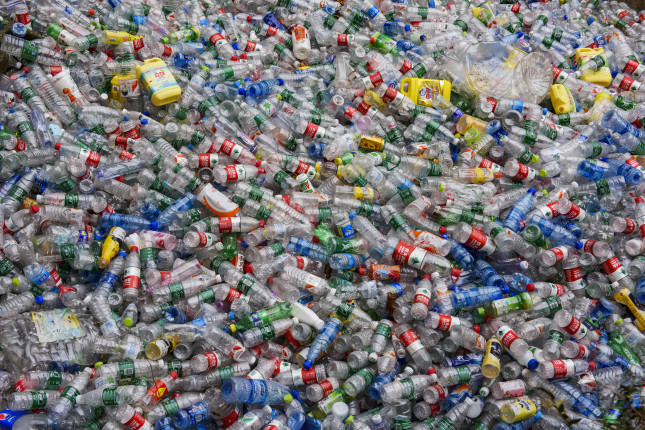
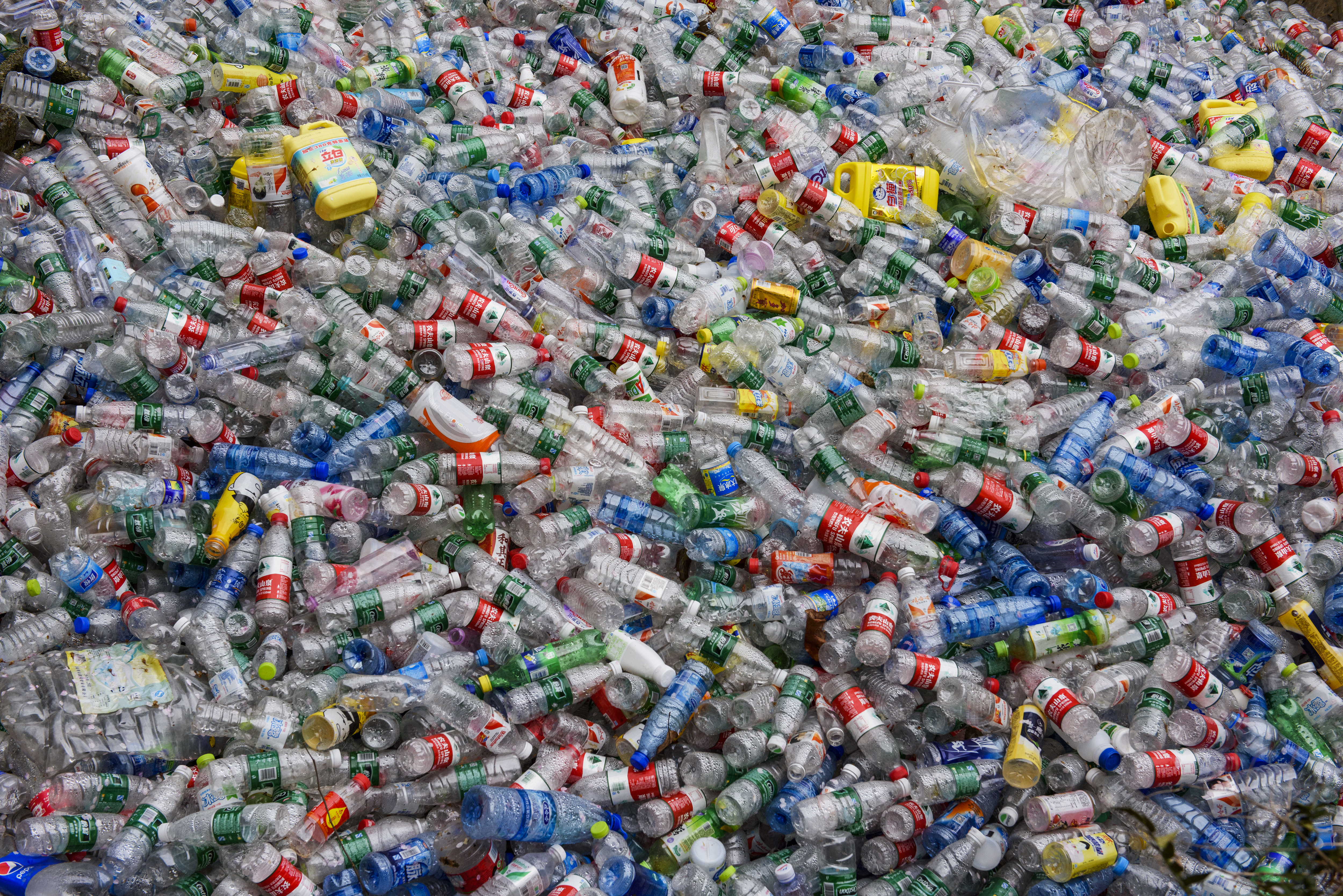
U.S. efforts to reclaim its climate change leadership, as demonstrated at COP26 in Glasgow, will be undermined if the country does not also step up and accelerate action on reducing plastic waste. Plastic is packing a serious carbon punch along its entire supply chain, from oil extraction and manufacturing to disposal. According to Beyond Plastic’s new report, The New Coal: Plastics and Climate Change, the U.S. plastic industry’s contribution to climate change will exceed that of coal by the year 2030.
-
Merging the Environmental and Security Sectors in Climate Risk Responses
›
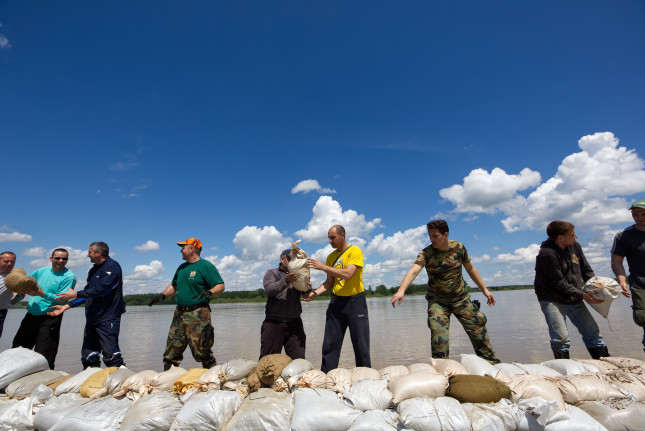
Environmental security notions have evolved over the past 30 years. Once a sub-field of Security and Peace Studies focusing on how environmental issues correlate with modern security theories and policies, the concept is rapidly merging environmental and security sectors. Former Greek Naval Officer in the Hellenic Navy and current environmental security scholar Dimitrios Kantemnidis’ expertise sits at the center of the two merging fields. His military background informs perspectives on growing environmental security risks and potential responses for civilian and military actors.
-
Blue Jeans Contaminating Blue Oceans: The Expanding Microfiber Footprint of Our Clothes
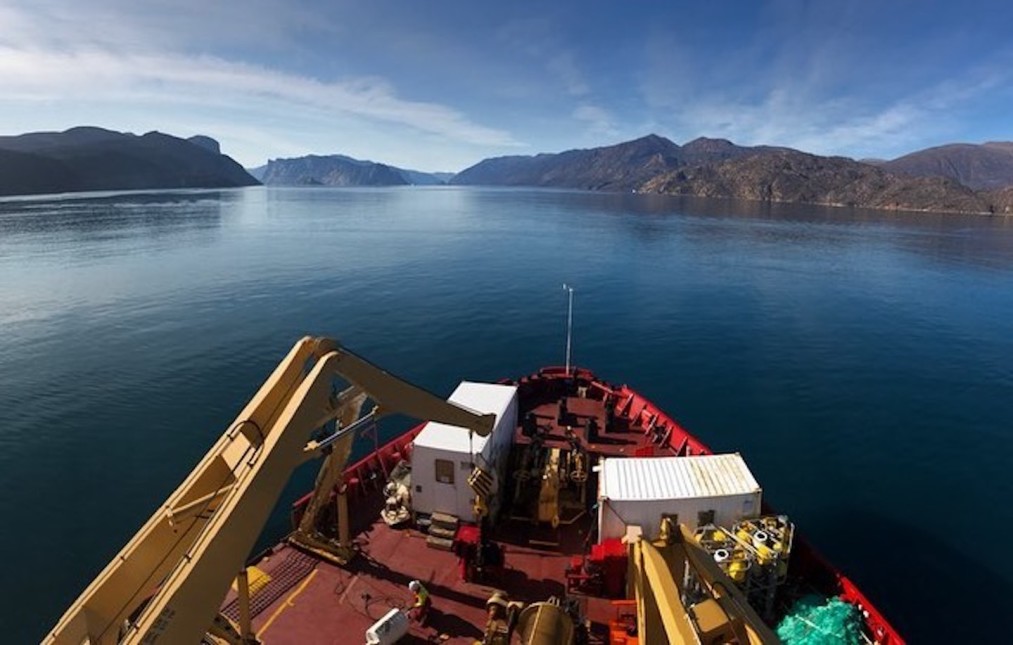
›The Arctic is believed to be a pristine environment, far removed from littered city streets and toxic industrial emissions. I study human pollution and I found it hard to believe that my fellow researchers and I would find so much litter out here. It was even harder to believe that what we uncovered closely resembled the contents of my own closet, over 3,000 kilometers (2,000 miles) away in Toronto. -
Imagine a Future Without Single-Use Plastics
›If producing plastic waste were a race, Japan would be rushing for the gold medal. Japan and the United States both rank the highest per capita for plastic packaging waste in the world. Former Prime Minister Shinzo Abe’s administration set a goal to reduce Japan’s plastic waste production by 25 percent by 2030 and recent polls show the majority of the Japanese public wants strong actions to reduce plastic waste. Nevertheless, Japan is not doing enough to stem the tide of plastic entering the ocean. If Japan and the rest of the world fail to act more boldly, global oceanic plastic waste could triple by 2040. Current commitments of governments and corporations would only reduce global plastic leakage seven percent below the business-as-usual scenario. Japan’s current waste management system prioritizes recycling and incineration, encouraging a make-take-waste linear model of plastic consumption. Japan needs a circular economy built on a culture of reduction and reuse instead of single-use plastics.
-
Hitting the Brakes on Plastics in China’s Food Delivery Industry: Q&A with Zheng Xue and Sherry Lu of Plastic Free China
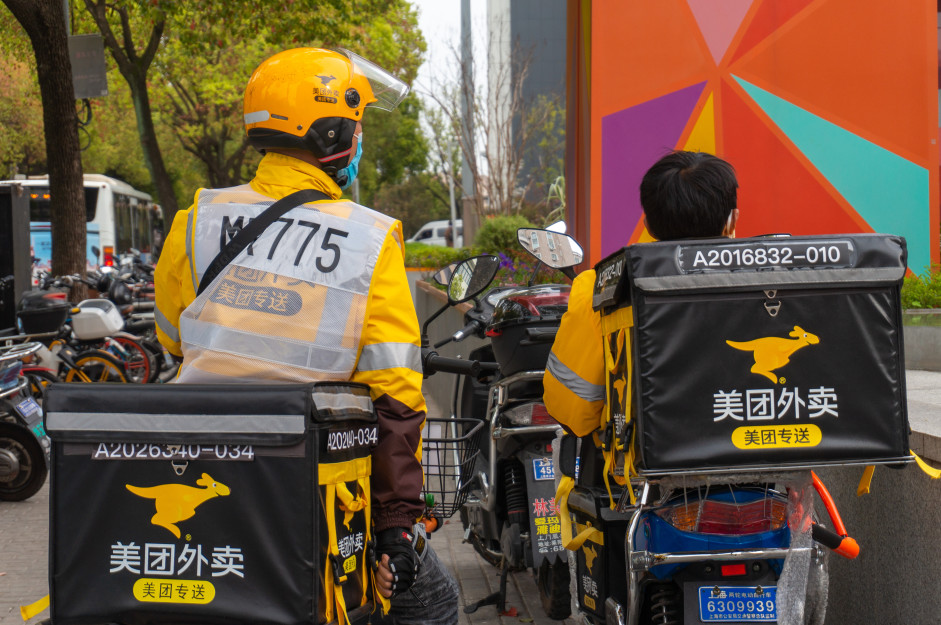
›China Environment Forum // Q&A // November 4, 2021 // By Solange Reppas, Mingwei Zhu, Tongxin Zhu & McKenna PotterIn every Chinese city, there is an army of motorcycles and mopeds weaving through the traffic jams, and sometimes even venturing on sidewalks, to deliver millions of food and e-commerce orders each day. Meituan, one of China’s most popular food delivery apps, delivers 30 million orders a day, serving up 100 million plastic containers. According to Greenpeace, e-commerce and express delivery in China generated 9.4 million tons of packaging waste in 2018 and will likely triple to 41.3 million tons by 2025. -
Can COP26 Meet the Climate and Conflict Challenge?
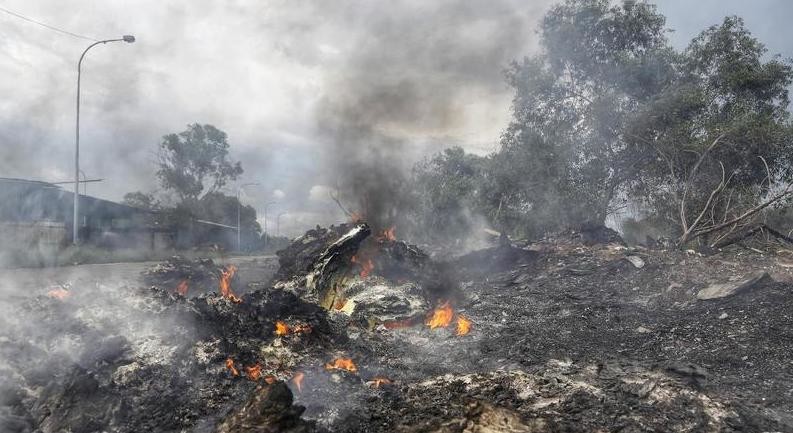
›Global climate action must be sensitive to ‘land grabs’ and lost livelihoods for both a safer and greener world to be built in Glasgow.
With all eyes on COP26, the world is holding its breath. This year’s negotiations will need to see truly ambitious commitments to ramp up climate action in order to avoid a dangerous future. There has never been a greater sense of the urgency in the climate movement.
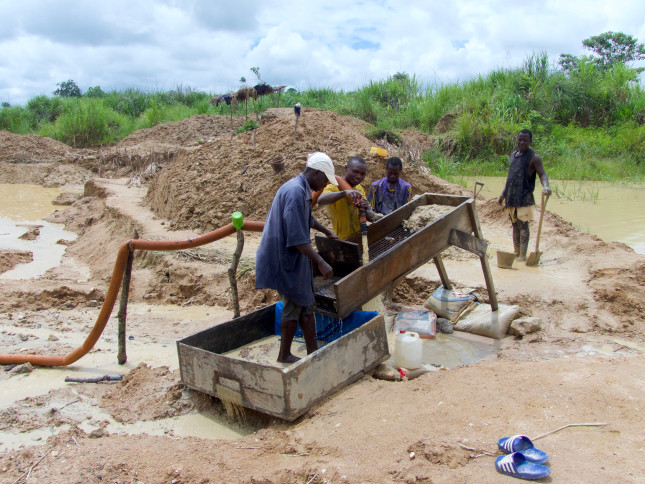
As a peacebuilder, I’m looking closely at what the implications of the much-needed pledges might be for the 1.5 billion people living in fragile and conflict-affected contexts. The discussion on the impact of climate change on security and social stability is gaining momentum but is still effectively on the fringes of the COP26 agenda. That is a concern.
-
U.S. and Chinese Aquaculture Taps into a Carbon-Free Geothermal Energy Source
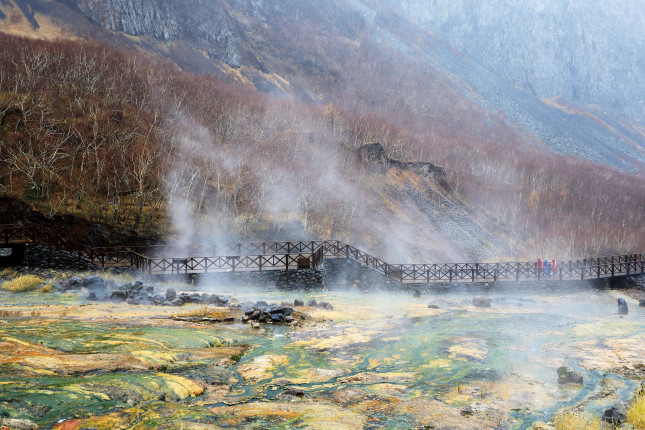
›From Friday night fish fries to shrimp cocktails, people sheltering in place have learned how to cook their favorite dishes at home. As a result U.S. seafood sales have doubled during the pandemic. Globally, the United States ranks fifth in seafood consumption and China—where hunger for seafood has skyrocketed with rising incomes—is number one. While wild fisheries are on the decline, aquaculture is expanding to increase the global food supply.
-
Climate Change and Nuclear War: Existential Threats on a “Split Screen”
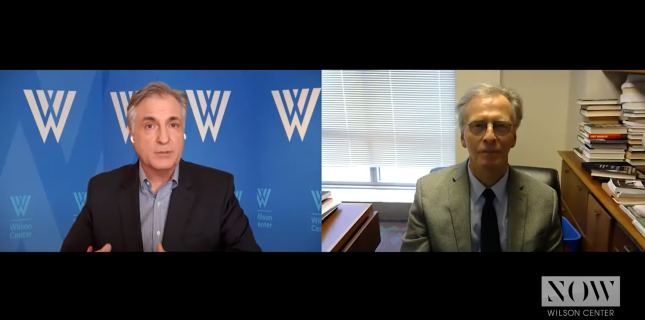
›“In international relations today, we face two truly existential threats—in climate change and in nuclear war,” says Robert Litwak, Senior Vice President for Scholars and Director of International Security Studies, in a new episode of Wilson NOW. The interview with Litwak focuses on his new article, “Geostrategic Competition and Climate Change: Avoiding the Unmanageable,” recently published in 21st Century Diplomacy: Foreign Policy is Climate Policy.
Showing posts from category environment.