-
COP15 in Kunming: A New Role for China in Global Conservation?
›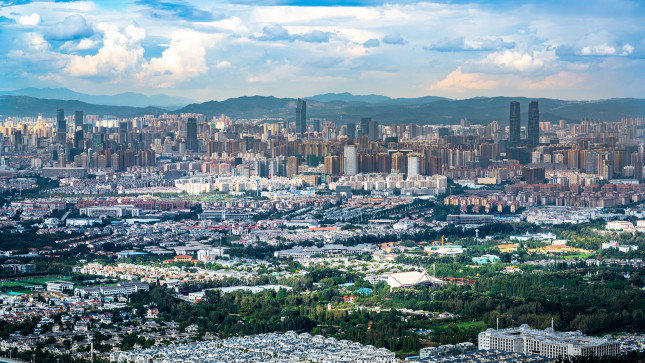
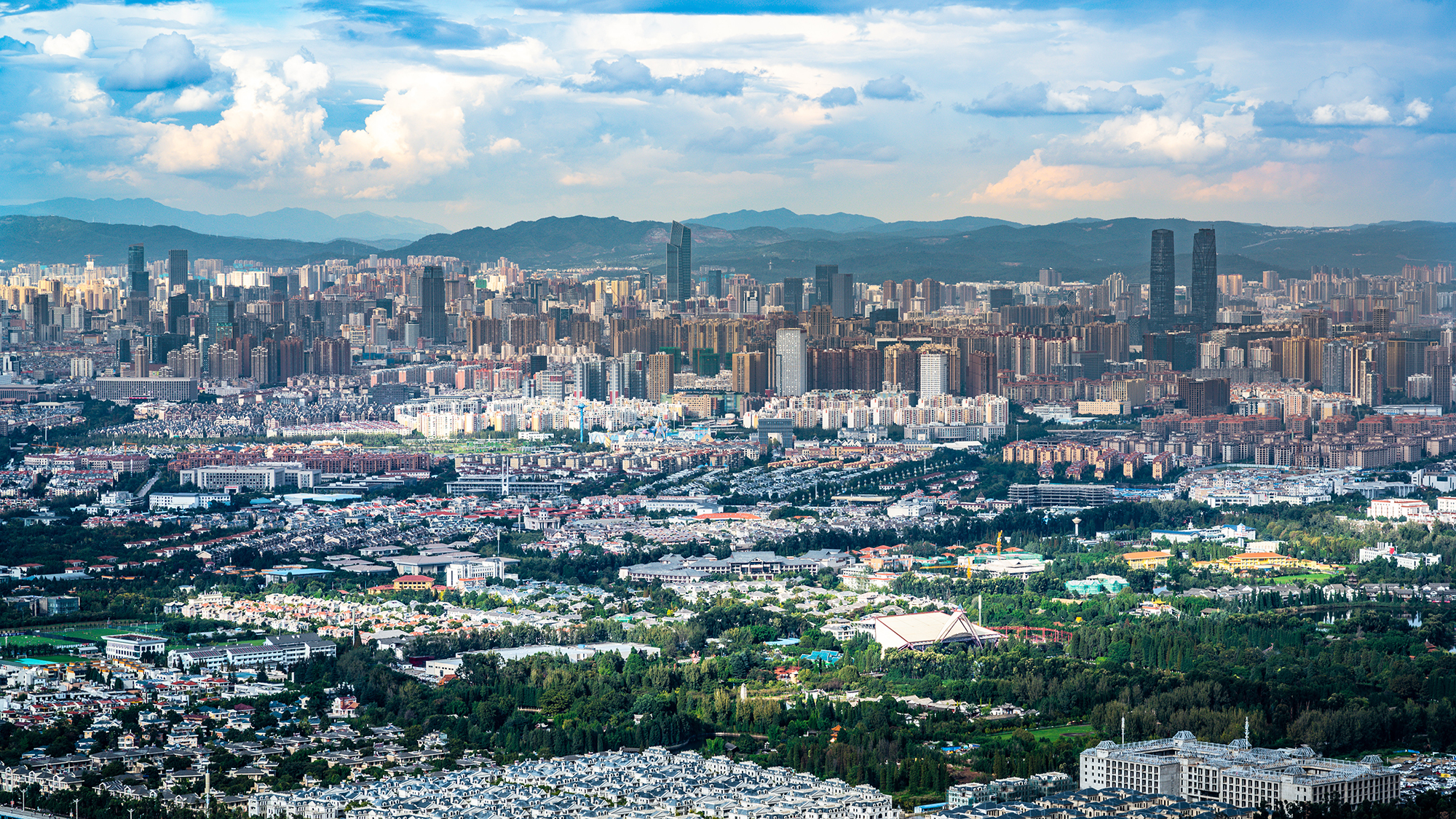
“China is ready to host COP15” read the headline of a feature advertisement placed by the Chinese COP15 Executive Committee in Nature Magazine. The piece espoused the capacity and commitment of the Chinese negotiating team, which “comprises the nation’s best and brightest minds,” the Chinese institutions involved in hosting the event, and the urgency of the task at hand. The Convention on Biological Diversity’s 15th Conference of the Parties (CBD COP15), originally planned for October 2020, was delayed twice due to the Covid-19 pandemic. It is now planned as a two-part event: the first part was held online from October 11-14 2021; the second part will take place in Kunming, China in a hybrid format from April 25 – May 9 2022. Despite these delays, both the stakes and expectations are high for the event. CBD COP15 outcomes will not only shape the next decade in global biodiversity conservation but will reflect China’s potential as a new environmental leader and a contributor to multilateral global governance platforms more broadly.
-
China’s National Emissions Trading Scheme is Just One Piece of the Mitigation Puzzle
›
On July 16, 2021, after nearly two decades of research and preparation, China finally opened what is now the world’s largest national emissions trading scheme (ETS). The much anticipated move follows the central government’s ambitious pledge to reach peak CO2 emissions before 2030 and achieve carbon neutrality before 2060. Several Chinese cities and provinces, including Shanghai, have been operating ETS pilots for several years. For Shanghai, the rollout of China’s national ETS bolsters its existing carbon marketplace and complements the multitude of other local and national decarbonization initiatives the city is undertaking. The national scheme is an encouraging step in China’s climate action, but on its own it is not a silver bullet to decarbonize the economy.
-
Developing Data-Driven Solutions to Vietnam’s Ocean Plastics Problem
›
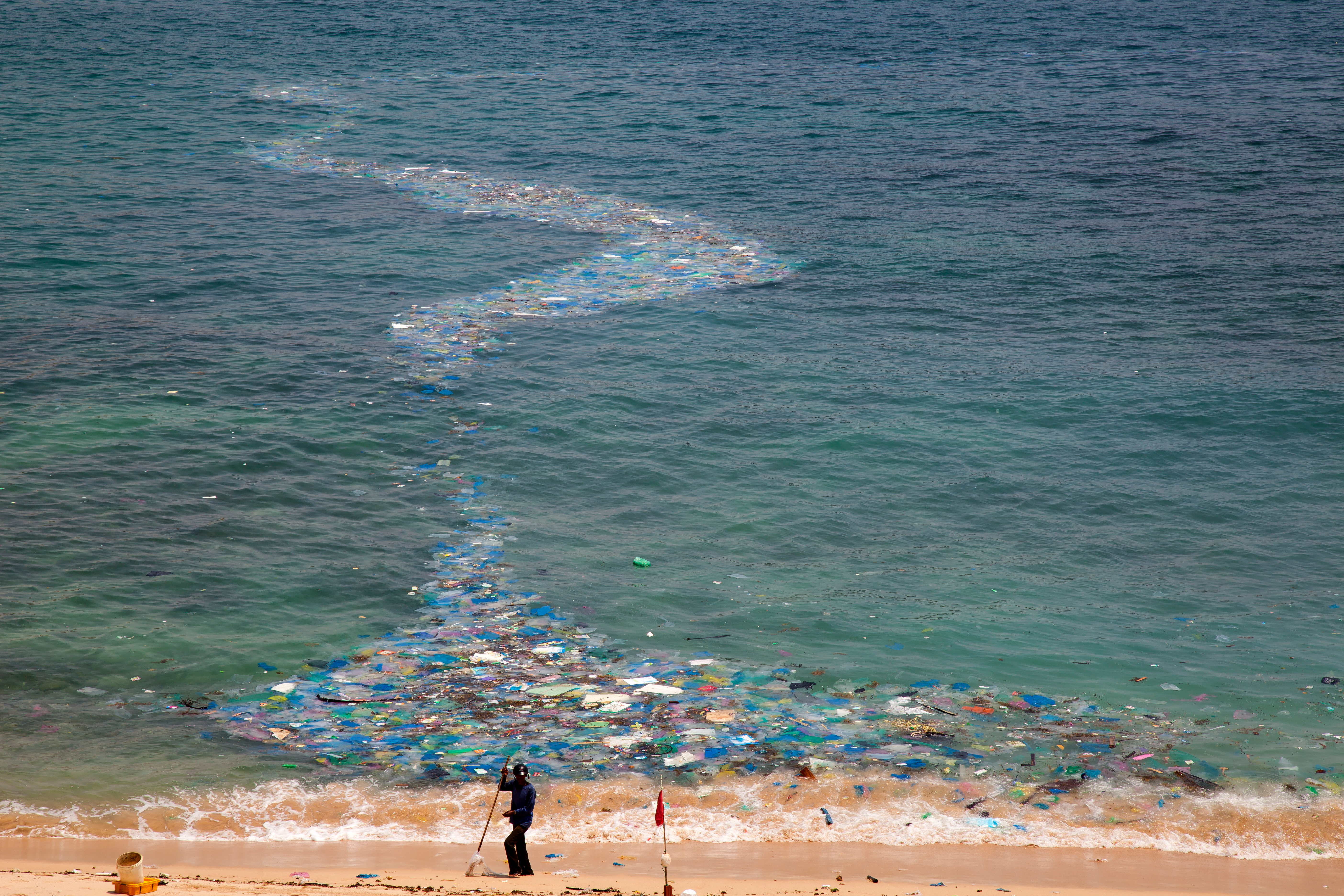
In December 2020, Vietnam’s Prime Minister Nguyễn Xuân Phúc signed the country’s National Action Plan for Management of Marine Plastic, setting an ambitious goal for the government to reduce marine plastic litter by 75 percent by 2030. Recent surveys indicate that plastics are the most prevalent and dangerous form of waste choking Vietnam’s beaches and waterways. Whether polystyrene, discarded nets, or mismanaged single-use plastics, these items are not just an eyesore, but they imperil the local ecosystem and fishing industry in Vietnam. -
Fully Protecting the World’s Land, Water, and People Through 30 by 30
›To prevent mass extinctions and bolster resilience to climate change, scientists warn that we must protect at least 30 percent of our oceans, lands, rivers, lakes, and wetlands. To safeguard global biodiversity, the “30 by 30” initiative aims to protect 30 percent of land and oceans by 2030. However, commitments on paper are not enough. World leaders must act strategically in implementation to ensure the most crucial ecosystems are protected. Implementation policies for 30 by 30 must also avoid unintentional harm such as exacerbating conflict over resources, excluding Indigenous and local groups from land management, and neglecting environmental protections for the remaining 70 percent of land and oceans.
-
Simmering Glacial Geopolitics: Upcoming Crises with Transboundary Water Cooperation on Asia’s Back Burner
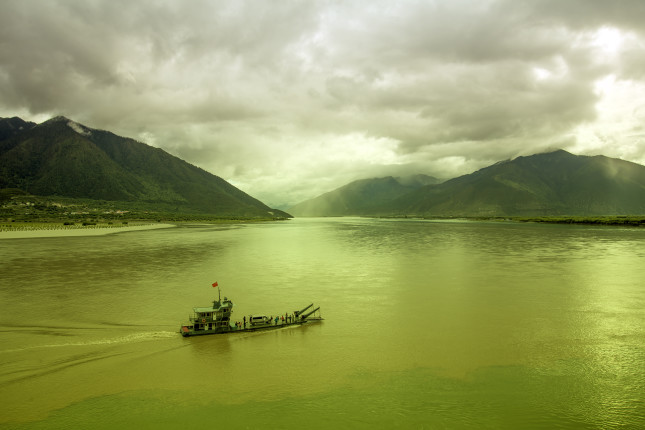
›People’s lives and livelihoods are at stake if China does not cooperate with its regional neighbors over downstream effects of the Tibetan plateau’s glaciers. The Hindu Kush Himalayas’ (HKH) numerous glaciers are known as the “Water Towers of Asia” and the “Third Pole.” Over 1.9 billion people depend on water systems that stem from HKH glaciers. Climate change will fundamentally alter the hydrology of the water basins—killing or displacing thousands of people as the changes unfold. Asia cannot continue with national or bilateral plans being the primary climate change adaptation strategies: basin-wide cooperation is essential. Unfortunately, conflicts and simmering disputes in the region make this a staggering goal to achieve.
-
The Apps Helping Indonesia’s Waste Collectors
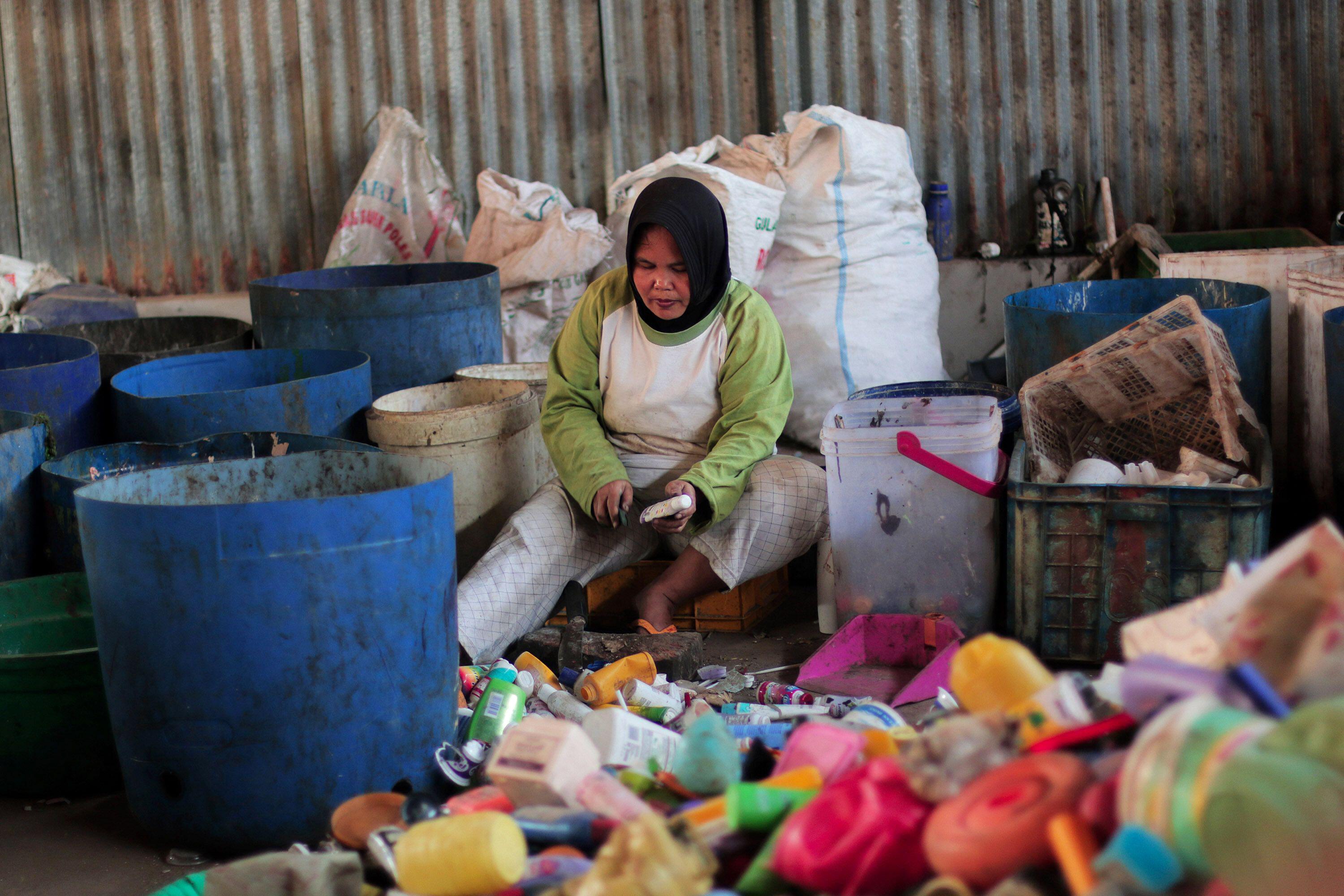
›Indonesia generates nearly 7 million tons of plastic waste each year but only 10 percent of that is recycled. The proportion is even lower in rural areas due to a lack of collection facilities. Waste is often burned or dumped on vacant land, and into rivers, lakes, and seas.
-
The Water Defenders: How Ordinary People Saved a Country from Corporate Greed: A Conversation with Co-authors Robin Broad and John Cavanagh
›“Many people have watched fights between communities and big corporations around the world. The corporations usually win so those are the Goliath. The Davids usually lose,” says John Cavanagh, co-author of The Water Defenders: How Ordinary People Saved a Country from Corporate Greed. In this week’s episode of Friday Podcasts, Cavanagh and co-author Robin Broad recount how local activists mobilized a global coalition of religious leaders, labor unions, and environmental activists to block an international corporation from opening a gold mine that threatened El Salvador’s fragile water supply.
-
The Challenges of Climate Change in an Urbanizing World
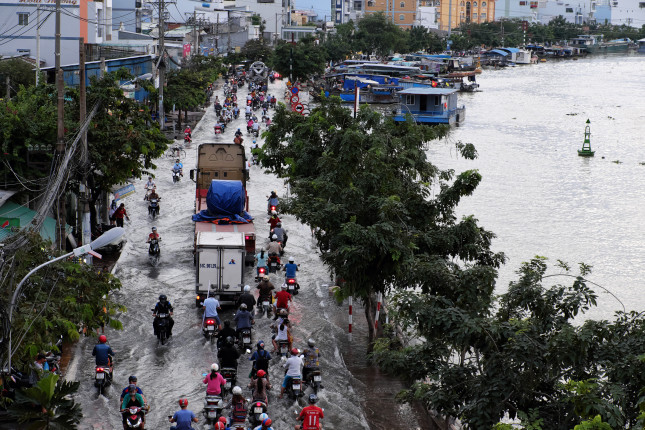
›The recently released draft report of the Intergovernmental Panel on Climate Change (IPCC) lays out in no uncertain terms that we face an insurmountable challenge in addressing climate change and its impacts. One shocking takeaway is that sea-level rise is now thought to be irreversible. Indeed, rising temperatures and changing weather patterns threaten to send some cities under water, while causing others to dry up. These opposing challenges increasingly threaten the lives and livelihoods of people in many countries as rapid urbanization is making cities even more densely populated. Floods and droughts threatening the world’s cities will force governments of the world to reevaluate the quality of their infrastructure, their disaster management strategies, and of course, their environmental footprints.
Showing posts from category environment.