-
Water: A matter of national security – and the best hope for our climate
›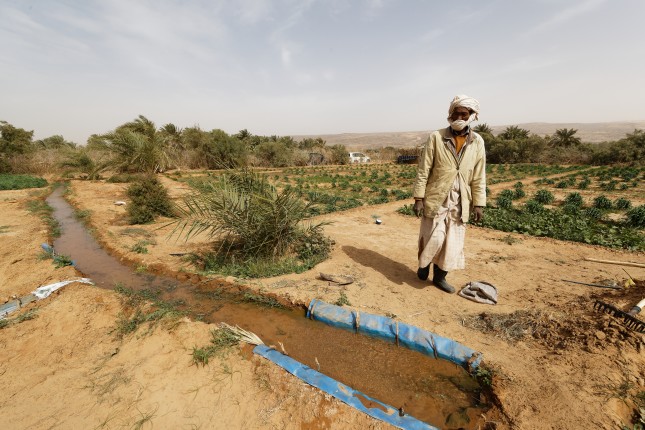
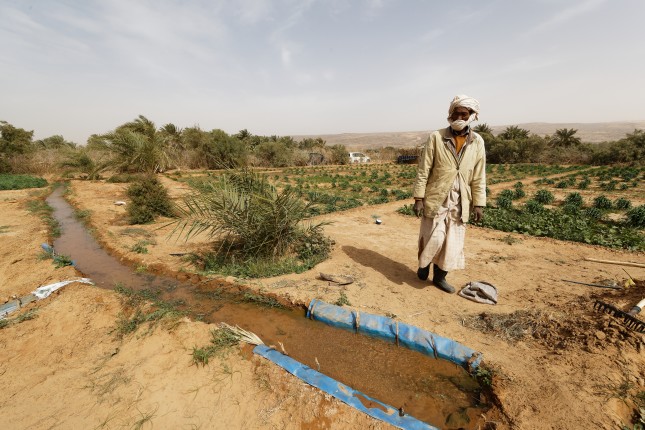
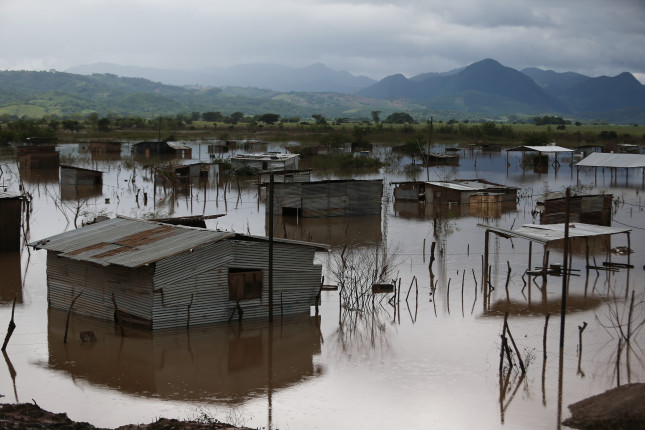
Whiskey is for drinking, water is for fighting. Mark Twain may or may not have said it, but it gets repeated because it rings true. Water is central to human wellbeing, from drinking water and hygiene to growing food, producing electricity, and supporting identity-defining landscapes.
-
China’s Growing Environmental Footprint in the Caribbean
›
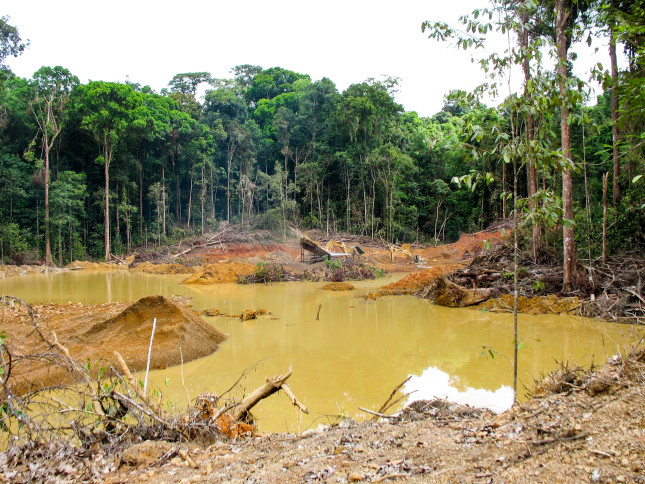
China continues blazing a trail across the Wider Caribbean through large capital flows, loans, and investment. In the last two years alone, more than a dozen Caribbean nations have signed on to China’s Belt and Road Initiative—even as some still recognize Taiwan, perhaps the only remaining sticking point preventing further signatories. The deepening of relations did not happen overnight, but it is only recently that the Belt and Road Initiative has drawn attention to China’s strategic investments and growing political bonds with Caribbean island nations.
-
COP 27 in Sharm: Few Opportunities and More Challenges for MENA Environmentalists
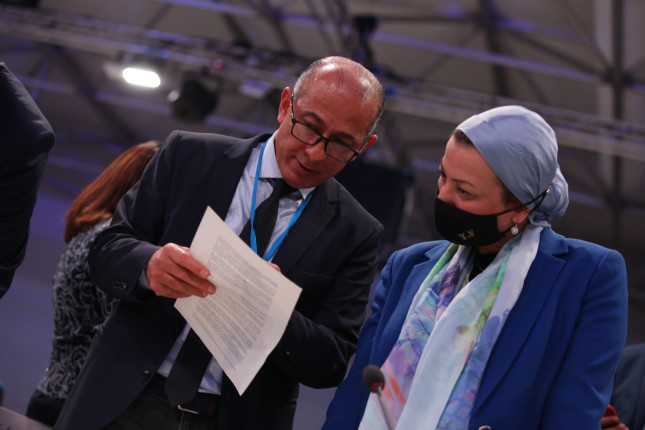
›In November, the world’s marquee climate conference will come to one of its fastest warming regions. Over roughly two weeks, global leaders, businesspeople, and, in theory, civil society organizations, will negotiate and schmooze along the shores of the Red Sea at Sharm el-Sheikh, Egypt. After a rather mixed outcome of last year’s COP 26 in Glasgow – and even more chilling IPCC report releases since then, global environmentalists are counting on this year’s COP 27 to produce the kinds of game-changing, emissions-cutting measures that climate risks so desperately demand.
-
World’s Nations Commit to Ending Plastic Waste
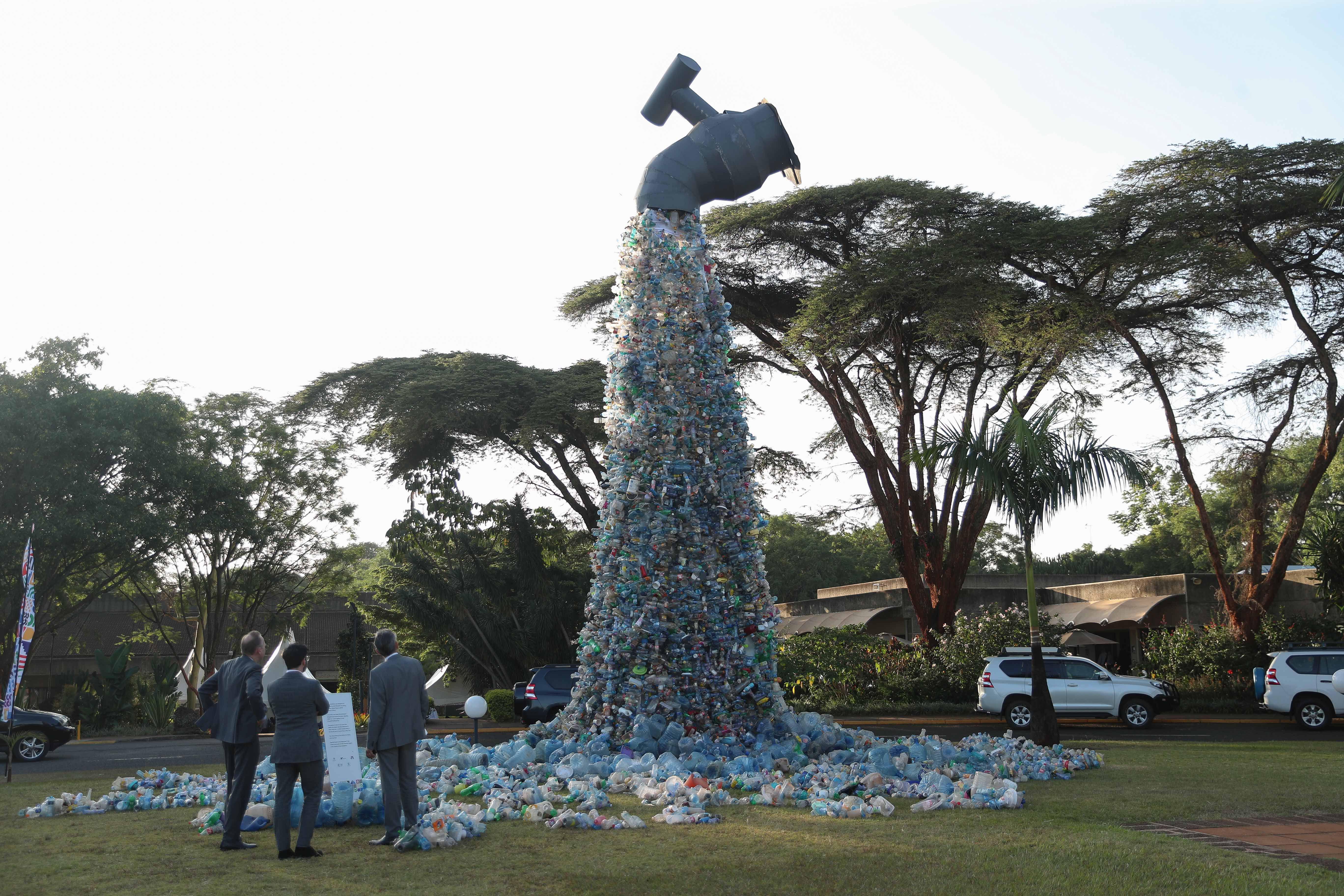
›The United Nations has laid the foundation for negotiations to begin on the world’s first legally binding treaty to end plastic pollution. At the United Nations Environment Assembly (UNEA) in Nairobi earlier this month, the parameters were set for a future treaty, including hard-won provisions to address the full life cycle of plastics and tackle waste in all environments, not just the ocean.
-
Environmental Change, Migration, and Peace in the Northern Triangle
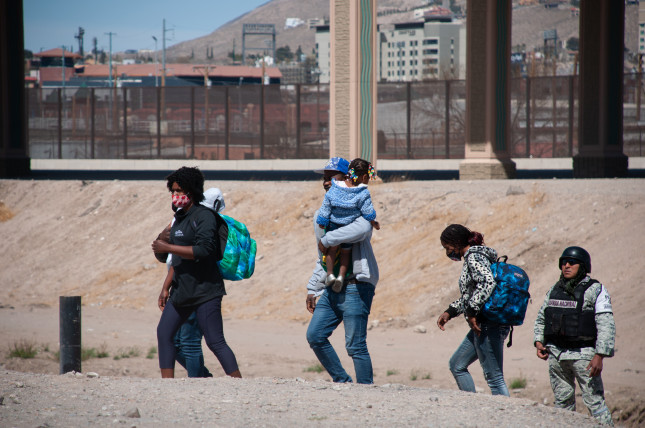
›“There is a growing recognition that climate change is going to affect security and it’s increasingly shaping peoples’ decisions about where to move, where to live, and how to plan their futures, but how migration, climate, and insecurity connect and drive risks is not always as clear cut as the headlines would have us believe,” said Cynthia Brady, Global Fellow and Senior Advisor with the Wilson Center’s Environmental Change and Security Program, at last month’s International Conference on Environmental Peacebuilding. The roundtable discussion, “Environmental Change, Migration, and Peace in Central America’s Northern Triangle” drew on the Wilson Center’s framework to improve predictive capabilities for security risks posed by a changing climate, developed in partnership with the National Oceanic and Atmospheric Administration (NOAA). Applying the framework to the Northern Triangle—Honduras, Guatemala, and El Salvador—panelists discussed complex challenges and proactive approaches for building climate resilience and adaptive capacity.
-
How Women’s Leadership Has Uniquely Shaped the Environmental Movement
›At first glance Greta Thunberg, a Swedish teenager, seems a very unlikely candidate to become arguably the world’s best known environmental activist. Yet despite her youth and lack of advanced degrees or political authority, she has inspired millions of people to join in the effort to combat climate change. Certainly Thunberg is unique in her global reach, but even a cursory history of women’s environmental leadership reveals countless women operating far outside the bounds of conventional government, yet making a meaningful impact.
-
Tethering to Human Rights in the Pushes and Pulls of Human Mobility
›“In the movement toward complex solutions, at the heart of it all we’re talking about individuals with their own complex issues as they are moving through different scenarios,” said Shanna McClain, Disasters Program Manager with the National Atmospheric and Space Administration, at last month’s International Conference on Environmental Peacebuilding. The panel discussion, “Resource Implications of Human Mobility and Migration,” focused on what data shows—and doesn’t show—are the complex linkages between climate, conflict, and mobility. Panelists discussed how more integrated programming and policy actions are needed to make migration safe, orderly, and voluntary, and how to keep human rights at the center of the complex processes.
-
The Best or Worst of Both Worlds? Nuclear Power’s Contested Role in Europe’s Energy Transition
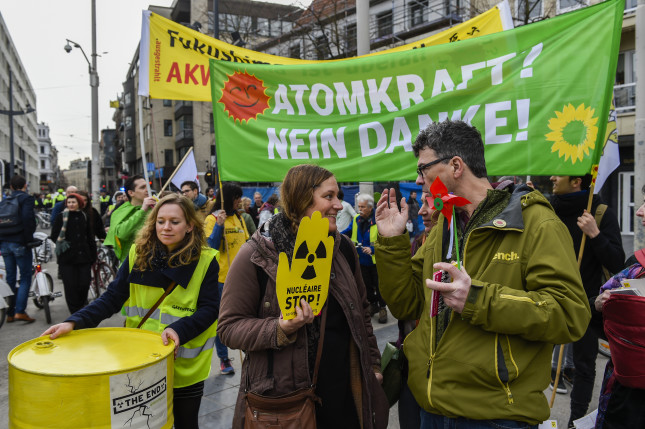
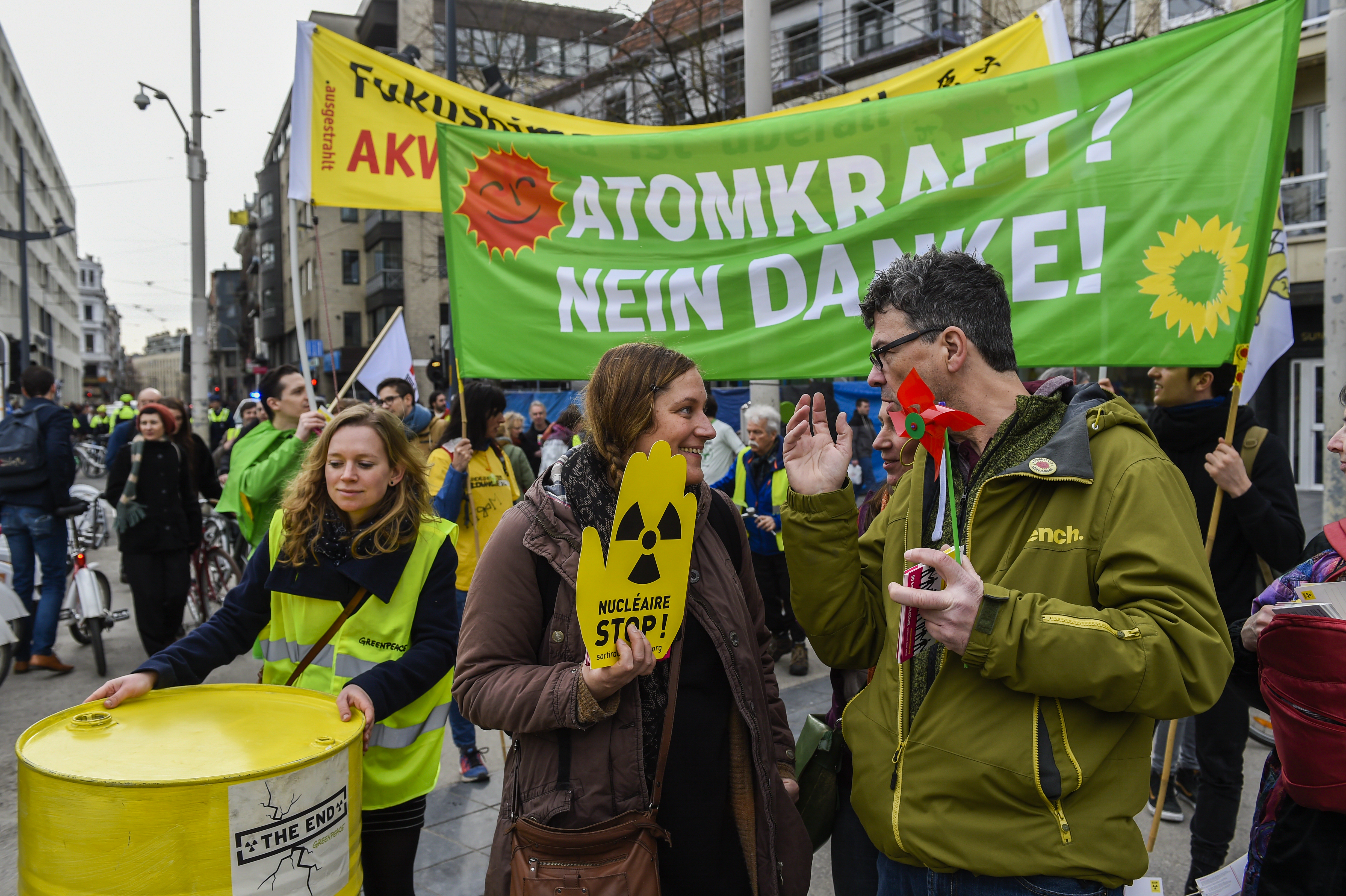
›Growing up in Austria in the 1990s, one of the underlying lessons I learned in middle school was that nuclear power is humanity’s downfall. Though never explicitly described that way in the curriculum, from a young age my peers and I knew to associate the black-and-yellow trefoil symbol with apocalyptic environmental destruction. Reflecting on my upbringing helps me understand why so many in Germany, Austria, Denmark, Greece, and Italy argue that nuclear power should be our last resort as an energy resource. How could we allow the development and use of such dangerous technologies in our own lives? How could we just move on and accept that a nuclear accident could kill all of us at any moment?
Showing posts from category environment.