

-
Why Climate Change Will Exacerbate Inequalities and Grievances in Iraq
›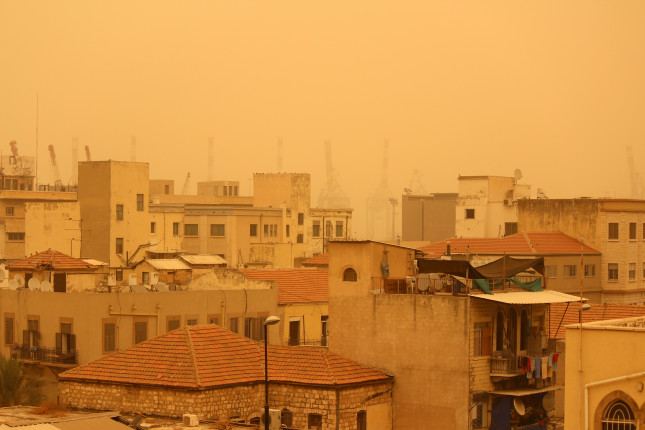
The UN Environment Programme has ranked Iraq as the fifth most vulnerable country to climate change. In recent years, it has increasingly witnessed extreme heatwaves with temperatures reaching above 50°C. Iraq’s mean annual temperature also is predicted to increase by two degrees Celsius by 2050.
-
Silatech’s Hassan Al-Mulla on Tackling Youth Unemployment in the MENA Region
›
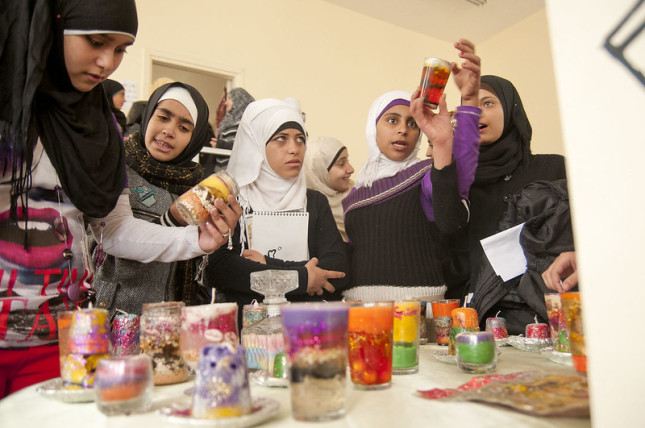
The MENA region is experiencing a confluence of stressors, from ongoing instability to intensifying climate-related issues like water insecurity. At the recent Doha Forum, ECSP’s Lauren Risi sat down with Hassan Al-Mulla, CEO of Silatech, to discuss what his organization—an international non-profit NGO focusing on youth economic empowerment—is doing to address some of these challenges.
-
Microplastics in Soil – Small Size Big Impact on U.S. and Chinese Agriculture
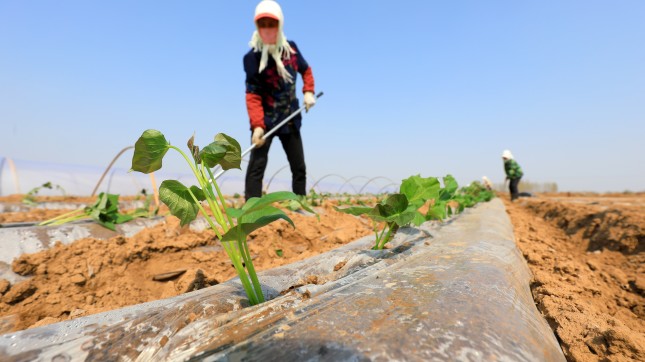
›Collecting plastic fragments was a game he played while helping his parents farm when growing up in rural Shandong Province, says Dr. Zhao Kaiguang, who is now an associate professor of Environment and Natural Resources at The Ohio State University: “I wanted to collect the most, but did not realize the serious negative implications of leaving plastic in the soil.”
-
An Earth Day Appeal for Sustainable Market Solutions
›April 22, 2022 // By Roger-Mark De SouzaGlobal insecurity driven by the conflict in Ukraine and pandemic-induced instability has come powerfully into confluence to increase threats to livelihoods across the world.
What can we do to stem the tide? This Earth Day is an opportunity to rally for action that will help us all face such challenges now and in years to come. One of the most powerful ways to do so is to solidify and expand the reach of sustainable markets. There are a number of ways that this process can begin right now.
-
Top 5 Posts for March 2022
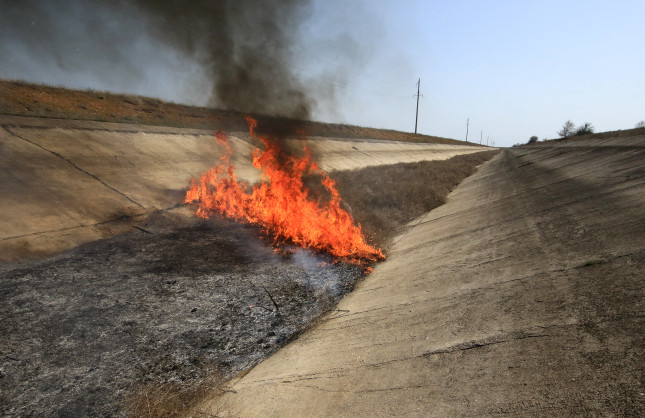
›The devastation wrought by Russia’s invasion of Ukraine has shocked the world. But underneath the searing photographs and headlines, the war also highlights how access to natural resources shapes conflict—and how addressing regional resource needs is central to effective peacebuilding. For instance, the contentious North Crimean Canal cut off most of the water in occupied Crimea in 2014, leading to water insecurity and a loss of arable land. In our top post for March, Mehmet Altingoz and Saleem Ali discuss the role of water infrastructure in the years-long conflict between Russia and Ukraine and explain how water-sharing agreements could make critical contributions to peace.
-
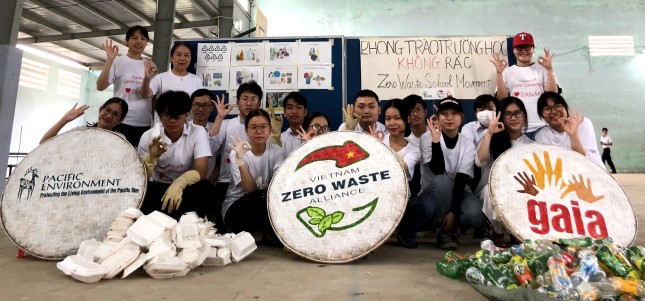
The Zero-Waste School Movement Is Finding Its Stride In Vietnam
›During February’s Lunar New Year holiday, Vietnam Zero Waste Alliance coordinator Xuan Quach and her family were returning home to Thai Binh. When they were halfway home, Xuan’s brother nonchalantly tossed a plastic bottle out the window. Xuan opened her mouth to chide her brother, but was surprised when her niece scolded him, “Dad! Don’t contribute to plastic pollution!” Xuan grinned, knowing that all of her hard work educating the public about the dangers of plastic waste was paying off.
-
The Climate Solutions That Play Double-Duty
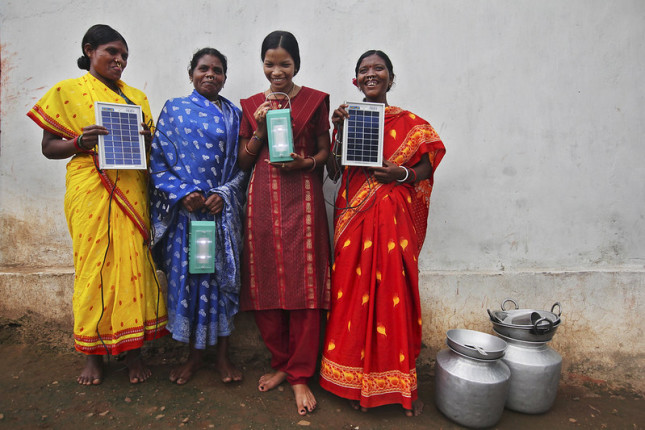
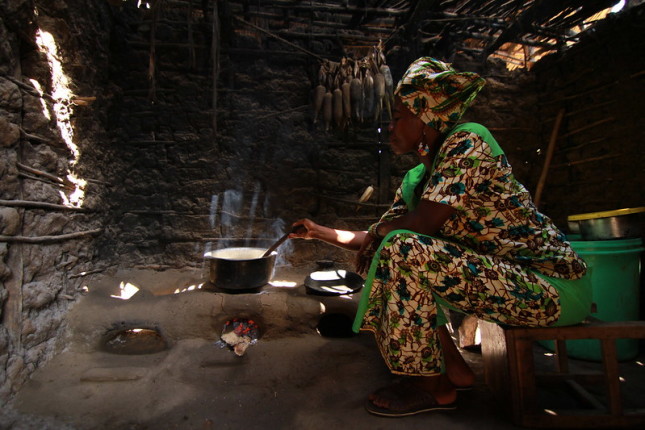
›Finance for climate action is growing—however, much of this money is being invested in wealthier nations, while the regions where funds are needed most are often overlooked and underfunded by both public and private institutions. The good news for funders is that there are climate solutions that not only significantly reduce greenhouse gas emissions, but also create cascading social and public health benefits for communities on the frontlines of the climate crisis. For those looking to get the biggest return on their investment—for both people and planet—we offer two particularly promising solutions: ramp up funding for clean cooking and electricity where they matter most.
-
New Security Broadcast | Jeff Colgan on Oil Politics and International Order
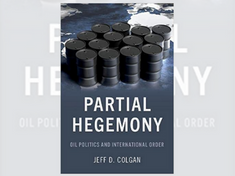
›Debates around whether and to what extent international order is changing can be misguided “so long as we are thinking about international order as a single, monolithic thing,” says Jeff Colgan, Associate Professor of Political Science and director of the Climate Solutions Lab at Brown University in this week’s episode of New Security Broadcast. Colgan spoke at a recent Wilson Center event featuring his new book, Partial Hegemony: Oil Politics and International Order. In the book, Colgan challenges the idea of a monolithic ‘global order’ and shows that international order instead comprises a set of interlinked “subsystems.” In a world where there is no single, all-encompassing hegemon to trigger universal global change, this framework of subsystems allows us to explore how particular geopolitical realms can alter without fundamentally changing the geopolitical landscape, he says.
Showing posts from category environment.
 Debates around whether and to what extent international order is changing can be misguided “so long as we are thinking about international order as a single, monolithic thing,” says Jeff Colgan, Associate Professor of Political Science and director of the Climate Solutions Lab at Brown University in this week’s episode of New Security Broadcast. Colgan spoke at a recent Wilson Center

