-
U.S. Backing for the UN Resolution for Healthy Environment Would be a Game Changer
›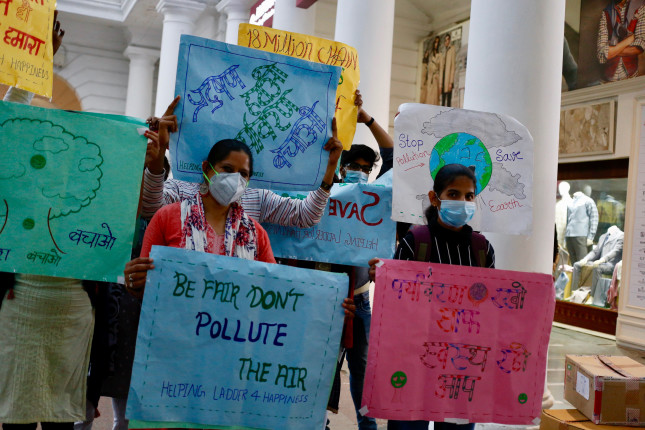 In 1972, environmental activists, government leaders, and industry experts met in Stockholm, Sweden, for the United Nations Conference on the Human Environment (Stockholm Conference) to plot out a new direction for international environmental governance. Over the ensuing 50 years, countries negotiated successful agreements to shrink the ozone hole and expanded protections for wildlife and ecosystems.
 -
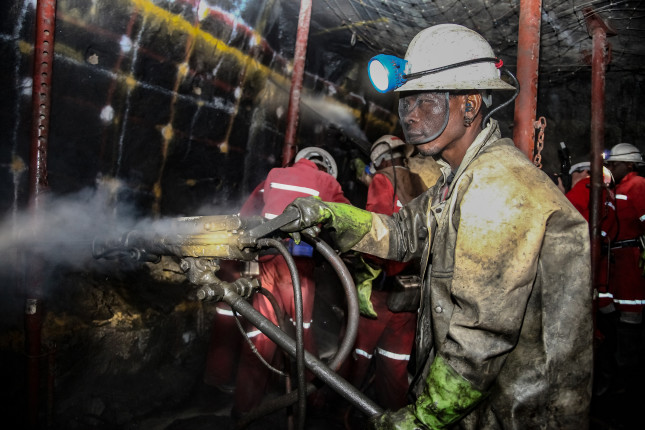
Deep Seabed Mining and the Green Energy Transition
›
On March 8, 2022, the price of nickel doubled overnight. Fueled by the war in Ukraine, fears of supply disruptions briefly drove the cost of nickel contracts over $100,000-a-ton. The London Metal Exchange, the main global market for industrial metals, suspended trading for a week, canceling billions of dollars worth of trades.
-
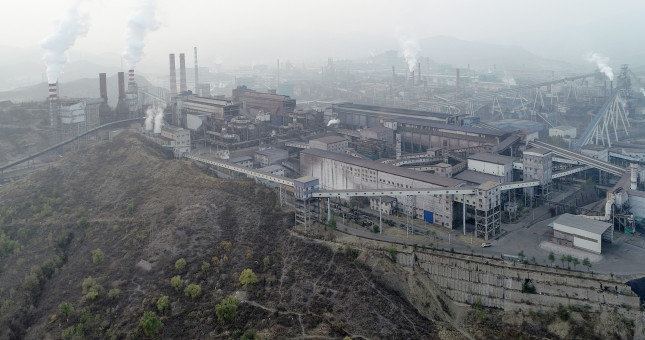
The Ukraine War’s Shadow on China’s Road to Decarbonization
›Russia’s invasion of Ukraine has shaken the world economy. The U.S.-led push for sanctions on Russia has surprised analysts with its depth. Germany, for example, is now turning away from four decades of reliance on Russian oil and gas. Given Russia’s status as a global energy colossus, the war has raised particular uncertainty in global energy markets, leading many countries to take steps to ensure adequate supplies.
China’s energy connection to the crisis and, specifically, the war’s effect on China’s decarbonization commitments, have drawn little attention. Unfortunately, the war’s impact on energy markets has accelerated Chinese plans to return to the use of coal for power generation. And the market volatility it has inflamed is partly behind China’s return to investment-and emissions-heavy stimulus. Make no mistake, however, China’s investments in renewables are still enormous and dwarf those of the United States.
-
Andrew I Rudman and Cecily Fasanella, Innovation News Network
Before Breaking Ground: Challenges and Opportunities for Mexican Lithium
›May 25, 2022 // By Wilson Center StaffIn response to the growing challenges created by climate change, consumers across the globe are demanding more environmentally friendly products. This demand is particularly evident when examining the automotive market. In 2021, global sales of electric vehicles (EVs) more than doubled from the year before, rising from 3 million to 6.6 million vehicles according to the International Energy Agency. This boom has created a need for lithium, a key component of the rechargeable batteries used to power these vehicles. Referred to as ‘white gold,’ countries with lithium reserves are racing to increase extraction and export deposits for battery production. As automobile and battery manufacturers work to meet demand and avoid supply chain shocks, many are looking toward the untapped potential of Mexican lithium.
-
How plastic is fueling a hidden climate crisis in Southeast Asia
›With sea level rise and ecological collapse threatening its environment and the very existence of its main coastal cities, Southeast Asia is one of the regions most at risk from the impacts of climate change. But while countries around the world step up efforts towards decarbonization and reaching their shared climate goals, carbon remains unchallenged – in the form of plastic – and firmly entrenched in Southeast Asia’s economy.
-
Serious About Climate Change? Put All Options on the Table
›The intensifying enmity between the United States and Russia arising from the war in Ukraine may obscure a fundamental and durable milestone in climate science: One of the most significant pieces of evidence substantiating a shared major security concern—anthropogenic climate change—was the result of United States, French, and Russian cooperation. Ice cores drilled at Russia’s Antarctic Vostok Station provided among the most incontrovertible proof linking human greenhouse gas (GHG) emissions to increasing atmospheric temperatures—over two decades ago.
-
The “Fuel of the Future” and Water Insecurity in South Africa’s Platinum Belt
›May 16, 2022 // By Tokollo Matsabu
A new contribution in a continuing series examining “backdraft“—the unintended consequences of climate change responses—and how its effects might be anticipated and minimized to avoid conflict and promote peace.Hydrogen fuel is becoming a central pillar of global decarbonization strategies. The hype over green hydrogen (the “fuel of the future”) and its potential to provide an abundance of low carbon fuel to transportation and industry has enticed several major emitting countries to scale up its production. And a UN-backed initiative wants to achieve a 50-fold production increase in the next six years.
-
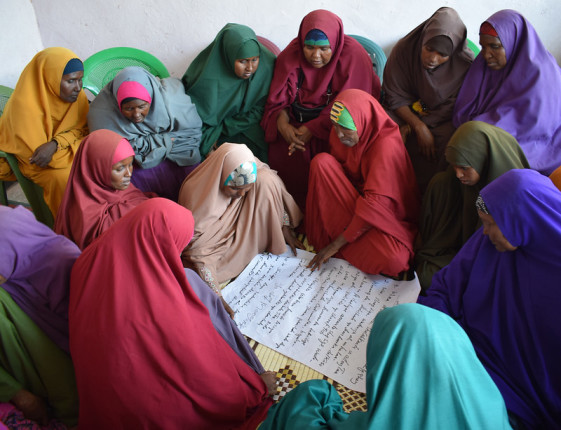
The Risks of Gender-blind Climate Action
›Climate change is widely recognized as one the greatest threats to peace and security in the 21st century. The causal pathways that link deteriorating environmental conditions, insecurity, and conflict, while seldom automatic or linear, are, nevertheless, ubiquitous. The adverse impacts of climate change exacerbate other risk factors, especially in already fragile contexts. In turn, these factors magnify pre-existing economic, social, or political drivers of insecurity.
Showing posts from category environment.