-
A Decade of Progress on Palm Oil Deforestation at Risk in Indonesia
›China Environment Forum // Guest Contributor // Vulnerable Deltas // October 24, 2024 // By Jason Jon Benedict & Robert Heilmayr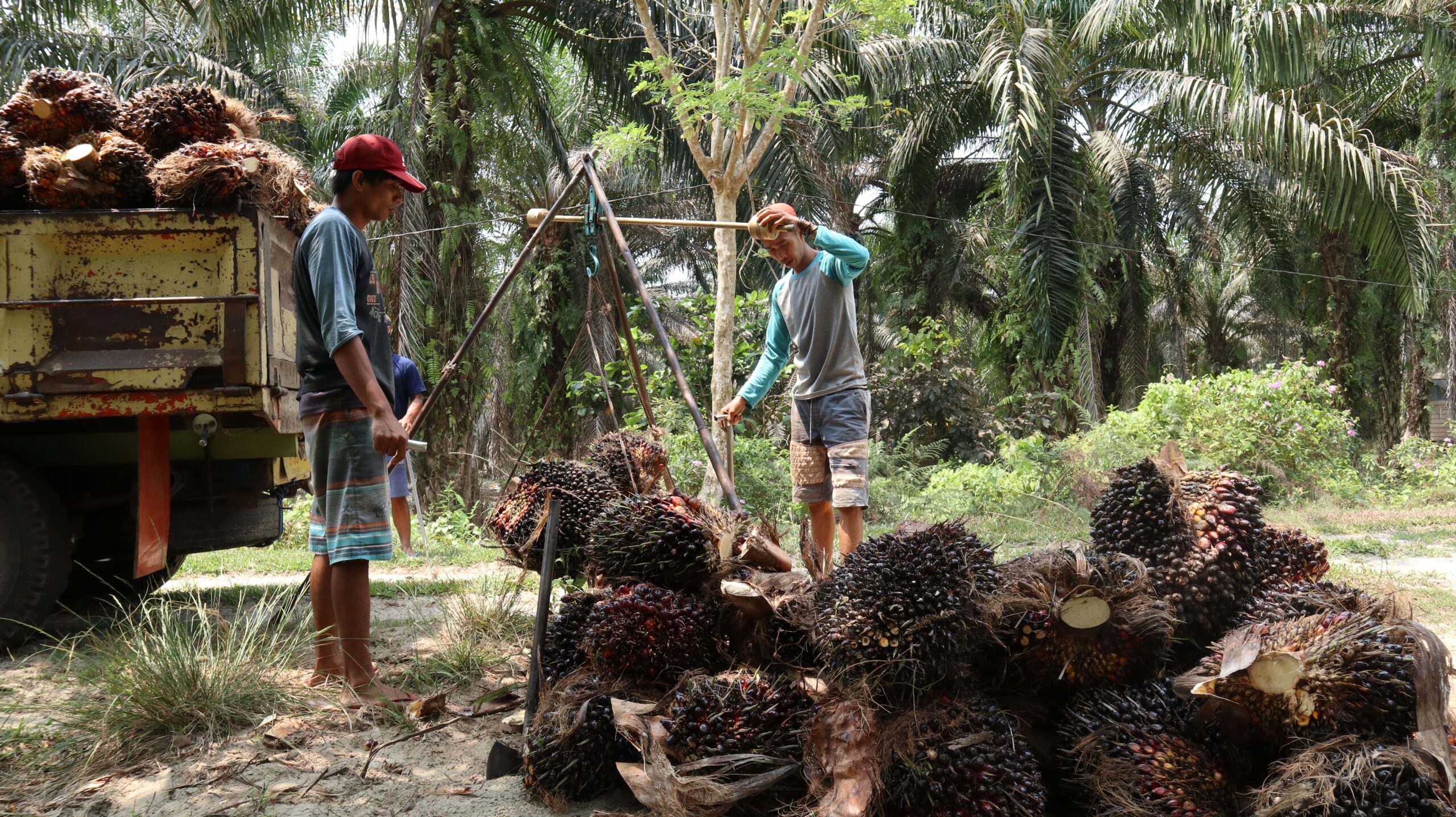
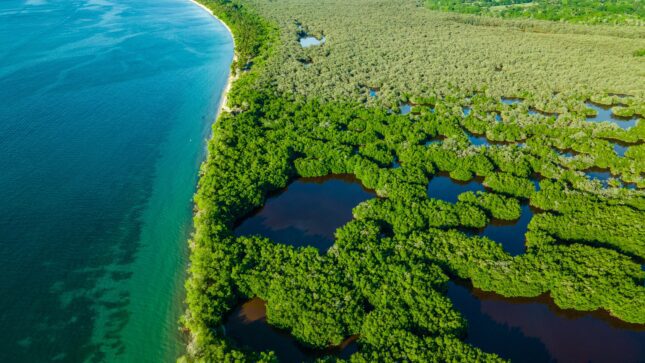
Indonesia is the world’s largest producer and exporter of palm oil, an ingredient used globally in a huge variety of food and household products from peanut butter to shampoo. Yet it is also an important driver of deforestation and contributor to climate change and biodiversity loss. Over the past 20 years, the expansion of palm oil plantations has contributed one-third of the total loss of old-growth forests in Indonesia (around 3 million hectares).
-
Deep Seabed Mining: Will It Rise to The Surface—and Where?
›
Norway recently announced that electric vehicles (EV) now outnumber gas-powered ones on its highways for the first time—and that these vehicles comprise 80 percent of its current new car sales. While internal combustion engines (ICE) will not disappear for several years, Norway’s sales of ICE-powered vehicles will end abruptly in 2025.
-
The COP16 Opportunity: Bringing Biodiversity and Climate into Alignment?
›At first glance, the growing alignment of climate and biodiversity challenges in global politics may seem harmless. Indeed, there is a strong argument that it is a much-needed and long overdue development, since addressing these inextricably-connected challenges together may ensure that gains in one area do not lead to costs in the other.
-
ECSP Weekly Watch | October 7 – 11
›A window into what we’re reading at the Wilson Center’s Environmental Change and Security ProgramEscalations in Middle East Spur Oil Security Concerns (Reuters)
One year on from the brutal reignition of the Israeli-Palestinian Conflict on October 7, 2023, the situation in the Middle East has escalated drastically. Hamas’ attack on Israel has been followed by Israeli strikes across the region, which have killed tens of thousands of civilians, displacing millions in Gaza and in Lebanon. Now, tit for tat attacks between Israel and Iran have made Gulf states, particularly Saudi Arabia, Qatar, and the United Arab Emirates (UAE), worry about oil security in the region.
-
ECSP Weekly Watch | September 23 – 27
›A window into what we’re reading at the Wilson Center’s Environmental Change and Security Program
Member States Adopt Pact of the Future (United Nations)
The United Nations hosted the Summit of the Future earlier this week, which led to a new agreement between member states which acknowledged the shortcomings of the UN’s current role and abilities. The Pact of the Future encourages member states to reaffirm, reestablish, and renew global cooperation—and create new solutions to address today’s escalating polycrises.
-
ECSP Weekly Watch | September 16 – 20
›A window into what we’re reading at the Wilson Center’s Environmental Change and Security Program
COP29-Host Azerbaijan Accused of Hypocrisy (The Guardian)
Azerbaijan holds the presidency for the upcoming COP29 in November 2024, and it is using that platform to call for all member states to cease any ongoing conflict they are involved in during the two-week conference. The Central Asian country will also host a “peace day” on November 15, and is putting forth a COP29 Climate and Peace Initiative to support vulnerable countries and advance action in the climate and peace nexus.
-
Indonesia’s Just Energy Transition Must Not Just Be More of the Same
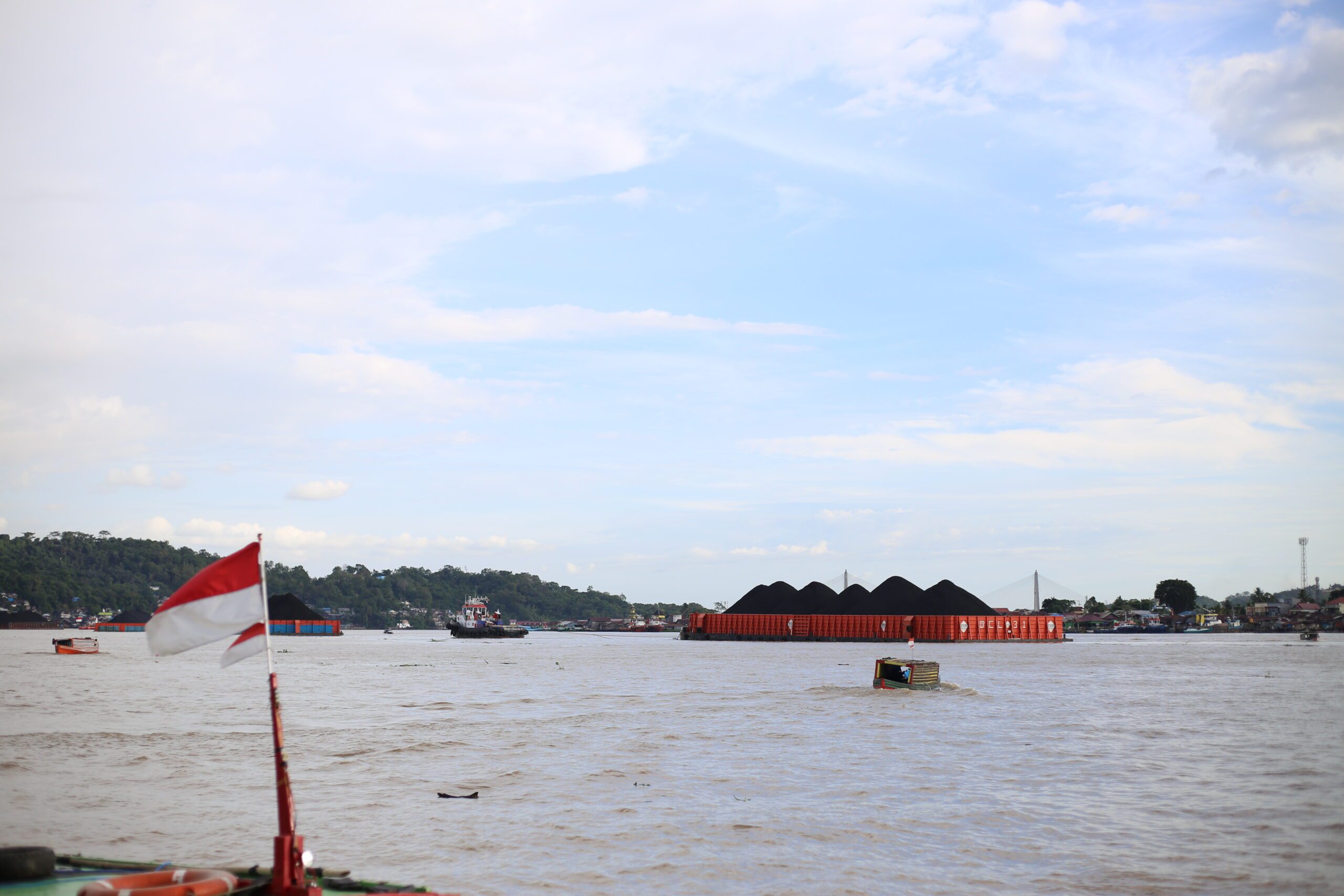
›China and the Global Energy Transition // China Environment Forum // Vulnerable Deltas // September 19, 2024 // By Jennifer NguyenWhile standing on the banks of the Mahakam River in Samarinda on the island of Borneo, I watched an unending parade of coal barges sail slowly down the river. I was here in East Kalimantan to give a presentation at the Vulnerable Deltas Workshop—a joint project of the East-West Center and the Wilson Center’s China Environment Forum.
-
ECSP Weekly Watch | September 9 – 13
›A window into what we’re reading at the Wilson Center’s Environmental Change and Security Program
Fukushima Nuclear Clean-up Begins (The Diplomat)
It has been over 13 years since a massive 9.0 earthquake near the coastline of Japan in 2011 triggered a tsunami that irreversibly damaged the Fukushima Daiichi nuclear plant. Failing cooling systems within the plant led to the melting of its radioactive core reactor, which dripped toxic fallout across the plant and in the larger ecosystem. Since that catastrophe, Japan has been devising ways to responsibly clean the waste in Fukushima—and it might be getting closer to a final answer.
Showing posts from category environment.