

-
The Arc | Indigenous and Community Power: Localizing Climate Action
› In today’s episode of The Arc, we are featuring a panel discussion on climate action through Indigenous and community power from the Forum on Advancing Inclusive Climate Action in Foreign Policy and Development, hosted by the Wilson Center in collaboration with the White House and USAID’s Bureau for Humanitarian Assistance, with support from the USAID Climate Adaptation Support Activity.
 -
New Tool Offers Key Insights for Tackling Climate and Conflict Challenges
›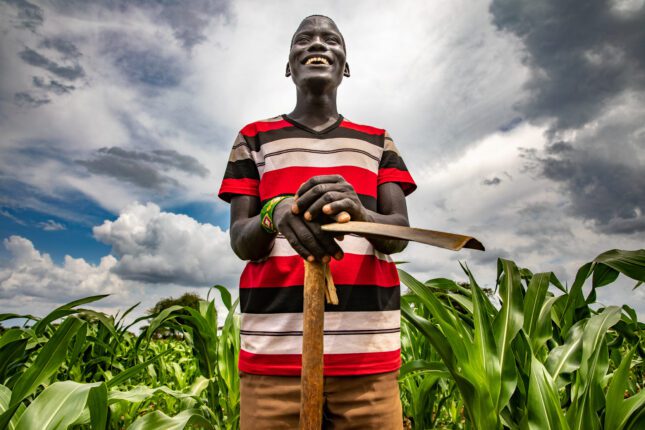
When the White House released the US Framework for Climate Resilience and Security in September 2024, it was an important opportunity to highlight the significant impacts of climate change on US national security, economic, and strategic interests. The Framework also emphasized the need for tailored approaches in fragile, conflict-affected, and vulnerable (FCV) contexts, particularly in managing and allocating resources, as well as ensuring that climate finance addresses conflict drivers.
-
The Story Behind Climate Security and What it Means for US Foreign Policy
›Hurricanes Helene and Milton battered the southeastern US in September and October and caused a combined estimate of $300 billion in damages. These storms were only the latest example of a cascade of disasters that is expected to worsen as climate change intensifies. Yet the impacts do not stop at dollars and human lives. Threats to security and stability also will multiply as rising temperatures increase the variability of rainfall patterns and the intensity of storms.
-
Finding a Place for “The Planetary?”
›One of academia’s latest buzz phrases is “the planetary.” While it may seem on the surface to lack a clear connection with climate security, a closer inspection suggests that this term does have significant relevance to discussions about this key concept.
Use of “the planetary” is an attempt to compel people to think much more carefully about the current human condition. The climate crisis—as well as the extinction event we are living through—are challenging contemporary notions that humans are somehow separate from nature. In short, a relatively stable world in which our infrastructure, economies, and modes of thinking remain rooted is no longer a useful construct.
-
The 2024 Emissions Gap Report: A Clarion Call for Mandatory Commitments?
›A new United Nations report calls upon countries to deliver drastically stronger action on climate change. “Emissions Gap Report 2024: No more hot air…please!” is intended to raise the alarm at a significant moment: less than a month before nations head to Azerbaijan for COP29, and just a few months before the preparation and submission of new nationally determined contributions (NDCs) next February ahead of COP30 in Brazil.
-
ECSP Weekly Watch | October 28 – November 1
›A window into what we’re reading at the Wilson Center’s Environmental Change and Security Program
COP16 Sees Action Against Biomass Subsidies (Mongabay)
In recent years, biofuel has gained tremendous popularity as an alternative to fossil fuels. Yet scientists have now demonstrated how burning forest biomass to produce energy emits more carbon emissions than coal when measured per unit of electricity generated. They also have evidence that forest-based products like wood pellets degrade carbon stores and biodiversity. It is a debate that has gained momentum in the ongoing COP16.
-
China’s First National Park: Managing Access and Benefits
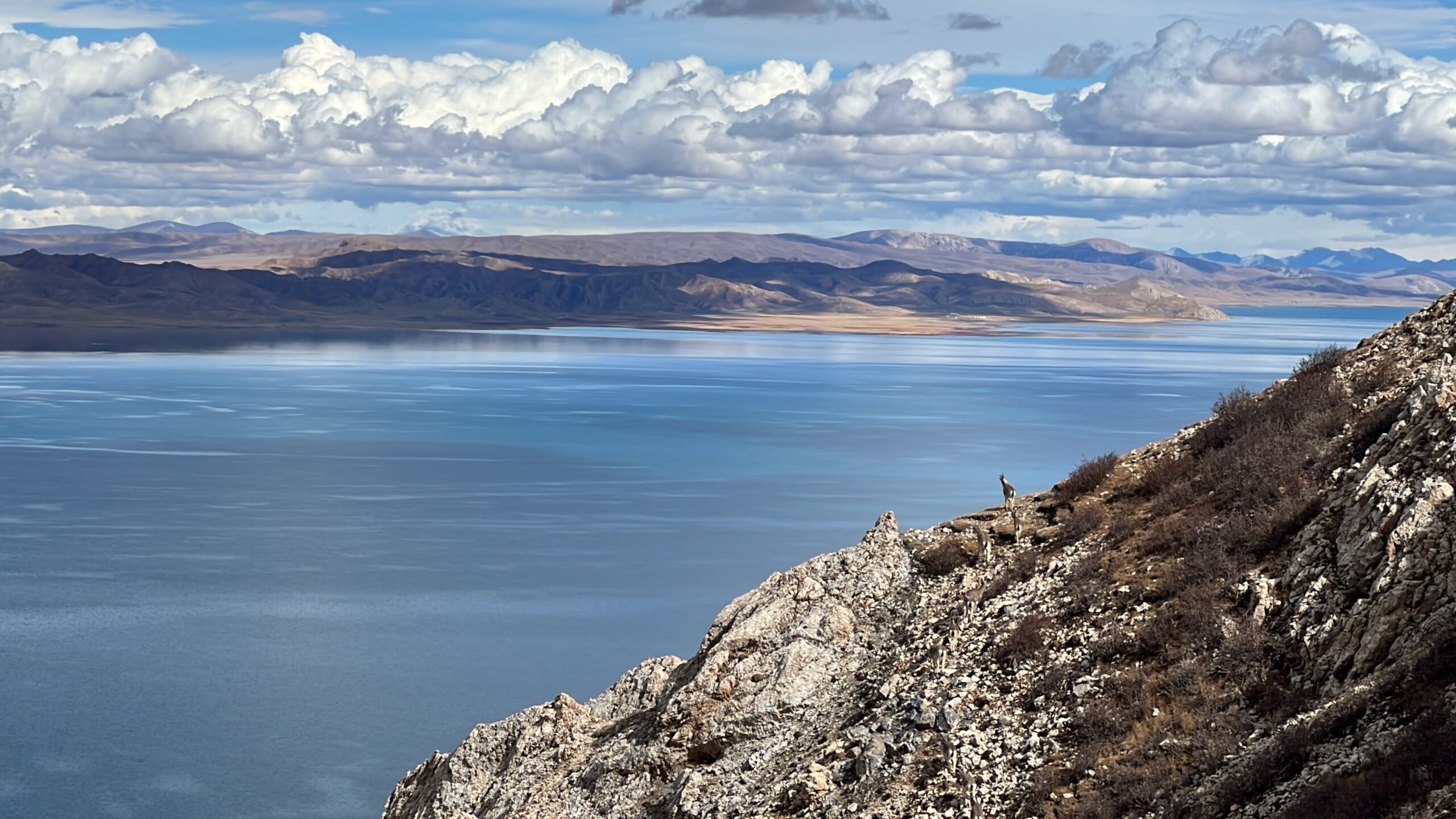
›Bharal (Himalayan blue sheep) near Donggecuona Lake near Madoi are well camouflaged – look closely to find the nine in the photo. As I hiked over the crest of a small hill near Donggecuona Lake in Madoi County, Qinghai Province, I startled a herd of over fifty bharal (Himalayan blue sheep) on the slope ahead of me. Some that were lying down suddenly scrambled to their feet. Others took a brief pause in their grazing to look up at me. I whispered to my guide Sonam Gyurme, “Look!”
-
The Arc | Climate Justice in the Arctic: Part 3
›In today’s episode of The Arc, ECSP’s Claire Doyle and Angus Soderberg interview Eva Maria Fjellheim, a southern Saami researcher at the Arctic University of Norway, for the final episode of our mini-series focused on climate justice in the Arctic. We explore Eva Maria’s research on strengthening Indigenous peoples’ land rights in the face of growing climate and clean energy projects. She shares insights from legal battles in Norway and connects the encroachment on Saami land to similar trends with Indigenous communities in Latin America and elsewhere. Eva Maria also discusses how current climate policies may be missing the mark by failing to truly respect Indigenous rights. Select quotes from the interview are featured below:
Showing posts from category environment.
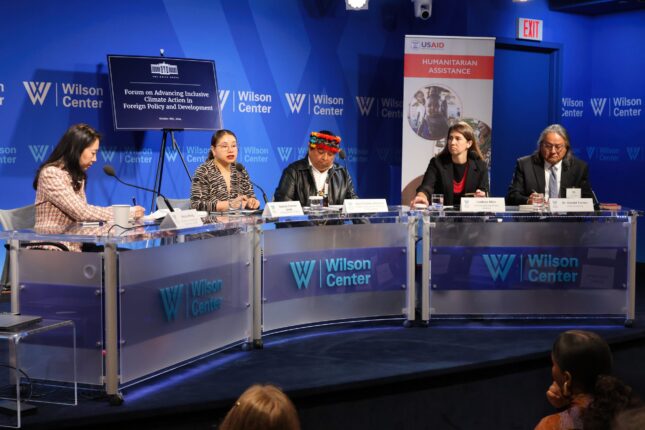 In today’s episode of The Arc, we are featuring a panel discussion on climate action through Indigenous and community power from the Forum on Advancing Inclusive Climate Action in Foreign Policy and Development, hosted by the Wilson Center in collaboration with the White House and USAID’s Bureau for Humanitarian Assistance, with support from the USAID Climate Adaptation Support Activity.
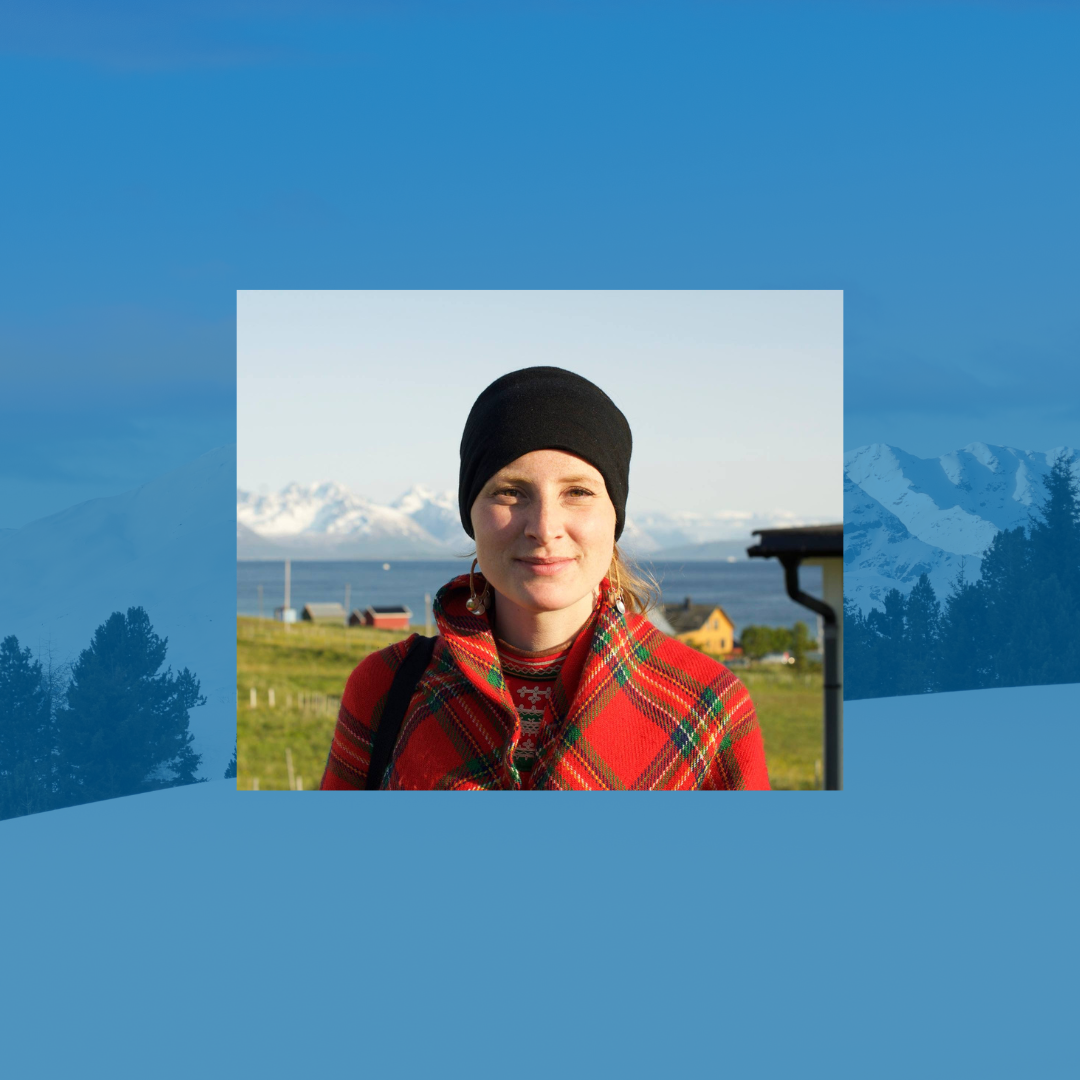 In today’s episode of The Arc, ECSP’s Claire Doyle and Angus Soderberg interview Eva Maria Fjellheim, a southern Saami researcher at the Arctic University of Norway, for the final episode of our mini-series focused on climate justice in the Arctic. We explore Eva Maria’s research on strengthening Indigenous peoples’ land rights in the face of growing climate and clean energy projects. She shares insights from legal battles in Norway and connects the encroachment on Saami land to similar trends with Indigenous communities in Latin America and elsewhere. Eva Maria also discusses how current climate policies may be missing the mark by failing to truly respect Indigenous rights. Select quotes from the interview are featured below:

