-
ECSP Weekly Watch | December 2 – 6
›
A window into what we’re reading at the Wilson Center’s Environmental Change and Security Program
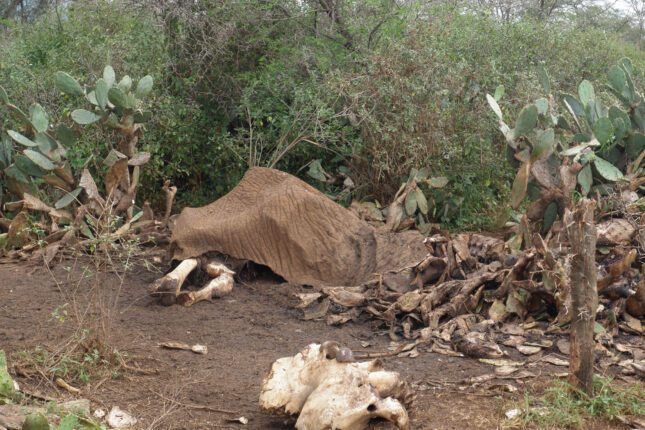
Famine Prevention Systems Prove Insufficient (Reuters)
The Integrated Food Security Phase Classification (or IPC) is a global partnership that monitors hunger levels. It is widely recognized for its five-phase classification system of food insecurity that ranges from “minimal” (Phase 1) to “famine” (Phase 5). While the IPC’s aim is to inform humanitarian organizations at an early stage of a crisis to allow them streamline the flow of aid, the worsening global hunger levels experienced this year have pointed to shortcomings in existing prevention systems.
-
US Agricultural Success Built on US-China Scientific Exchange
›China Environment Forum // Cool Agriculture // Guest Contributor // December 5, 2024 // By Karen Mancl
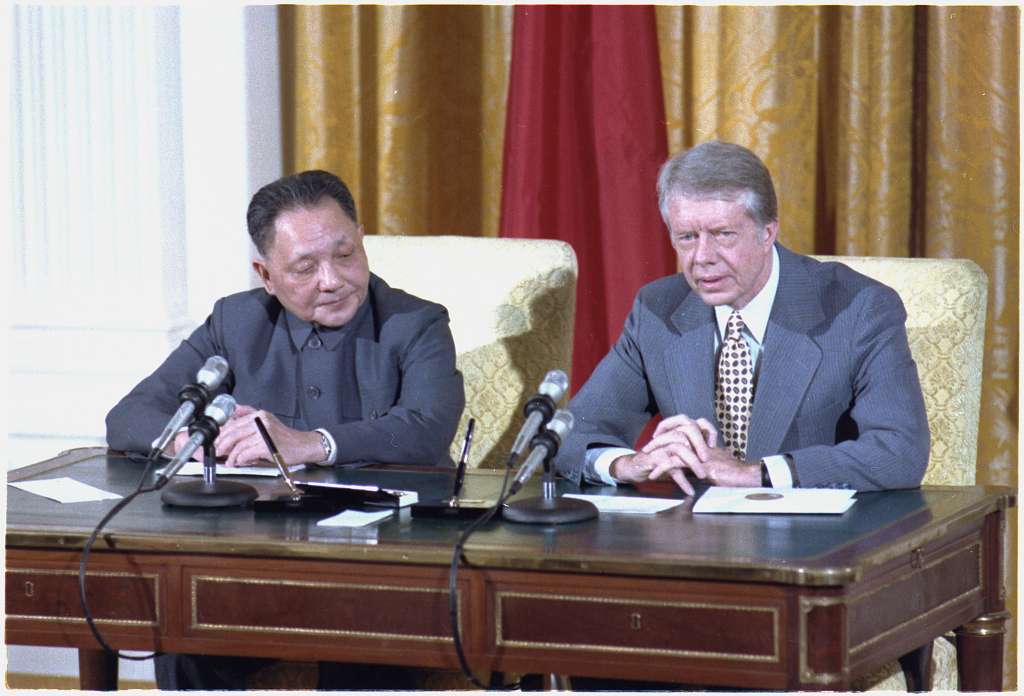
“History teaches that China and the United States gain from cooperation and lose from confrontation” was part of the congratulatory note from Xi Jinping to President-elect Trump. Xi also stressed both sides should continue to uphold “mutual respect, peaceful coexistence and win-win cooperation.” The cooperation between these two superpowers began in 1972 when President Richard Nixon and Premier Zhou Enlai signed the Shanghai Communiqué, years before they established diplomatic relations.
-
Children and Slaves are Mining our Critical Metals (and Not Just Cobalt)
›This article is adapted from Vince Beiser’s “Power Metal” newsletter.
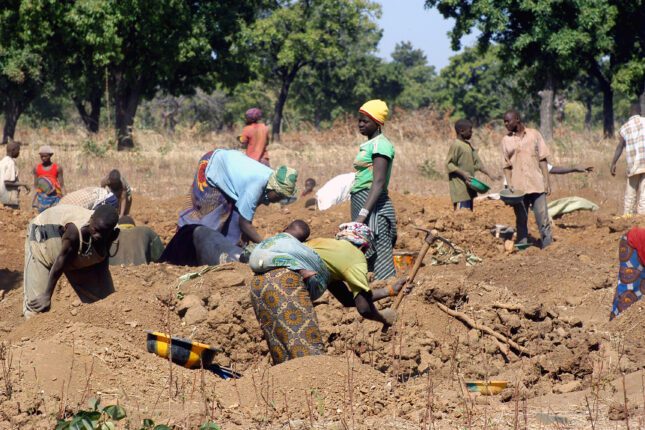
If you’ve heard anything about the dark side of the shift to renewable energy and digital tech—one of the main topics of my new book, Power Metal: The Race for the Resources That Will Shape the Future—you’ve probably heard about the children working in cobalt mines in the Democratic Republic of Congo (DRC). That particular outrage has been covered by major international news outlets, human rights organizations and another recent book, Cobalt Red. But it turns out there are many other places where children, as well as enslaved adults, are producing the metals that go into our electric cars and cell phones.
-
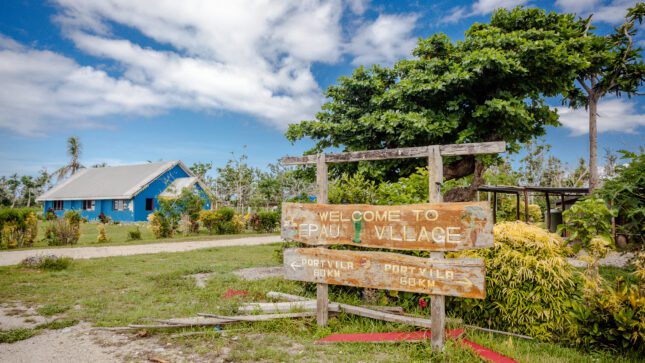
Guam and Vanuatu: Different Paths from Environmental Change to Human Insecurity
›Our present ecocrisis drives human insecurity. Single weather events killed hundreds in 2024, even in wealthy countries such as the United States or Spain. And beyond that staggering toll in human lives lurk staggering amounts of money required to repair and rebuild. In the United States alone, inflation-adjusted disaster-attributable costs have reached on average $153 billion each year. These factors and others make global environmental change a severe risk to human security.
-
Confronting Pronatalism is Essential for Reproductive Justice and Ecological Sustainability
›Pronatalism, the push for women to have more children, has elbowed its way into prominence in public discourse. In the United States, cultural and institutional pressures on women to bear children are articulated in various ways, from negative portrayals of women who don’t consider having a child a viable choice for themselves, to a burgeoning Silicon Valley subculture that advocates having “tons of kids” to save the world, to policy proposals that would further restrict reproductive choice or limit the voting power of the childless. The stigmatization of people without children and the recent rise in contemporary pronatalism is a global phenomenon.
-
The 2024 Montreal Climate Security Summit: Four Takeaways
›“I think we need to approach climate security completely differently,” said Sharon Burke, Founder and President of Ecospherics and Wilson Center Global Fellow, at the recent 2024 Montreal Climate Security Summit. “It’s not just that climate change is an opportunity cost in combat power, or that it’s effecting our bases and operating environment, or that it is an accelerant to instability. It is itself the threat.”
-
Swathi Veeravalli on the Importance of Climate Security for US Strategic Interests
›In today’s episode of New Security Broadcast, ECSP Program Director Lauren Risi sits down with Swathi Veeravalli on her last day as the Director for Climate Security and Adaptation at the National Security Council (NSC) to discuss the new US Framework for Climate Resilience and Security, its significance for the future of US security and economic interests, and what success in building climate security looks like over the next decade. -
Addressing Human-Wildlife Conflict in Ethiopia’s Protected Lands
›We are undoubtedly at the 11th hour for biodiversity. The World Wildlife Foundation recently reported that Earth saw a 70% drop in species populations over the last fifty years.
As global leaders convened at COP16 in Cali, Colombia in late October and early November, many of the most pressing threats to biodiversity and pathways to improving governance effectiveness were on the agenda. This year’s conference theme—“Peace with Nature”—offered an impetus for a deeper dialogue on the conflict-biodiversity nexus, which included the work of “Peace@CBD”: a community of NGOs, institutions, and individuals that promotes relationships between nature, peace, and conflict.
Showing posts from category environment.

 In today’s episode of New Security Broadcast, ECSP Program Director Lauren Risi sits down with Swathi Veeravalli on her last day as the Director for Climate Security and Adaptation at the National Security Council (NSC) to discuss the new US Framework for Climate Resilience and Security, its significance for the future of US security and economic interests, and what success in building climate security looks like over the next decade.