-
Food Security as a Driver for Sustainable Peace in Kenya
›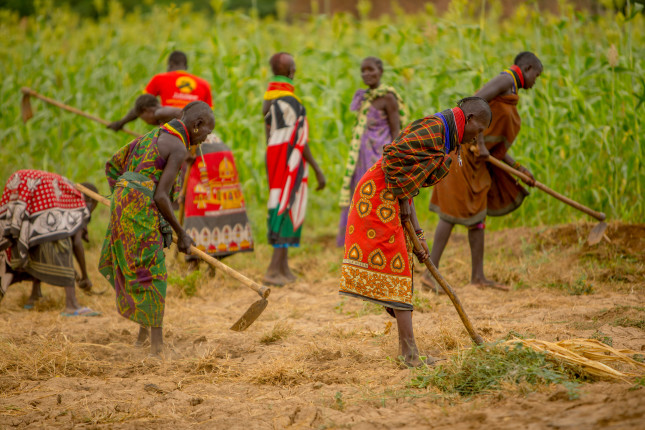
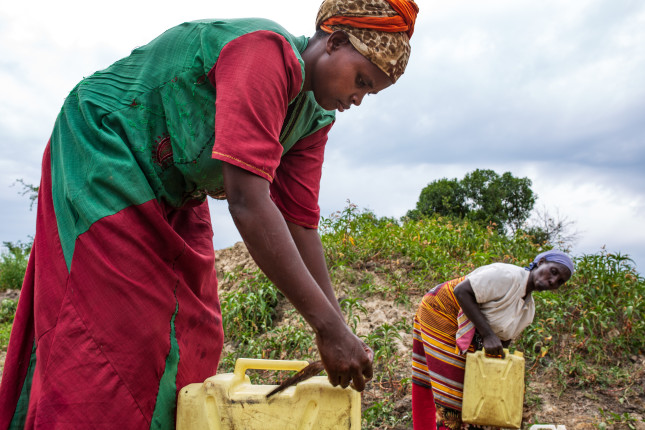
“The food system is complex; it is not just about food production,” said Florence Odiwuor, a Kenyan Southern Voices for Peacebuilding Scholar, at a recent event on the role of food security systems in sustainable peacebuilding in Africa hosted by the Wilson Center’s Africa Program. As a lecturer at the School of Agriculture, Natural Resources, and Environmental Studies at Rongo University, Odiwour observed that given the food system’s interconnectedness with issues like education, gender, finance, and labor, “disruptions or failures in the [food] system have caused a lot of conflict in [Kenya].”
-
Climate Security at USAID: (Re)defining an Integrative Issue
›
Climate security is an essential conceptual framework to understand the global interplay of biophysical and socioeconomic forces that threaten our planet. Indeed, it is so important that new currents of science, politics, and advocacy make refining definitions a necessity.
-
Fishing for Equity and Inclusion: Women’s Socioeconomic Factors in Kenyan Fisheries
›August 29, 2022 // By Margaret GatonyeSeeing Loreta sort and dry her Omena sardines at the shores of Lake Victoria in Western Kenya, one may dismiss this small, middle-aged woman as an ordinary fishmonger struggling to earn a living. -
Turning Power on its Head: A Meaningful Shift Toward Localization
›Of COVID-19’s many lessons, one is most critical to our collective next steps:
Business as usual in global health is no longer possible.
The pandemic exposed weaknesses in health systems across the world, and particularly in the delivery of equitable, high-quality reproductive, maternal, newborn, adolescent, and child health (RMNCAH) services. It also reinforced that effectively addressing these challenges requires rapid, responsive approaches driven and owned by countries and local institutions.
-
Confronting Seismic Shocks: New WQ Article Looks at “Russia’s War on Natural Resources”
›July 29, 2022 // By Claire DoyleWhen Russia struck a deal with Ukraine on July 15, there was hope that millions of tons of food would once again be able to flow from the embattled country. Under the agreement, brokered by Turkey and the UN, Russia would lift naval blockades and allow large-scale shipments of grain to leave Ukraine’s ports. -
Top 5 Posts for June 2022
›From climate change to COVID-19 and the war in Ukraine, the world is a landscape of increasing instability. Book-ending the Top 5 posts of June are two articles that explore different aspects of these converging risks. In the top post for June, Steven Gale and Mat Burrows write that globally, younger generations are becoming increasingly disengaged and discontent with their democratic governments, civil society, and institutions. Youth disillusionment is not a result of ignorance to current affairs, but rather a lack of faith in democratic institutions to address today’s most pressing global issues. Tackling youth disillusionment, suggest Gale and Burrows, begins with examining youth engagement trends and placing it at the top of the agenda.
-
Sustainable Partnerships: A Future for Maternal, Child Health, and Family Planning
›“Building strong and inclusive partnerships for maternal, newborn, child health, and family planning programs is not future work,” said Dr. Koki Agarwal, Director of USAID’s MOMENTUM Country and Global Leadership at a recent Wilson Center event. “It’s urgent and it’s ‘right now’ work.”
This exploration of country perspectives and expertise on improving maternal, newborn, child, and adolescent health and family planning programs was the third event in a series that placed regional experiences and voices in the foreground.
-
Top 5 Posts for May 2022
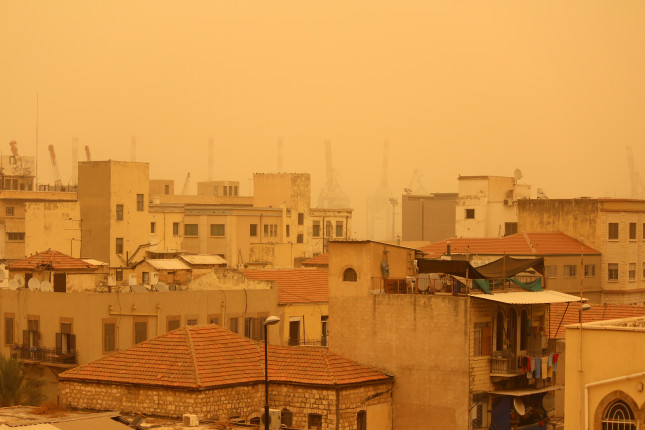
›In Iraq, climate change is adding stress to an already precarious situation. Weak public services, growing unemployment, fossil fuel-related environmental and health hazards, and other factors have generated high levels of social vulnerability and contributed to recent protests. In the top post for May, Dylan O’Driscoll and Shivan Fazil write about how, against this fragile backdrop, insecurity is heightened by increasingly deadly flash floods and more frequent dust storms that pose a public health threat.
Showing posts from category development.
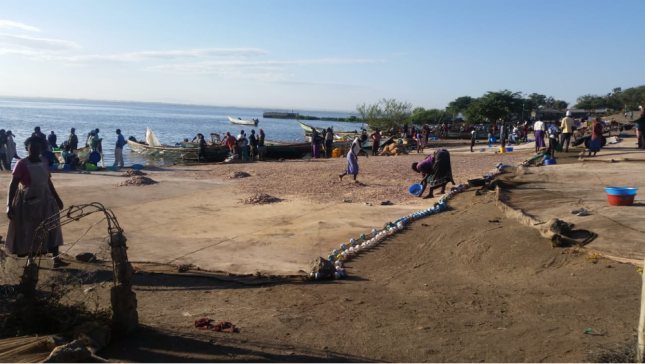 Seeing Loreta sort and dry her Omena sardines at the shores of Lake Victoria in Western Kenya, one may dismiss this small, middle-aged woman as an ordinary fishmonger struggling to earn a living.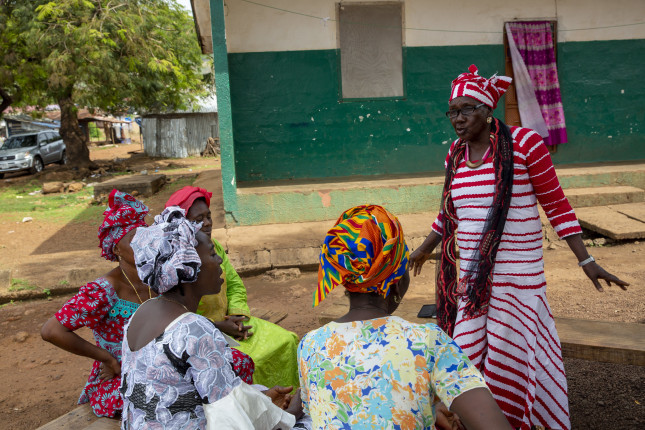
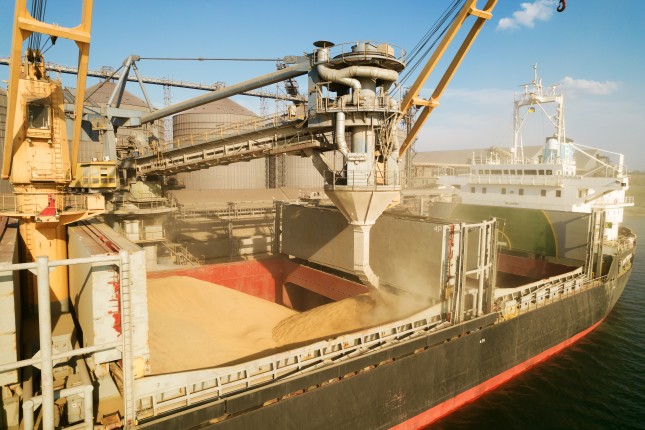 When Russia struck a deal with Ukraine on July 15, there was hope that