-
Women with Disabilities in Nigeria’s Mining Industry: Discrimination and Opportunities
›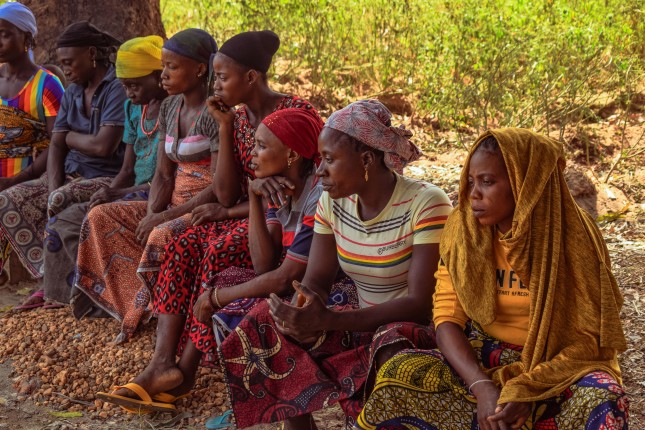
Women and girls with disabilities worldwide are subject to multiple forms of discrimination—a fact that the 2022 International Day for Persons with Disabilities brings into sharp focus. Yet while all people with disabilities (PWD) face exclusion and widespread stigma, women face the additional burden of exclusion from full participation in economic and cultural activities. Both forms of discrimination result from the collaboration of outdated laws and prevalent societal stigmatization.
-
Gender-Based Violence Continues to Impede Progress Towards Gender Equality
›
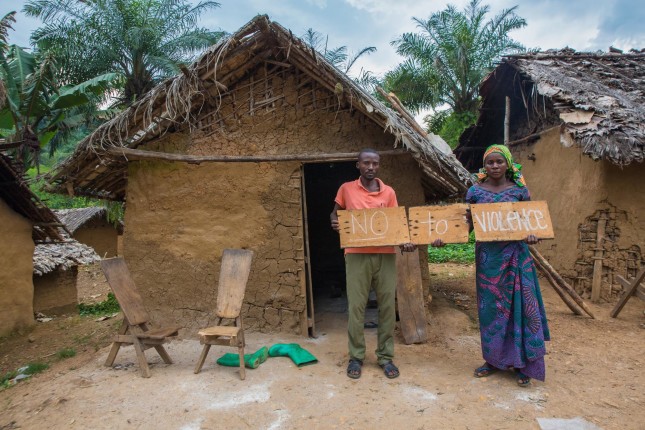
“COVID-19 and the backlash against women’s sexual and reproductive health and rights are further diminishing the outlook for gender equality,” states a recent report on the current progress toward gender equality across all 17 Sustainable Development Goals (SDGs) from the United Nations Entity for Gender Equality and the Empowerment of Women (UN Women) and the Department of Economic and Social Affairs. Yet the new report also zeroes in on another factor that is diminish progress on gender equality: violence. The authors observe that “violence against women remains high, global health, climate and humanitarian crises have further increased risks of violence, especially for the most vulnerable women and girls, and women feel more unsafe than they did before the pandemic.”
-
Answering the Amazon’s Call: Can the Private Sector Mobilize for its Protection?
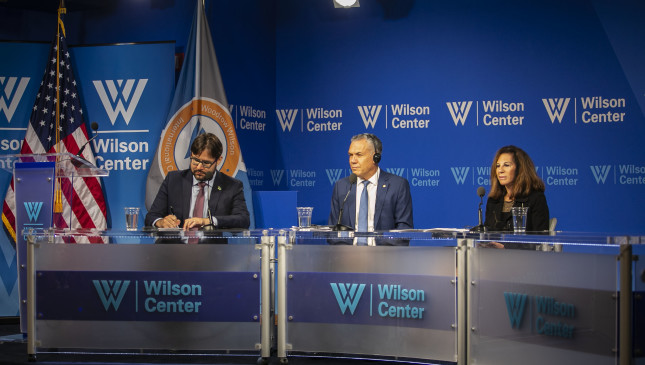
›Luiz Inácio Lula da Silva’s victory in Brazil’s presidential election on October 30, 2022—and his appearance at the COP27 summit on November 16—have put protecting the Amazon basin back on the agenda. Speaking at a Wilson Center event on November 4, Iván Duque Marquez, Former President of the Republic of Colombia and a Distinguished Fellow at the Center, highlighted why it was vital to counter the threat to this magnificent biome: “The Amazon is the most biodiverse area in the planet. The Amazon River discharges in one hour the same amount of fresh water that is consumed in a year by 7000 million people; and, at the same time, the Amazon in terms of size is twice the size of the EU and is larger than the United States without Alaska.”
-
One Earth, one security space: from the 1972 Stockholm Conference to Stockholm+50 and beyond
›The 1972 United Nations Conference on the Human Environment marked a watershed in world environmental politics. Gathered in Stockholm, Sweden, the international community collectively recognized that the technologies and economic models that enable modern development were also driving unsustainable environmental degradation, compromising the vital natural systems on which human well-being depends.
-
Creating a Just Transition in Green Minerals: A New Video from the Wilson Center and its Partners
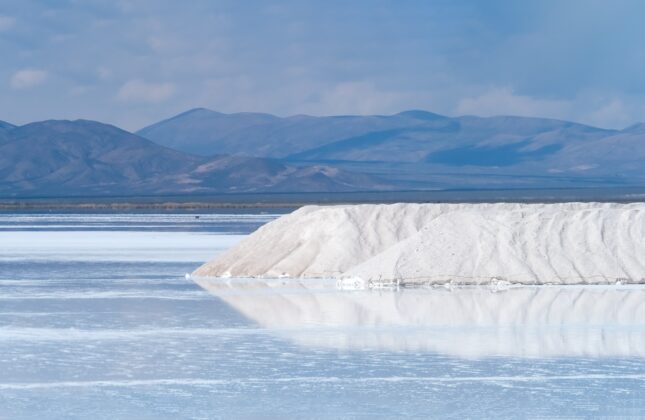
›We need minerals to build the solar panels, wind turbines, and other technologies that will decarbonize our economies—and we need a lot of them. The World Bank estimates that demand for lithium, cobalt, and graphite could jump by as much as 500 percent by 2050. Yet mining for these resources has had a fraught history, and it continues to be associated with a hefty list of human rights and conflict risks, including violence, child labor, poor working conditions, land rights abuses, environmental damage and pollution, and a lack of community participation. -
Investing in Women and Girls is Central to Addressing Root Causes of Migration from Guatemala
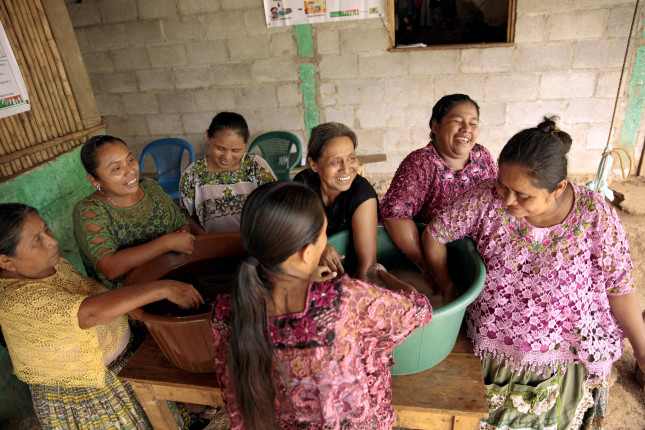
›In recent years, a growing proportion of migrants at the US southern border have come from Guatemala, El Salvador, and Honduras. This surge of migrants from Central America has prompted the U.S. government to seek to better understand and address the root causes of migration from the region. One substantive response came in July 2021, under Executive Order 14010, when the Biden-Harris Administration released what has become known as the Root Causes Strategy. The White House pledged to commit $4 billion over four years on efforts to address drivers of irregular migration from these three countries.
-
The Complex Dance Around China’s Overseas Projects
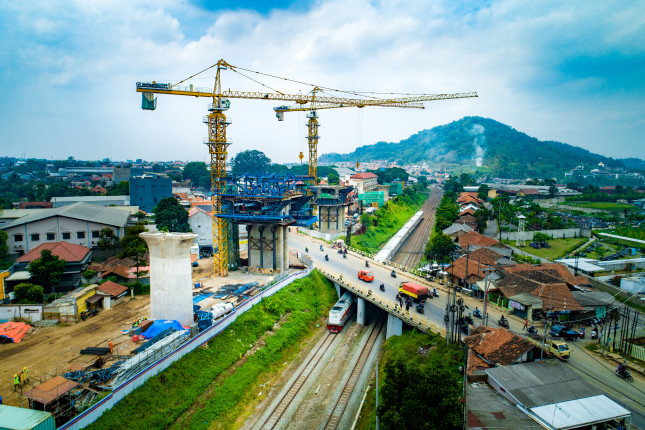
›China Environment Forum // Guest Contributor // Vulnerable Deltas // October 6, 2022 // By Alvin Camba & Victoria Chonn ChingChina dominates the world in its overseas development finance into power plants, mines, dams, and other infrastructure. However, while many projects sail through, a good many get stalled. The results have less to do with Beijing and more with the strength of the host country partners. There is a complex dance between governments, elites, and bureaucrats to win the best “deal” with China, including Belt and Road Initiative (BRI) projects. These deals may benefit not just the economy, but also may empower one of these three actors.
-
Protecting Human Rights in DRC Cobalt Mines: A U.S. Priority in a Green Transition
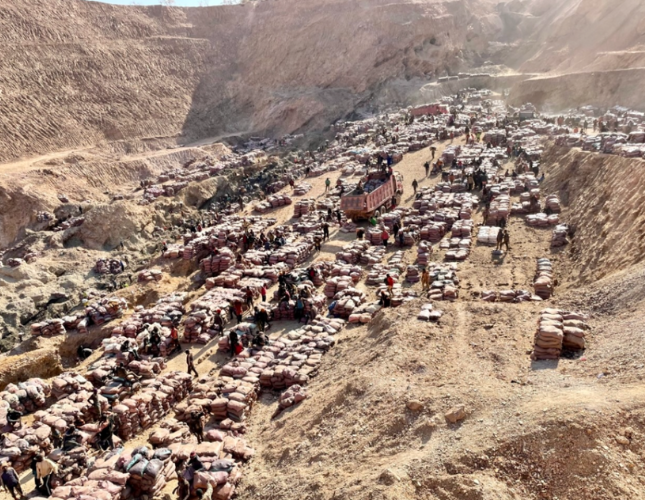
›Secretary of State Anthony J. Blinken recently reaffirmed the Democratic Republic of Congo (DRC)—a nation located in Africa’s heart—as a “geostrategic player and critical partner” for the United States. It is a country that features prominently in climate change discussions, not only because of its vast natural resources (including mineral wealth estimated to be the largest in the world, as well as possession of a forest cover second only to the Amazon Basin), but especially due to its cobalt reserves.
Showing posts from category development.