-
Intersecting Challenges Require Multisectoral Solutions: A Conversation with Charles Kabiswa
›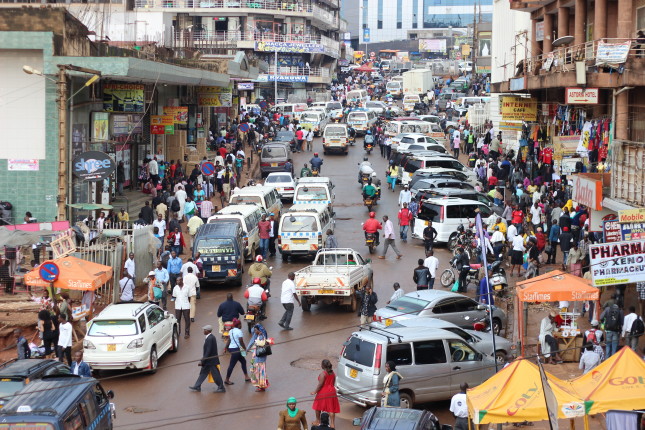
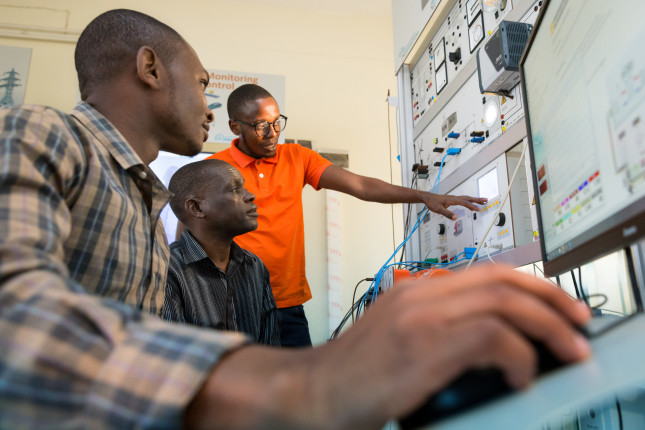
The impacts of a changing climate touch every region of the globe, but they are acutely felt by people in Uganda, where floods, droughts, and shifting rainfall patterns disrupt agricultural productivity, livelihoods, and the health and well-being of millions of people. According to the ND-GAIN index, Uganda is the 13th most vulnerable nation in the world, and action there is urgently needed to better prepare for and adapt to climate change’s impacts.
-
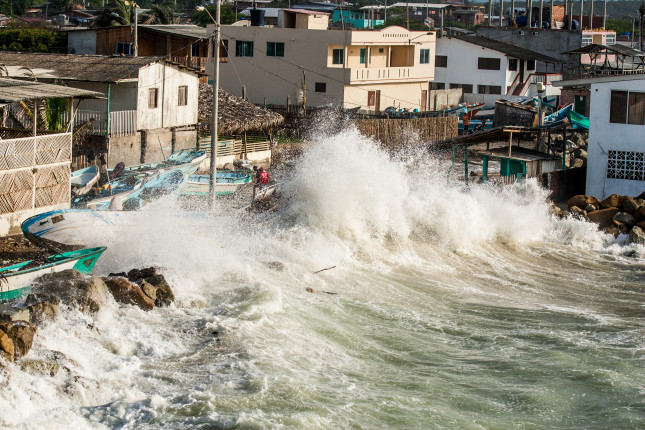
Climate and Coastal Adaptation: The Need for Urgent Planning
›
The latest report from the UN’s Intergovernmental Panel on Climate Change highlights the small window of opportunity available to achieve climate resilient development, despite the growing risks of reaching tipping points. Environmental advocates argue that the UN’s warnings should remain front-and-center, including those that highlight worsening climate trends already experienced by developing nations.
-
What Will Change at the World Bank Mean for Climate Policy?
›World Bank President David Malpass announced his resignation in mid-February 2023, and will step down by June 2023—about a year before finishing his five-year term. As several public officials indicated after the announcement, the climate legacy Malpass leaves behind is lacking. Indeed, the Bank itself has also been under scrutiny with recent calls for reform on climate finance.
The Biden Administration quickly announced Ajay Banga as their nominee in mid-February. If confirmed, Banga will step into this role in a high-profile moment, and his own stance on climate issues is already under close examination.
-
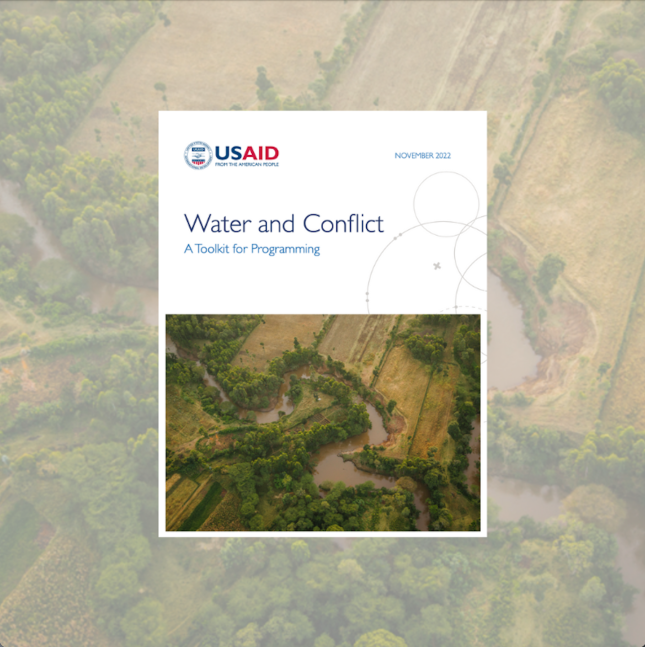
USAID’s Revised Water and Conflict Toolkit
›Links between water and conflict seem to crop up everywhere one looks these days. The Horn of Africa will soon face a sixth consecutive failed rainy season in 2023—its worst drought on record. Not only is this drought a consequence of global climate change, but it has also led to widespread food shortages and local civil conflicts. And over the past year in Ukraine, Russian troops have directly damaged that nation’s already vulnerable water systems, including pipelines, pumping stations, and treatment facilities. These repeated attacks on water infrastructure have not only undermined local livelihoods in Ukraine, but they have also polluted surface waters and threatened biodiversity.
-
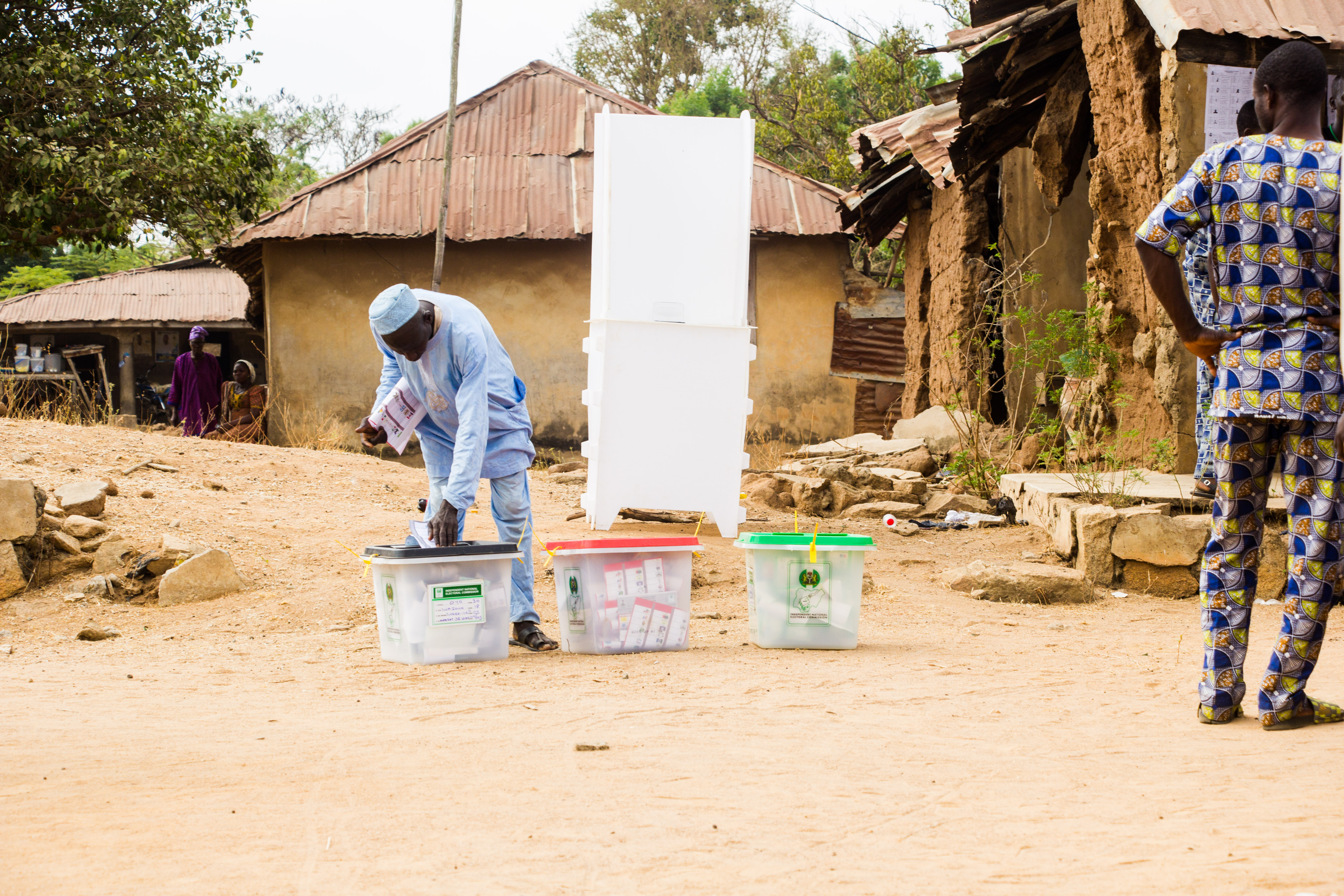
Climate, Poverty, Democracy: What Is at Stake in Nigeria’s 2023 Election?
›On February 25, Nigeria will hold its presidential election. The stakes of this ballot could not be any higher—especially for the climate. Climate change is an existential and current reality in Nigeria, and the coming decade will be crucial to meet the nation’s sustainable development goals. It will take political will to make climate justice a reality, and Nigerians now have the opportunity to choose leaders who will either make or mar the action to address this threat.
-
Diversity, Equity, Cities: Reshaping Foreign Affairs for a New Era
›One can see—and feel—tides shifting significantly on numerous fronts across the globe, especially in the area of climate security. Opportunities and challenges abound—especially for urban communities.
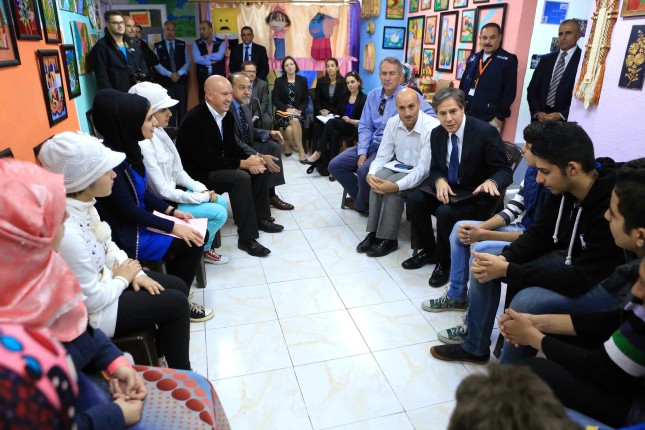
But are those who shape and carry out U.S. foreign policy ready for these extraordinary changes? And how can the growing movement to integrate diversity, equity, inclusion, and accessibility (DEIA) become vital in U.S. foreign affairs?
-
Water @ Wilson Event | Water, Peace, & Security: New Tools for a New Climate
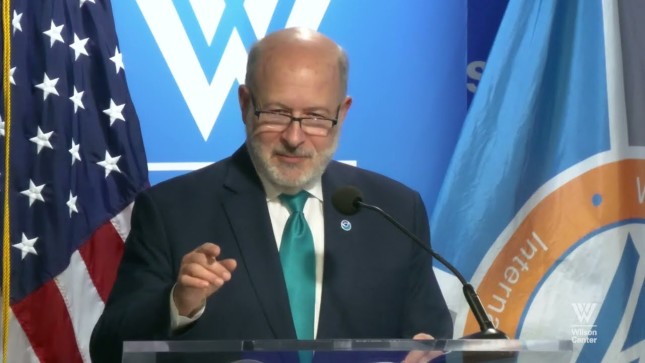
›Water sustains life on our planet. And access to clean and safe water is foundational to society. So why has it only been in recent years that water has risen to the top of discussions of climate and security? Richard W. Spinrad, the Under Secretary of Commerce for Oceans and Atmosphere and NOAA Administrator, says that one of the biggest reasons is the major impact that climate-related changes in precipitation like droughts and extreme rainfall are having across the globe: “We’re starting to see things like we’ve never seen before. The nature of storms is changing: We saw five feet of rain fall in Hurricane Harvey. Five feet.” -
Buen Vivir in Ecuador: An Alternative Development Movement for Social and Ecological Justice
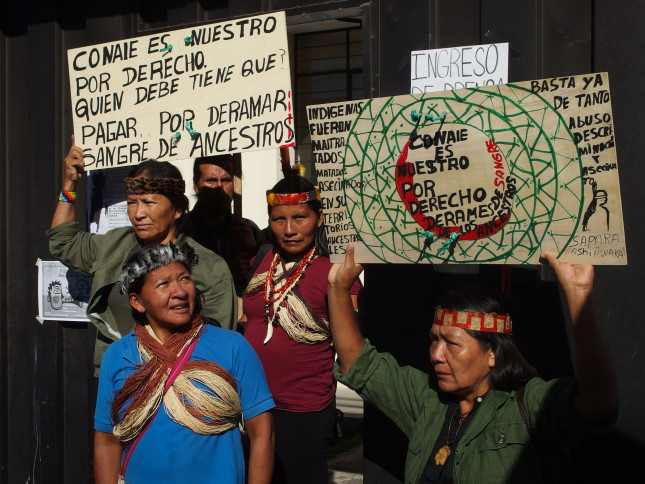
›China Environment Forum // Guest Contributor // Vulnerable Deltas // December 8, 2022 // By Yiran NingEarlier in 2022, Ecuador’s capital was left “virtually paralyzed” after some 14,000 people, mainly Indigenous Ecuadorians, participated in 17 days of sometimes violent nationwide protests. The actions forced the Lasso government to the negotiating table for a 90-day dialogue with Indigenous leaders. By early September, the parties signed a temporary moratorium on the development of oil blocks and the allocation of new mining contracts.
Showing posts from category development.