-
Chile’s Conundrum: Will Saving a Desert Hinder Global Energy Transition?
›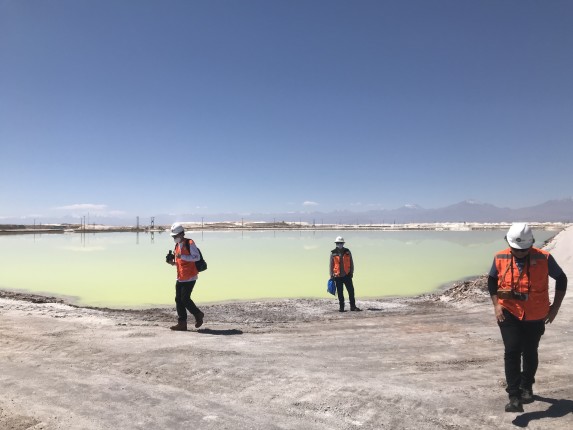
Cristina Dorador has decided that science is not enough. The Chilean microbiologist’s decades of research have convinced her that the unique ecosystem of her country’s Atacama desert is threatened by ever-expanding lithium mines. She has spent years trying to convince the nation’s leaders to protect the place, with little success.
Now, she’s seizing a historic opportunity: Her election to Chile’s constitutional assembly in 2021 has given Dorador a chance to try to change not only Chile’s lithium industry, but the country’s whole approach to natural resources. But will her endeavor have broader implications for the worldwide shift to renewable energy?
-
Disillusioned Youth: A Danger to Democracy
›
Global risks abound these days, from climate change to the next pandemic, as well as acute supply chain disruptions, energy shortfalls, and cybersecurity threats. These challenges play out in a landscape of immense political instability fomented by the Russian Federation, the People’s Republic of China, Iran and others, as well as dangers looming in the potential state collapse of countries like Afghanistan, Yemen, and Sudan. Taken together, the risk tally of our moment is mounting quickly.
-
Top 5 Posts for April 2022
›As the world reels from the Russian invasion of Ukraine, the pandemic, climate shocks, and other crises, strategic future planning is more important than ever. In April’s most-read article, Steven Gale points to a source of hope in the suite of inclusive, “future-forward” initiatives that are unfolding under UN leadership, from risk reporting to impact assessments and youth engagement. These activities, encompassed by the UN’s Our Common Agenda, represent a global collaborative effort to map future risks and identify policy options in service of long-term well-being for people and the planet. -
An Earth Day Appeal for Sustainable Market Solutions
›April 22, 2022 // By Roger-Mark De SouzaGlobal insecurity driven by the conflict in Ukraine and pandemic-induced instability has come powerfully into confluence to increase threats to livelihoods across the world.
What can we do to stem the tide? This Earth Day is an opportunity to rally for action that will help us all face such challenges now and in years to come. One of the most powerful ways to do so is to solidify and expand the reach of sustainable markets. There are a number of ways that this process can begin right now.
-
What Next for Climate Security? Implications From IPCC Working Group II 6th Assessment Report
›The recent Intergovernmental Panel on Climate Change (IPCC) 6th Assessment Report (AR6) from Working Group II (WG2): Impacts, Adaptation and Vulnerability presents the stark implications of climate change. At today’s warming level of 1.1°C, a wide range of impacts to people and nature are attributed to human-caused climate change, including hindering progress on the Sustainable Development Goals (SDGs), damaging infrastructure and economic activities, harming human health and causing excess deaths, and increasing humanitarian needs. Some impacts, like those on sensitive ecosystems, are already irreversible. The more vulnerable are hit harder, due to pre-existing structural conditions that increase their exposure and sensitivity to hazards.
-
The Climate Solutions That Play Double-Duty
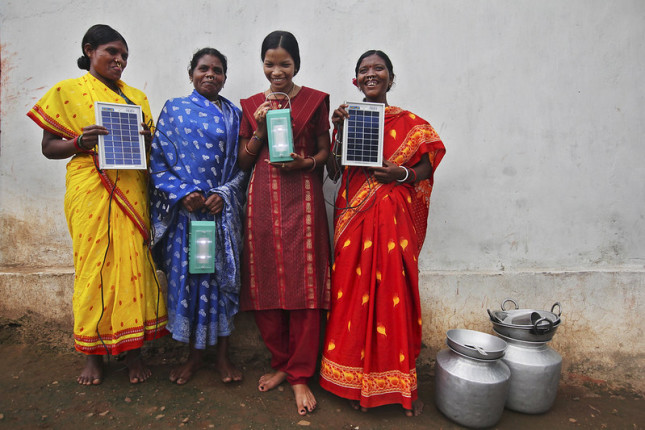
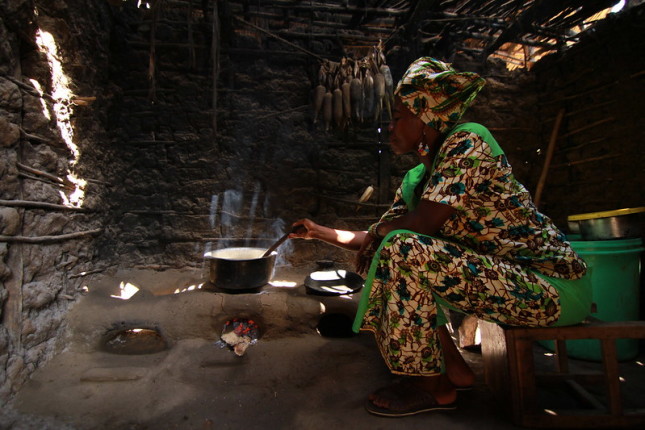
›Finance for climate action is growing—however, much of this money is being invested in wealthier nations, while the regions where funds are needed most are often overlooked and underfunded by both public and private institutions. The good news for funders is that there are climate solutions that not only significantly reduce greenhouse gas emissions, but also create cascading social and public health benefits for communities on the frontlines of the climate crisis. For those looking to get the biggest return on their investment—for both people and planet—we offer two particularly promising solutions: ramp up funding for clean cooking and electricity where they matter most.
-
United Nations Advances Strategic Foresight: Breakdown or Breakthrough Scenarios?
›Last September, Secretary-General António Guterres outlined the United Nation’s Our Common Agenda in a speech to the General Assembly. His remarks focused on the future of global cooperation for the next 25 years. It was imperative, he messaged, to recognize that our accelerated interconnectedness, and the formidable challenges we all face, can only be addressed through a reinvigorated multilateralism, with the United Nations at the core of collective member efforts. We must think big, act swiftly, and work effectively, he said, to reshape how we move forward today to achieve the goals of the UN declaration commemorating the 75th anniversary of the United Nations.
-
New Security Brief | Converging Risks: Demographic Trends, Gender Inequity, and Security Challenges in the Sahel
›Security conditions in the Sahel are rapidly deteriorating. Since 2016, the region has witnessed a 16-fold increase in terrorist attacks. In Burkina Faso, Chad, Mali, Mauritania, and Niger, 10.5 million people are facing starvation, and with climate-related disasters increasing and intensifying in the region, food insecurity is projected to rise. Against this backdrop, rapid population growth is outpacing governments’ ability to provide access to basic services. These pressures have transformed the central Sahel into the epicenter of a forced displacement crisis, with dire long-term and global humanitarian consequences that reverberate well beyond the region’s borders.
Showing posts from category development.
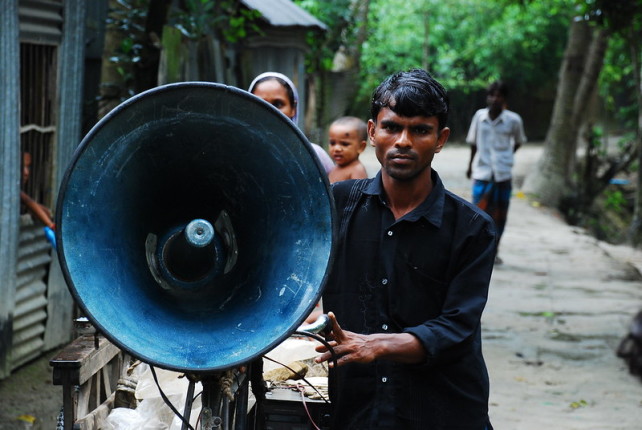 As the world reels from the Russian invasion of Ukraine, the pandemic, climate shocks, and other crises, strategic future planning is more important than ever. In April’s most-read article, Steven Gale points to a source of hope in the suite of inclusive,