-
Environmental Defenders Are Being Murdered at an Unprecedented Rate, Says UN Special Rapporteur
›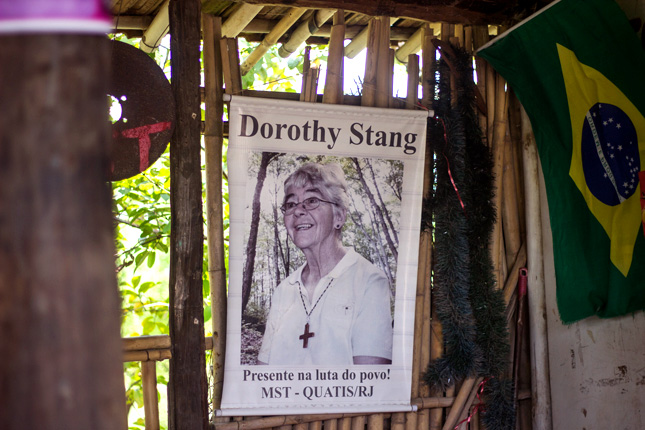
The Earth’s front-line defenders are disappearing at an astonishing rate. On average three environmental activists were killed each week in 2015, according to a recent report from the United Nations special rapporteur on the situation of human rights defenders. Global Witness, an international NGO that documents natural resource extraction, corruption, and violence, reports a 59 percent increase in deaths last year compared to 2014. In total, 185 killings of environmental defenders were recorded by Global Witness in 2015.
-
Beyond the Headlines: Understanding Climate Change, Migration, and Conflict (Report Launch)
›
As Syria has collapsed, spasming into civil war over the last five years, the effects have rippled far beyond its borders. Most notably, a surge of refugees added to already swelling ranks of people fleeing instability in Afghanistan, Iraq, Pakistan, and sub-Saharan Africa, leading to the highest number of displaced people since the Second World War. At the same time, scientists have noted record-breaking temperatures, a melting Arctic, extreme droughts, and other signs of climate change. For some, an obvious question is: what does one have to do with the other?
-
Masculinity Under the Microscope: Better Accounting for Men in Climate Adaptation
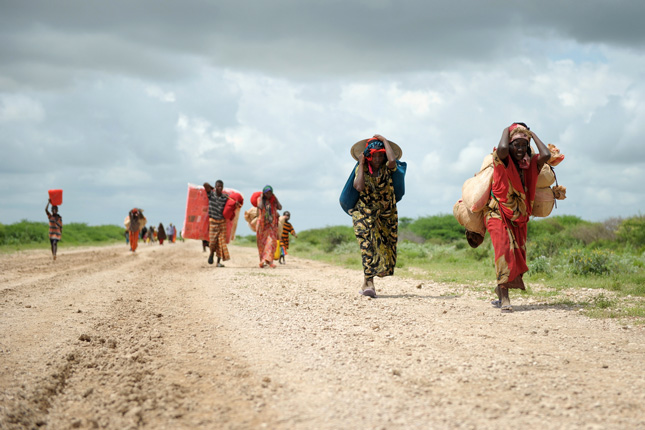
›December 13, 2016 // By Anam Ahmed“Before the famine my life was better. I was a man in my own country,” Abdi Abdullahi Hussein, a Somali refugee living in Kenya, tells The Climate Reality Project. “When you have livestock and a farm and it all disappears, it feels like falling off a cliff.”
-
Land Privatizations, Not Just Climate Change, Are Costing Rural Kenyans
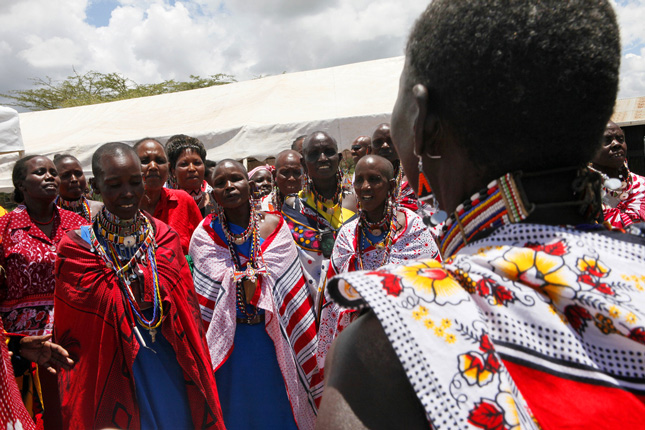
›Eddah Senetoi lives with her son in the small pastoralist community of Elangata Waus. They keep cows, goats, sheep, and donkeys to buy food and pay school fees. For her and other pastoralists living in southern Kenya’s Kajiado County, climate change is compounding challenges from land subdivision and privatization, and magnifying social tensions and community conflicts over access to resources.
-
Navigating Complexity: Climate, Migration, and Conflict in a Changing World
›Record levels of displacement and accelerating climate change have prompted many to wonder if the world is headed toward a more violent future. The nexus of climate change, migration, and conflict is posing fundamental challenges to societies. But not always in the ways you might think. In a new report prepared for the U.S. Agency of International Development, Lauren Herzer Risi and I present a small guide to this controversial and consequential nexus of global trends.
-
Getting to Sustainable Palm Oil: A Hardware and Software Approach to a Market Problem
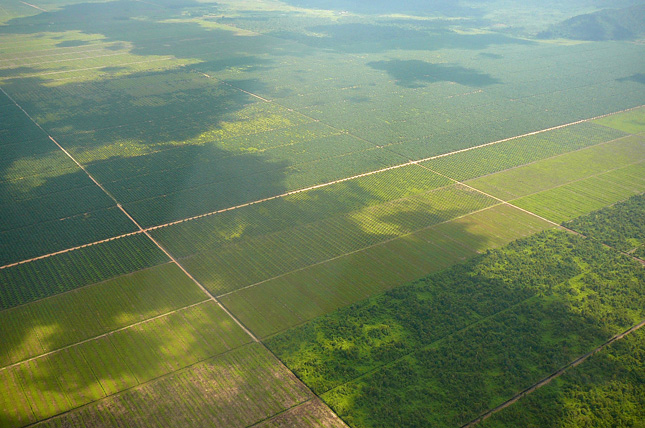
›The palm oil sector is at a crossroads. Despite growing awareness of its massive effects on deforestation, the largely unregulated and decentralized industry has struggled to adopt, follow, and document rigorous sustainable sourcing standards.
-
After the Landslide: A Closer Look at Loss and Damage in Nepal
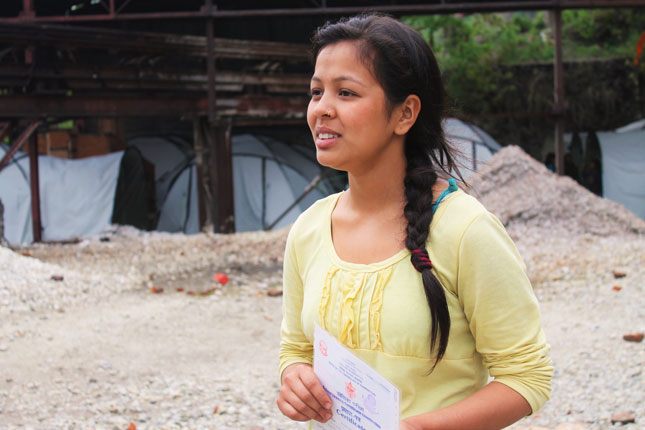
›It had been raining for two full days when the landslide came. Nirjala Adhikari vividly remembers the instant it hit her village in Sindhupalchok District, Nepal. “It was a very scary moment, and I couldn’t think of anything else than grabbing my mobile phone and my school certificate before I ran out of the house,” she recalled. “I secured my certificate because only this will help me establish a bright future.”
-
UN Agency Calls for Global Transformation of Agriculture in the Face of a Changing Climate
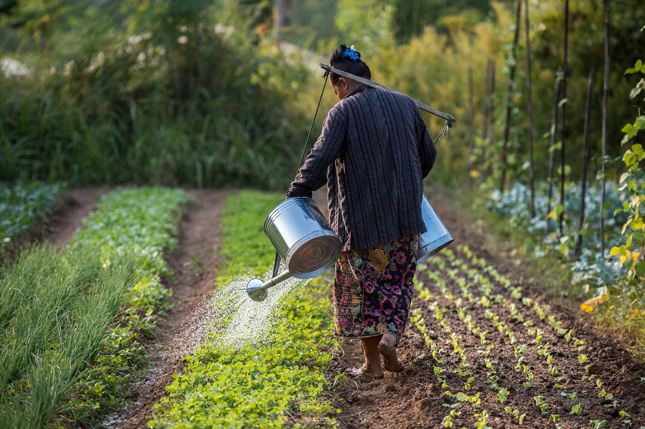
›November 15, 2016 // By Sreya PanugantiA recent report by the UN Food and Agriculture Organization (FAO) warns that over the next 15 years, climate change will add to the number of people living in poverty via its effects on the agriculture and food sectors. By 2030, climate-related effects on food-related livelihoods could lead to an additional 35 to 122 million impoverished people, according to the 2016 State of Food and Agriculture Report.
Showing posts from category land.