-
History’s Largest Generation Isn’t Getting the Health Care It Needs to Thrive
›
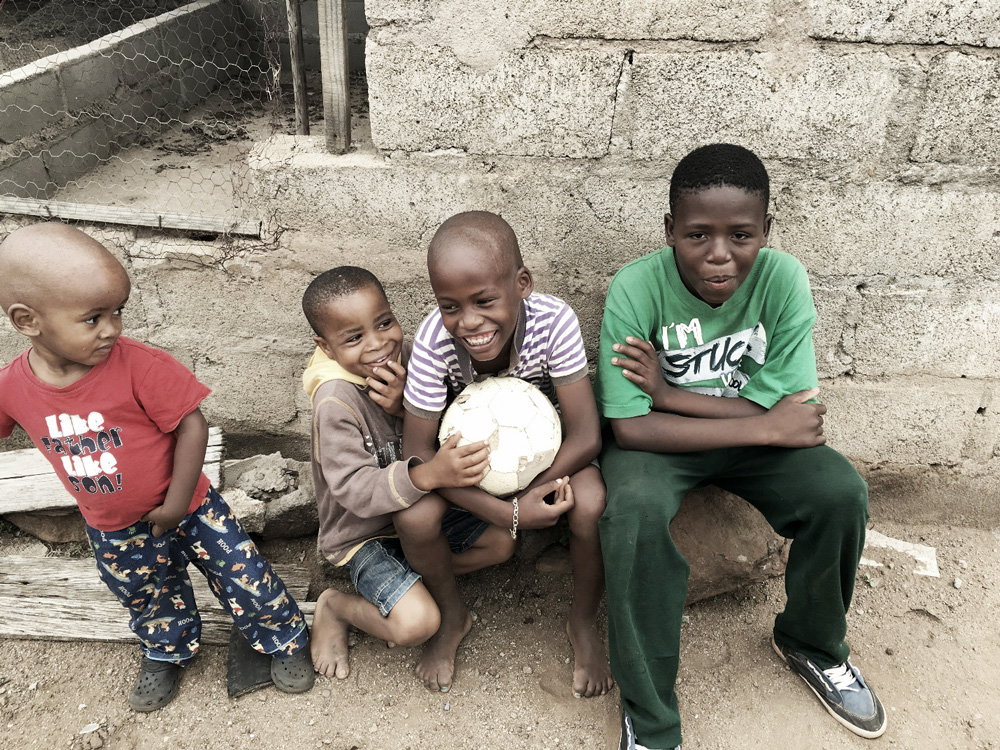
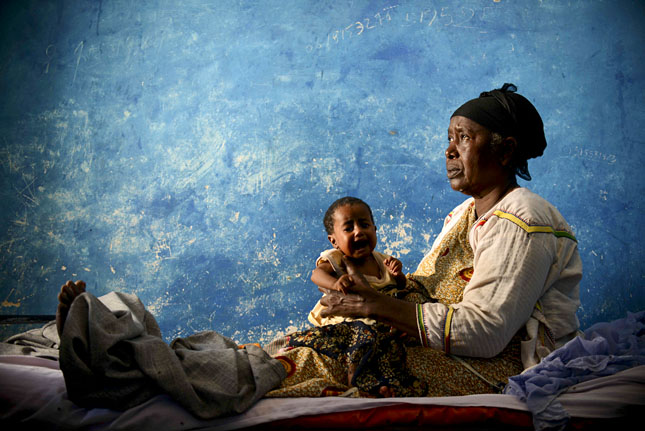
At 1.8 billion strong, the current generation of 10 to 24 year olds is the largest in human history. Approximately 90 percent of these adolescents live in less developed countries. This poses an unprecedented challenge for health systems and social policies which largely struggle to meet the unique needs of young people, according to a new Lancet commission.
-
What Makes Agriculture Vulnerable to Climate Change, and the Mortality Effects of Fruit and Vegetable Scarcity
› Gains in food production and increased awareness of global food security are threatened by looming losses due to climate change, according to a study published in The Lancet. Marco Springmann et al. calculate that climate change will lead to a 3.2 percent reduction in global food availability per person by 2050, driven by changes in weather patterns, increasing frequency of extreme weather, and potential social disruptions to food production like disease and conflict.
 -
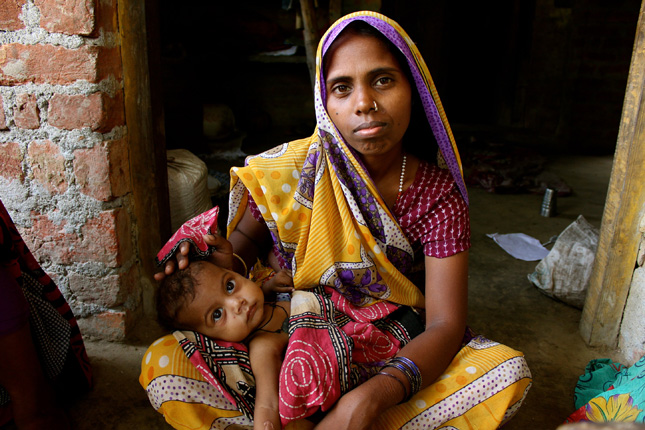
In Cities, the New Battlefield for Sustainable Development, Women and Girls Need Help
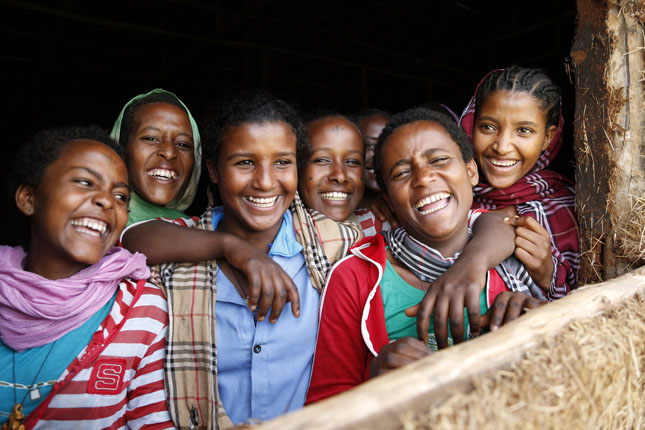
›Last month, the world came to Copenhagen to focus on how to achieve the Sustainable Development Goals (SDGs) for girls and women. The Women Deliver Conference, the largest gathering on girls’ and women’s health and rights in the last decade, was a huge success. Convening over 5,700 likeminded people from 169 countries was important to reenergize the movement and inspire action. Preaching to the converted is sometimes important. But now it’s time to focus on those who are not yet converted.
-
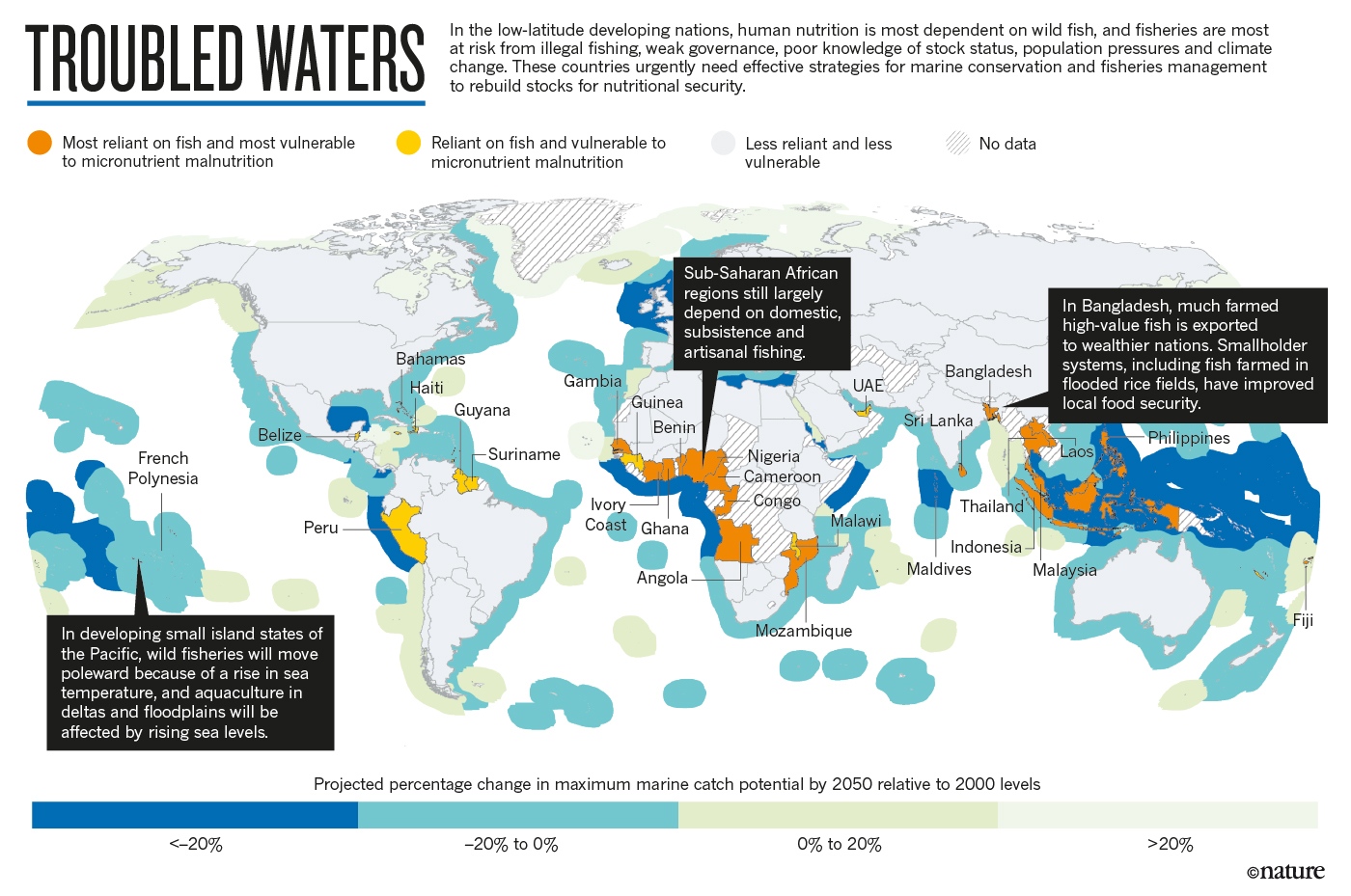
Christopher Golden et al., Nature
Declining Fisheries Threaten Micronutrient Deficiencies for Millions
›June 17, 2016 // By Wilson Center StaffHow will the 10 billion people expected to be living on Earth by 2050 obtain sufficient and nutritious food? This is one of the greatest challenges humanity faces. Global food systems must supply enough calories and protein for a growing human population and provide important micronutrients such as iron, zinc, omega-3 fatty acids, and vitamins.
-
Four Cattle and a Farm: On Finding More Inclusive Solutions to Climate Change
›As early as 1911, coal miners in Britain carried caged canaries into mining pits. Any sign of distress from the small birds, which are incredibly sensitive to the presence of harmful gases such as carbon monoxide, meant immediate evacuation. Today’s canaries in the coal mine are low-income, minority communities whose exposure to environmental risks in the United States and elsewhere puts them at the frontlines of the global climate crisis.
-
Singapore and the Climate Dilemma: There’s No Way to Go it Alone
›Anyone visiting Singapore, as I did recently, quickly realizes it is exceptional. A tiny, rich, stable city-state of nearly 6 million people perched uneasily in a region of sprawling mega-countries full of poverty and instability, it also a thriving free market trading and financial center that is meticulously planned and where 80 percent of people live in public housing.
-
From Chicago to India, Journalist Tracks Long-Lasting Effects of Childhood Malnutrition in ‘First 1,000 Days’
›After more than a decade studying the wide-ranging effects of poor nutrition on children, former Wall Street Journal reporter Roger Thurow is outraged. Now he wants to inspire action.
-
Global Population and Reproductive Health (Book Preview)
›Population, reproductive health, and environmental sustainability are inextricably linked. Growing populations place increasing demands on the environment, while meeting the reproductive health needs of populations usually slows their growth. Often, however, policymakers, scholars, and journalists discuss these issues separately, as if unrelated.
Showing posts from category global health.