-
Alix Bacon on Building a Global Community of Midwives
›
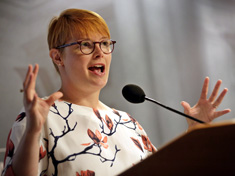
The fourth global Women Deliver conference in May brought nearly 6,000 experts and advocates to Copenhagen to address the health and rights of women and girls, including a small group of young midwives who attended a symposium beforehand. “I went in a little bit skeptical,” says Alix Bacon, president of the Midwives Association of British Columbia and one of 32 women under 35 who received a scholarship to attend, in this week’s podcast. “And I came home a changed woman and a believer.”
-
At the Eye of the Storm: Women and Climate Change
›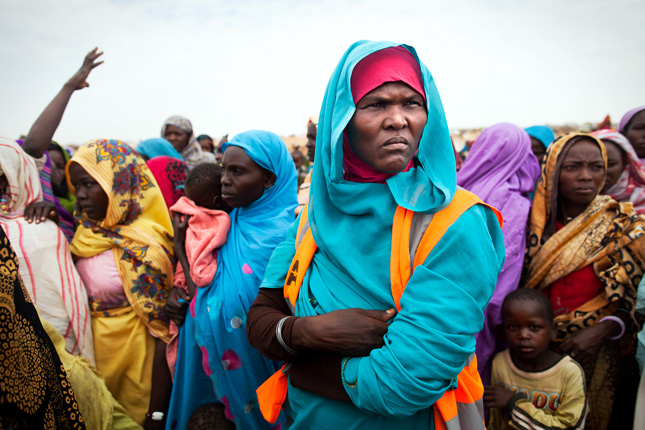
Struggling to save their failing crops. Walking farther afield to fetch clean water. Protecting their families from devastating storms and violent conflicts. “Women are usually the support systems for our family…we are the last to leave in the event of a catastrophe, which is why women and families are disproportionately hurt by climate catastrophes,” said Wilson Center President, Director, and CEO Jane Harman on June 23 during a conference on women and climate change. [Video Below]
-
New Approach to Sanitation May Help Fast-Growing Urban Areas Achieve SDGs
›In the late 1990s, world leaders came together to create the Millennium Development Goals – time-bound, quantified targets for addressing extreme poverty and human health and well-being. Notable among them was to “halve, by 2015, the proportion of the population without sustainable access to water and sanitation.”
-
Family Planning and Environmental Sustainability: Assessing the Evidence
›“There are truly global-scale environmental challenges, and they need to be dealt with by thinking of solutions at the same scale,” said Thomas Lovejoy, a senior fellow at the United Nations Foundation, at the Wilson Center on June 29. The interaction between human population and environmental degradation is one of these challenges. [Video Below]
-
Maternal and Fetal Health Implications of Zika in the United States
›Maternal and fetal health is at the forefront of concerns about the spread of Zika. The fetal brain defects known to be linked to the virus are devastating – and may only be the tip of the iceberg in terms of the virus’s impact, according to a panel of high level U.S. government officials speaking at the Wilson Center on May 24.
-
Christian Holmes, Global Waters
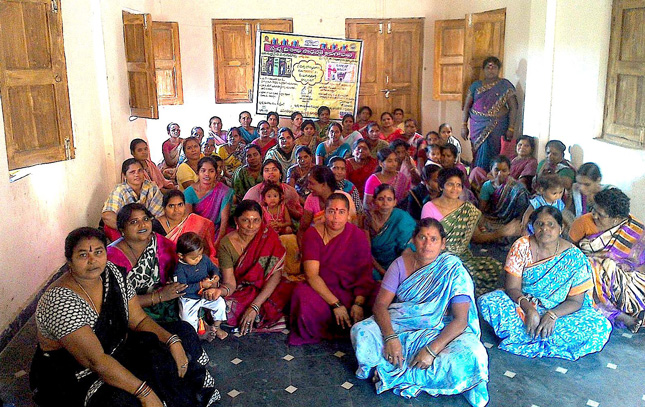
USAID Effort Joins Women’s Groups to Improve Sanitation in Vizag, India
›July 14, 2016 // By Wilson Center StaffAt USAID we recognize the threat poor sanitation combined with rapid urbanization presents to human health, dignity, and prosperity. This is why we have made urban sanitation a global priority for the Agency. During a recent visit to India, I was able to see some of the work being done to bring sanitation services to urban areas, and had the good fortune to meet some inspiring women who are advancing these efforts in their communities.
-
Human Rights and the Environment: How Do We Do Better?
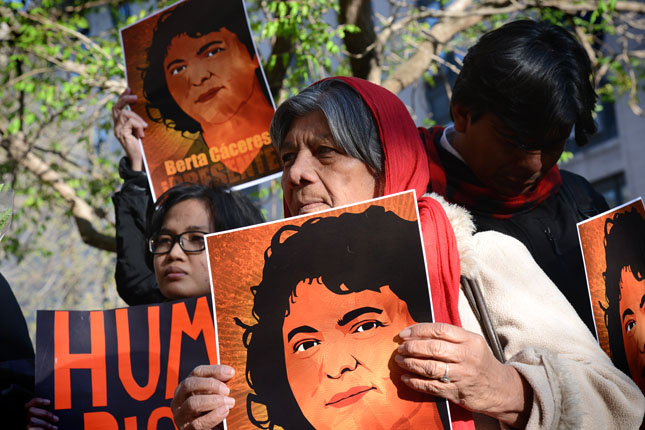
›2015 was a deadly year for environmental activism. According to Global Witness, 185 activists were killed, a 60 percent increase from 2014. Of the victims, 40 percent were indigenous people, like Berta Cáceres, who spoke at the Wilson Center last year and was shot and killed in her home in Honduras this March. [Video Below]
-
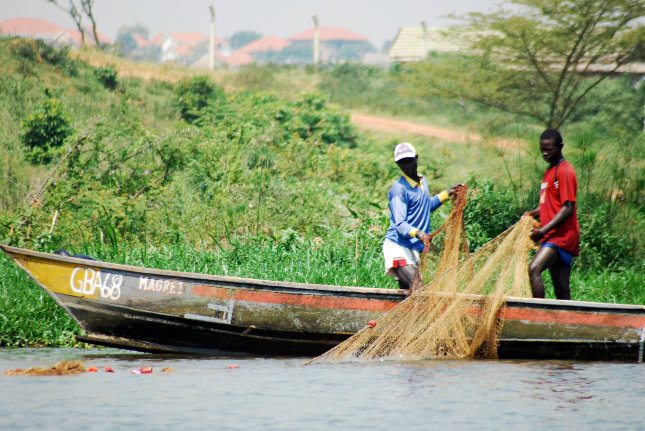
HoPE for Sustainable Development: Results From an Integrated Approach in East Africa
›The Sustainable Development Goals (SDGs) are an ambitious framework for reducing poverty and improving the lives of billions of people. They were agreed to last year by governments at the United Nations and cover developing and developed countries alike. But how will governments, NGOs, and other organizations go about actually accomplishing them over the next 15 years? [Video Below]
Showing posts from category global health.