-
Peace After Paris: Addressing Climate, Conflict, and Development
›
2015 was a historic year for international commitments to sustainable development, climate change action, and new kinds of peacebuilding. For governments and policymakers, now comes the difficult task of living up to those commitments. [Video Below]
-
Paris Was a Success, But the Climate-Security Response Is Lagging, Says Nick Mabey
›
In the months leading up to the United Nations conference on climate change in Paris last fall, expectations were high. And the result actually exceeded those expectations in many respects, says Nick Mabey, director and chief executive at the environment consultancy E3G, in this week’s podcast.
-
Should the UN Security Council Take Up Climate Security Issues? Ken Conca on Institutional Change
›As the dust settles on the newly minted Sustainable Development Goals (SDGs) and Paris climate agreement, countries have begun tackling operational questions aimed at limiting global warming to two degrees Celsius and ensuring peaceful, sustainable development. -
Water Is the Climate Challenge, Says World Bank
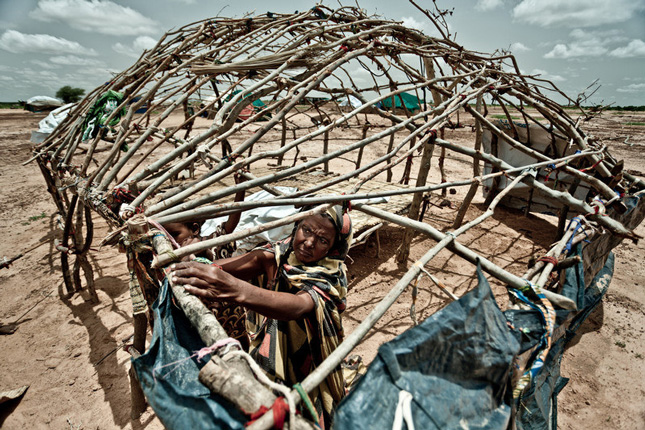
›May 6, 2016 // By Schuyler NullHow will climate change affect you? Probably through water.
That’s the major message of a new World Bank report that finds the ways governments treat water can have a profound effect on the economy.
-
Behind the Headlines, Emerging Security Threats in the Middle East
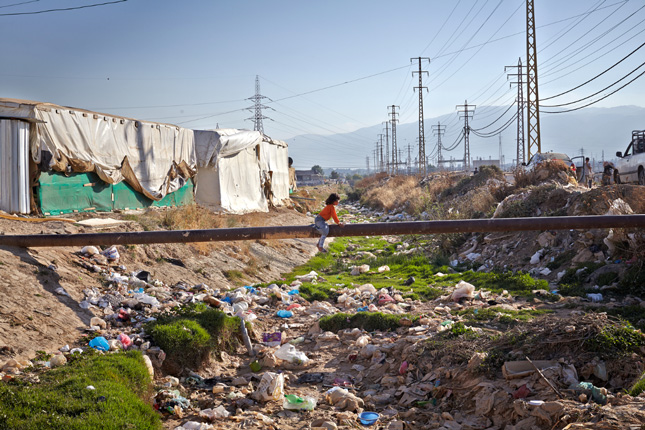
›The Middle East, as much as ever, is the focus of international attention, but the obvious crises may be a distraction from deeper underlying issues.
-
South Sudan’s Broken Oil Industry Increasingly Becoming a Hazard
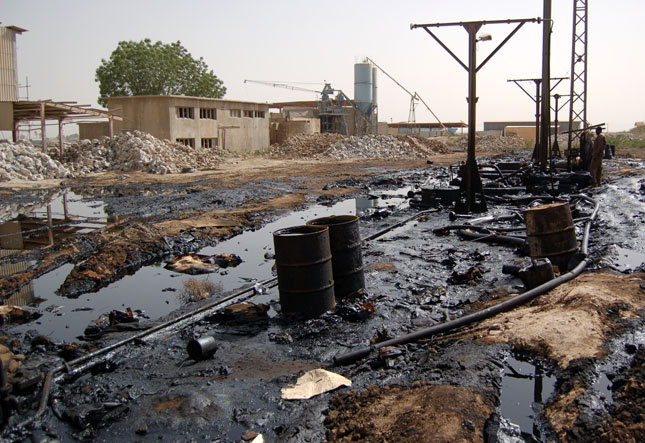
›The environment has long been a factor in violent conflict in South Sudan, especially with respect to control over oil. The first oil was discovered in 1999, and by 2007, hydrocarbons accounted for over 95 percent of Sudan’s income. South Sudan became independent in 2011 after years of war with the Sudanese government in Khartoum, intensified by local conflicts over access to oil-rich border areas. But beyond conflict, South Sudanese communities have also been ringing the alarm bell about pollution and health hazards caused by the oil industry.
-
How Effective Is the Extractive Industries Transparency Initiative? And a Transatlantic Food Security Strategy
›April 28, 2016 // By Gracie CookSovacool et al. in a study published in World Development compare the performance of the first 16 member countries of the Extractive Industries Transparency Initiative (EITI) to their performance before membership and to other non-member countries and find little difference in most governance and economic development categories. -
Pathways to Resilience: Evidence on Links Between Conflict Management, Natural Resources, and Food Security
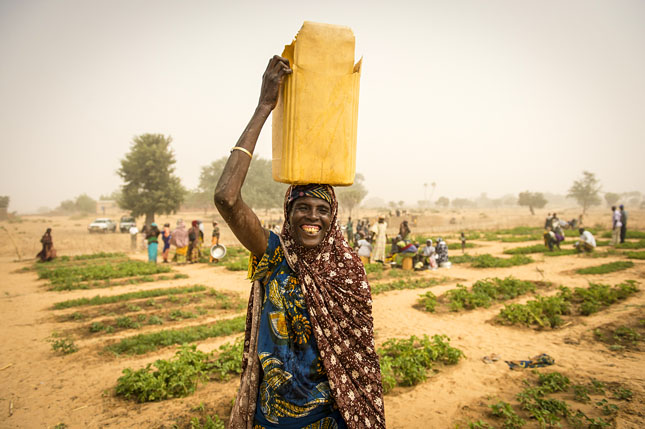
›In 2015, the NGO Mercy Corps released some surprising findings from conflict management programs in the Horn of Africa. Interventions from 2013 to 2015 focused on building community-level cooperation, strengthening institutions, and enhancing resilience. The results indicate that natural resource management can be a key governance pillar to build around and that such cooperation can strengthen household resilience to climate and food security shocks. [Video Below]
Showing posts from category environmental security.

 As the dust settles on the newly minted Sustainable Development Goals (SDGs) and Paris climate agreement, countries have begun tackling operational questions aimed at limiting global warming to two degrees Celsius and ensuring peaceful, sustainable development.