-
Conflict in Food Producing and Consuming Communities, and How to Help Women in the DRC
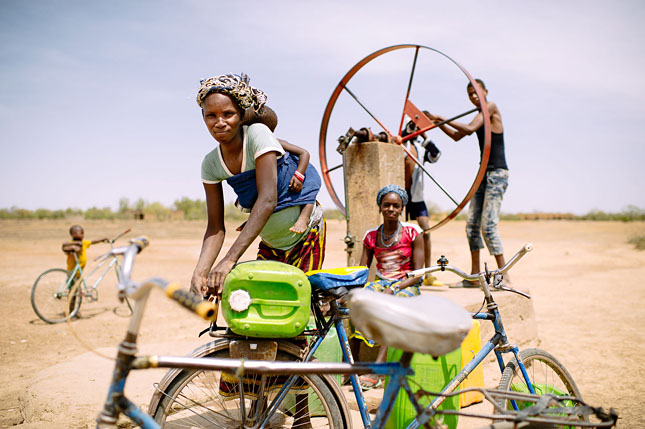
› A working paper by Eoin Mcguire (Brown University) and Marshall Burke (Stanford University) examines the impact of food price increases on conflict in Africa. Under the hypothesis that negative income shocks contribute to the outbreak of conflict, the authors compare the effect of significant increases in food prices in communities that predominantly produce food to the effect in those that predominantly consume food. In food producing areas, conflict driven by food surplus allocations increased but conflict driven by territorial factors decreased.
 -
Military Leaders Urge South Asian Countries to Put Aside Animosities in Face of Common Climate Threat
›July 6, 2016 // By Sreya Panuganti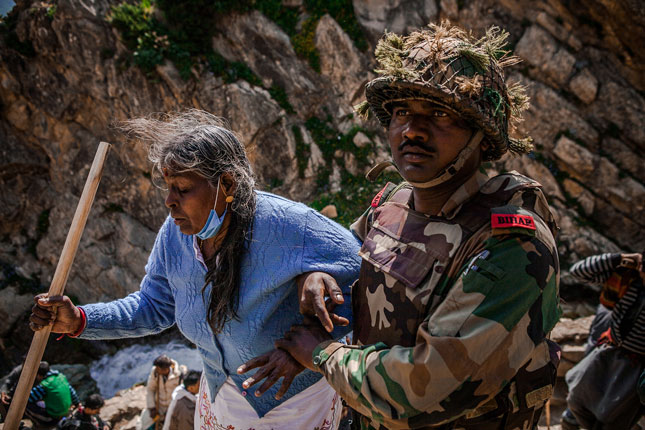
Despite a long history of confrontation and simmering tensions, three senior retired military leaders from Pakistan, Bangladesh, and India urge the nations of South Asia to unite around a common rising threat in a new report.
-
Climate Diplomacy
Chad Briggs on Managing Environmental Risks and Military, Intelligence, and Diplomacy Roles
›June 30, 2016 // By Wilson Center StaffChad Briggs, strategy director of global interconnections and lecturer at the American University in Kosovo, spoke with adelphi about the role of diplomacy as well as that of the intelligence and military communities in reducing disaster risk and vulnerability.
-
In Sustainable Development and Conflict Resolution, Women Seeing Larger Roles
›It used to be a luxury to talk about the environment when you were addressing conflict. Today, “we recognize it’s not a luxury anymore,” said Liz Hume, senior director for programs at the Alliance for Peacebuilding, at the Wilson Center on April 29. Similarly, gender dynamics are now being recognized as playing a critical role in sustainable development and peacebuilding. [Video Below]
-
2015 Migration Factsheet, and the Effects of Policy on Climate-Migration Trends in South America
›Climate change is expected to affect rural to urban migration and
Omar O. Chisari and Sebastian Miller, in a recently released working paper by the Inter-American Development Bank, analyze the various policy options available in two cases: domestic migration to São Paulo, and international migration from Bolivia and Paraguay to Argentina. Migration into cities will impact climate change mitigation strategies. -
Singapore and the Climate Dilemma: There’s No Way to Go it Alone
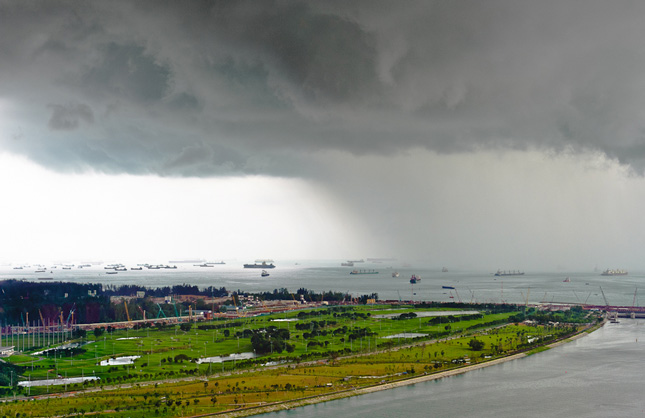
›Anyone visiting Singapore, as I did recently, quickly realizes it is exceptional. A tiny, rich, stable city-state of nearly 6 million people perched uneasily in a region of sprawling mega-countries full of poverty and instability, it also a thriving free market trading and financial center that is meticulously planned and where 80 percent of people live in public housing.
-
Global Population and Reproductive Health (Book Preview)
›Population, reproductive health, and environmental sustainability are inextricably linked. Growing populations place increasing demands on the environment, while meeting the reproductive health needs of populations usually slows their growth. Often, however, policymakers, scholars, and journalists discuss these issues separately, as if unrelated.
-
Hunger in Shangri-La: Causes and Consequences of Food Insecurity in the World’s Mountains
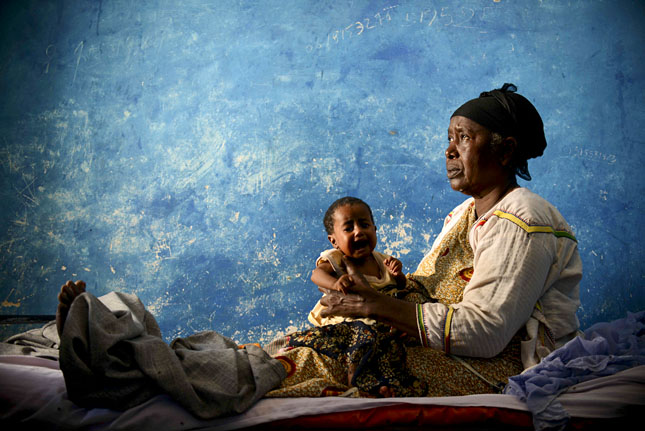
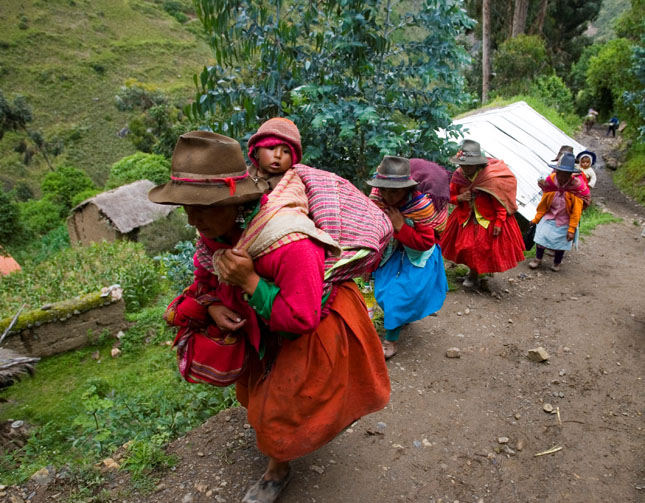
›Over the past decade, the number of undernourished people around the world has declined by around 167 million, to just under 800 million people. However, this positive trend glosses over a stark reality: Food insecurity is increasing in the world’s mountains. This pattern has been under-recognized by development experts and governments, a dangerous oversight with far-reaching social and environmental repercussions.
Showing posts from category environmental security.