-
Turning the Impending Mosul Dam Disaster Into Opportunity
›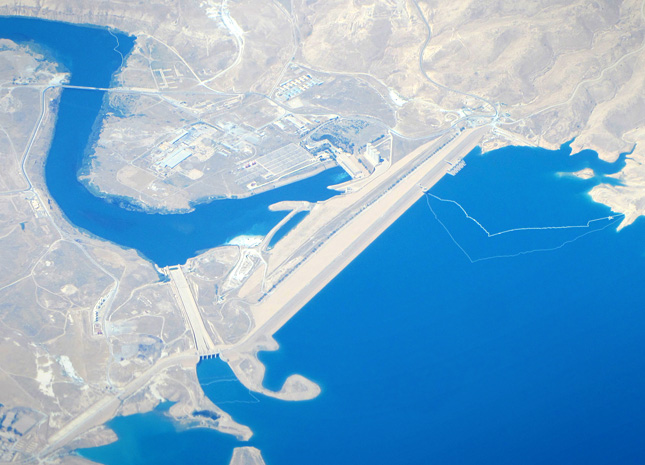
Iraq has seen its share of calamities in recent years, but none is as dangerous as the impending failure of the Mosul Dam. A breach of the dam will result in a tsunami-like wave that sweeps through cities and hamlets along the Tigris River from Mosul to as far south as Amarah and even Basra. Baghdad would be submerged under five meters of water within four days. Not only do experts estimate the possible fatalities to range from 500,000 to more than 1 million, but consider the logistics of trying to provide electricity, drinking water, food, hospitals, transportation, and diesel for millions of people.
-
A More Extreme Sea-Level Rise Scenario, and the Global Environmental Burden of Disease
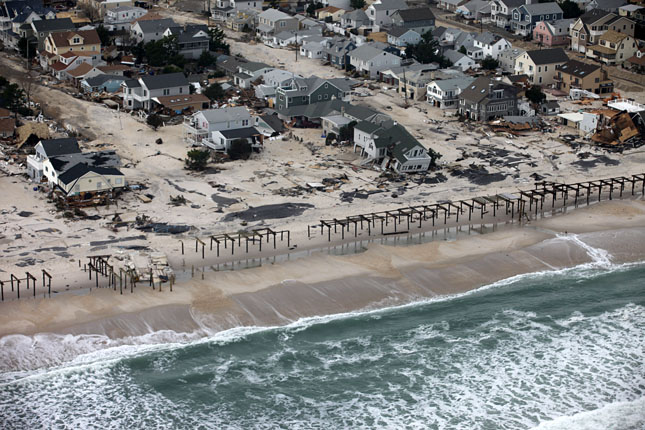
› Though governments have agreed to try to limit global warming to no more than two degrees Celsius above pre-industrial levels, a paper by James Hansen et al. in Atmospheric Chemistry and Physics finds that goal may not prevent major changes on an irreversible and unadaptable scale. Studying the last interglacial period, about 120,000 years ago, when the temperature was less than one degree Celsius warmer than today, Hansen et al. estimate sea level was six to nine meters higher than today.
 -
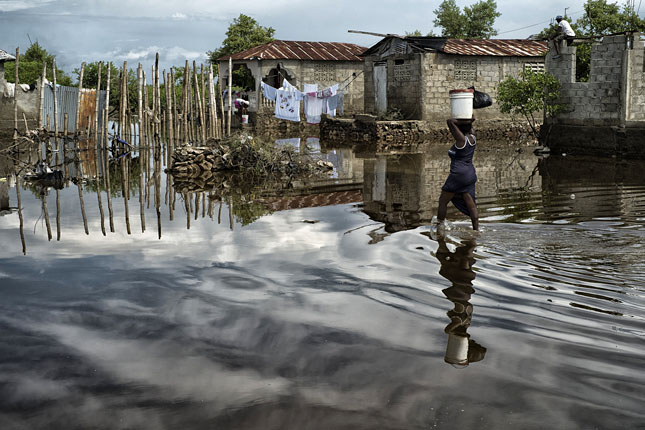
What Happens When You Can’t Build Back? Addressing Climate Change Loss and Damage
›The world is entering a new phase of climate change defined by “failure to mitigate sufficiently and failure to adapt sufficiently,” said Saleemul Huq, director of the Bangladesh-based International Center for Climate Change and Development, at the Wilson Center on March 16. [Video Below]
-
Sharon Burke on How the U.S. Military Is Planning for Climate Change
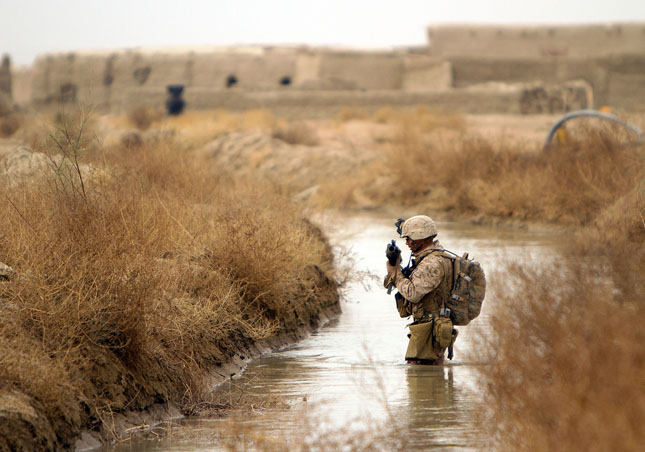
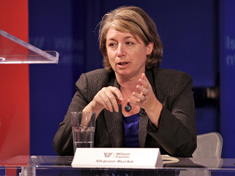
›Climate change is impacting the U.S. military in two major ways, explains Sharon Burke in this week’s podcast. -
Community Empowerment vs. State Stability? Lessons From Nepal’s Micro-Hydropower Projects
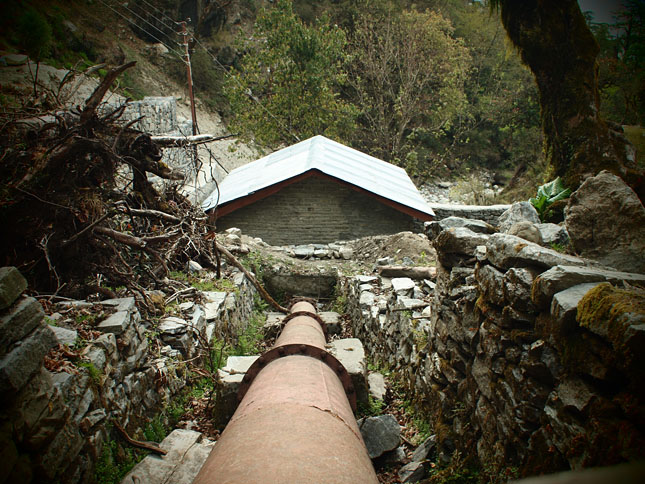
›Post-war countries are among the most difficult policy arenas. The challenge is not only to stop violence and prevent violence from rekindling, but moreover to help countries reset their internal relations on a peaceful path. Increasingly, researchers and practitioners are interested in the potential of natural resources in post-war settings in the hope that good governance and sustainable management can contribute to this reset. Indeed, the international community acknowledged the relevance of the link between peaceful societies and environmental issues by including both in the Sustainable Development Goals.
-
Keith Johnson, Foreign Policy
Pentagon Directive Quietly Makes Climate Change Long-Term Priority
›March 24, 2016 // By Wilson Center StaffIn the middle of January, Deputy Secretary of Defense Robert Work signed off on one of the potentially most significant, if little-noticed, orders in recent Pentagon history. The directive told every corner of the Pentagon, including the office of the secretary of defense, the joint chiefs of staff, and all the combatant commands around the world, to put climate change front and center in their strategic planning.
-
Creating a Water Ready World
›March 22, 2016 // By Sherri GoodmanSitting at my desk looking at bills to be paid, the first one on the stack is for the water company, emblazoned with the phrase, “Water is Life.” Yes, we all know that. But really, as my teenagers would say, “Duh, Mom. So what?”
Well, here’s the “so what” on this World Water Day 2016.
-
Global Stories From the Nexus of Gender and Climate Change Vulnerability
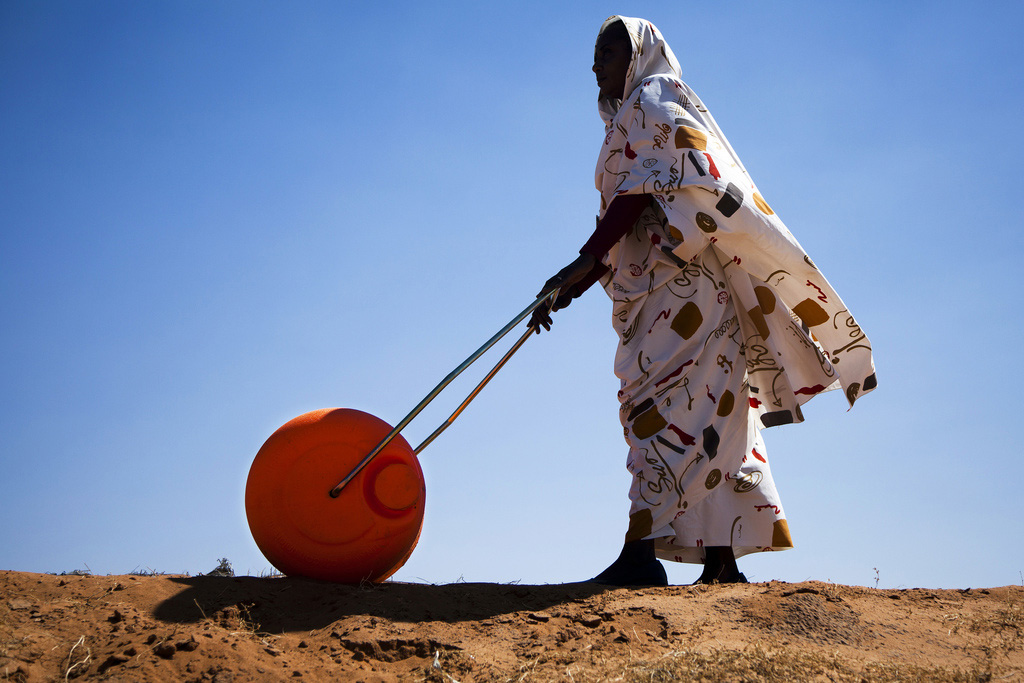
›March 21, 2016 // By Gracie CookDeveloping countries are in a pitched fight against the effects of climate change, and women, playing prominent roles in agriculture and household resource collection, are “at the front lines in the battle,” writes UN Framework Convention on Climate Change Executive Secretary Christiana Figueres, in a new report.
Showing posts from category environmental security.
 Climate change is impacting the U.S. military in two major ways, explains Sharon Burke in this week’s podcast.