-
ECSP Weekly Watch | August 19 – 23
›
A window into what we are reading at the Wilson Center’s Environmental Change and Security Program
What’s Next for the Teesta Water Disputes? (The Hindu)
The recent political upheaval in Bangladesh which led to the resignation of Prime Minister Sheikh Hasina and the return of Nobel Peace Prize laureate Muhammed Yunus as leader of an interim government is not the only tumult in this nation. A worsening trend in weather events there has heightened Bangladesh’s exposure to climate shocks and allowed a dispute over the Teesta River to reemerge.
-
ECSP Weekly Watch | July 29 – August 2
›
A window into what we are reading at the Wilson Center’s Environmental Change and Security Program
How One Loss and Damage Fund Bore Fruit (The Guardian)
The Loss and Damage Fund established during the UN COP27 was a monumental breakthrough in the climate finance realm and aimed to provide financial assistance to vulnerable nations impacted by climate change. Such damage can be catastrophic. When Cyclone Freddy hit Malawi in 2023, it killed 1,200 people and displaced 659,000 more. The estimated economic loss exceeded $1 billion, and it landed especially hard on farmers—including the women who make up more than 70% of Malawi’s agricultural workforce.
-
Earlier Assessments of Conflict Damage Can Spur Timely Relief
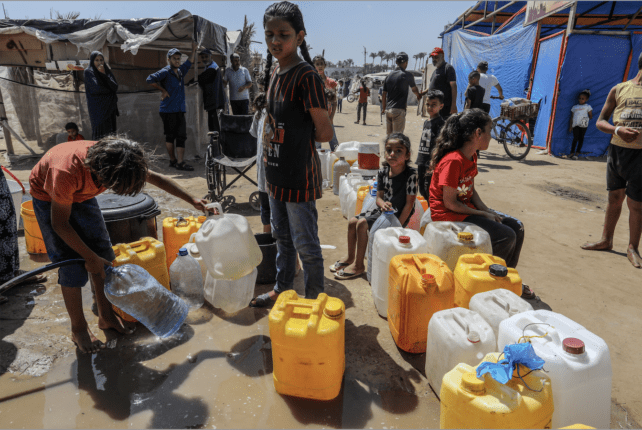
›The widespread destruction of infrastructure has been a calamitous and common feature across many of the recent wars in the Middle East and North Africa and Ukraine—and urban landscapes such as Aleppo, Raqqa, Kharkiv, Mariupol, and Gaza City have borne the brunt of attacks. Without clean drinking water, electricity, treated sewage, food supplies, and medical services, cities become uninhabitable, disrupting the infrastructure upon which populations depend for basic services, and often leading to their forcible displacement. Civilians are also at risk of malnutrition, starvation, and preventable diseases that spread from dirty water and raw sewage in urban centers.
-
Thought-leaders and Frontline Workers in Environmental Peacebuilding: An Oral History | Carl Bruch
›Environmental Peacebuilding Oral History // New Security Broadcast // July 26, 2024 // By Claire DoyleIn this episode of New Security Broadcast, ECSP’s Claire Doyle speaks with Carl Bruch, Senior Attorney and Director of International Programs at the Environmental Law Institute and the founding President of the Environmental Peacebuilding Association. Bruch is a recognized expert on environmental governance and environmental peacebuilding around the world, having worked to provide legal assistance and capacity building in dozens of countries throughout the Americas, Asia, Africa, and Europe. And he has been a key leader in the field of environmental peacebuilding, from the early conversations and visioning to the growing traction of the field today. -
Environmental Cooperation in the Middle East: A Conversation with Dr. Tareq Abu Hamed
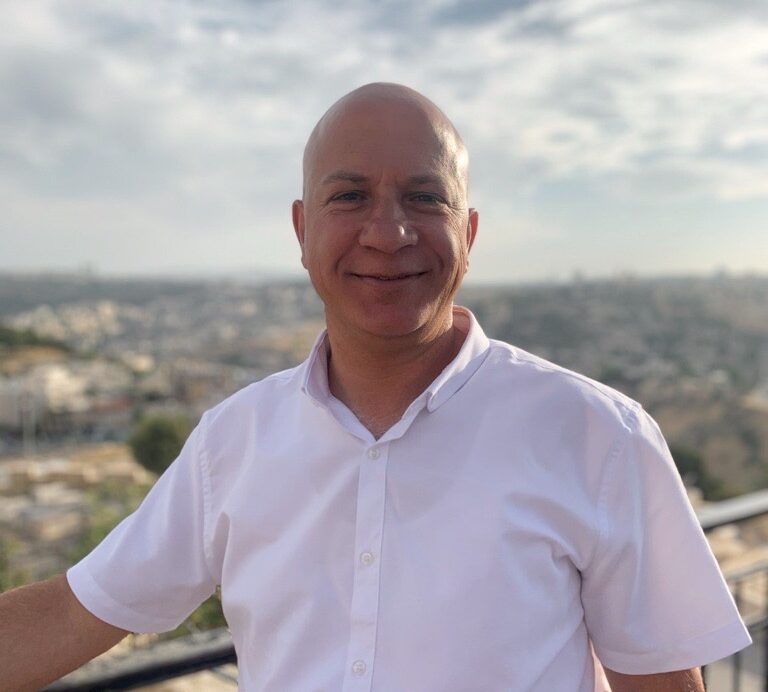
›In today’s episode of New Security Broadcast, Wilson Center Global Fellow and environmental journalist Anneliese Palmer speaks with longtime leader in regional environmental diplomacy and Executive Director of the Arava Institute for Environmental Studies, Dr. Tareq Abu Hamed. In their conversation, Dr. Hamed unpacks the opportunities and challenges of climate and environmental diplomacy, environmental peacebuilding efforts in Gaza and the Middle East, as well as his role in Jumpstarting Hope, a project that works to provide essential services such as safe drinking water and sustainable electricity to communities in Gaza. -
Flowing Together: Peace and Conflict’s Role in Socio-hydrology
›In an era where water scarcity and disputes over water rights increasingly shape global politics, understanding the nexus between water and peace is more critical than ever. Recent events such as the border clashes between Kyrgyzstan and Tajikistan, or continued tensions between Egypt, Ethiopia, and Sudan over the Nile River’s usage, underscore the urgent need for comprehensive strategies to address both the hydrological and social dimensions of water management.
-
Risks and Restoration: Land as a Driver of Conflict and Cooperation
›Land is crucial to people’s livelihoods, health and wellbeing, culture and identity. So disputes over access to or use of land are a prominent feature in many conflicts. The Environmental Justice Atlas finds that land is at the root of conflict dynamics in approximately a third of environmentally-driven cases recorded. And because land is increasingly under threat—20-40% of global land area is degraded—the risk of conflict is increasing.
-
Climate Security and Europe’s Greens: A Match Made in Political Heaven?
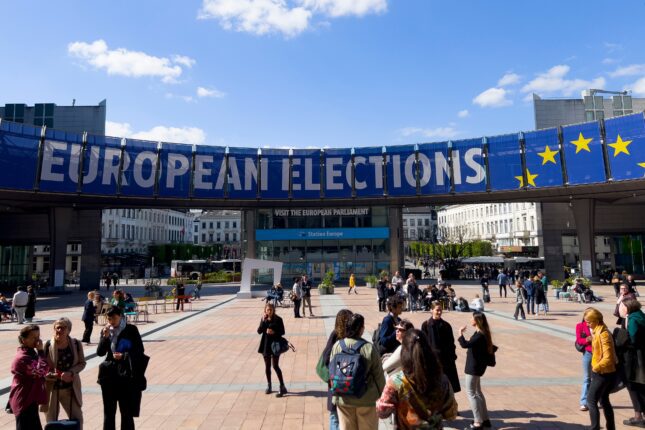
›When Luxembourg’s Green Party was offered the defense portfolio in coalition talks after performing strongly in the country’s 2019 elections, its senior members faced a dilemma. Never before had a party of its political stripe held that brief anywhere in the world.
Some of the Green rank and file, drawn from pacifist backgrounds, seemed uncertain as to what to make of it all. But to François Bausch, the Green politician who ultimately took on the roles of defense minister and deputy prime minister there, the answer seemed obvious. Here was an opportunity for the party to advocate for climate security from a highly relevant perch, all while showing voters that it could be trusted with such strategic concerns.
Showing posts from category environmental peacemaking.
 In this episode of New Security Broadcast, ECSP’s Claire Doyle speaks with
  In today’s episode of New Security Broadcast, Wilson Center Global Fellow and environmental journalist Anneliese Palmer speaks with