-
Research in a Changing Arctic Must be Prioritized
›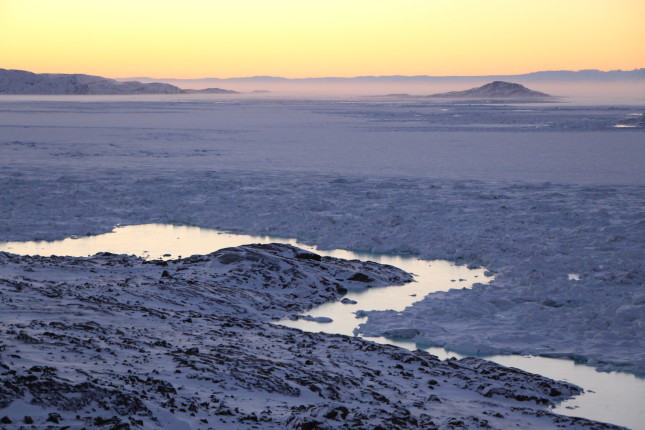
The Arctic is changing, and it’s changing fast, even faster than models had predicted. The most recent Intergovernmental Panel on Climate Change (IPCC) report found with strong confidence that the Arctic is warming two to three times faster than the global average.
-
Is Environmental Peacebuilding the Answer to South Sudan’s Conflict?
›
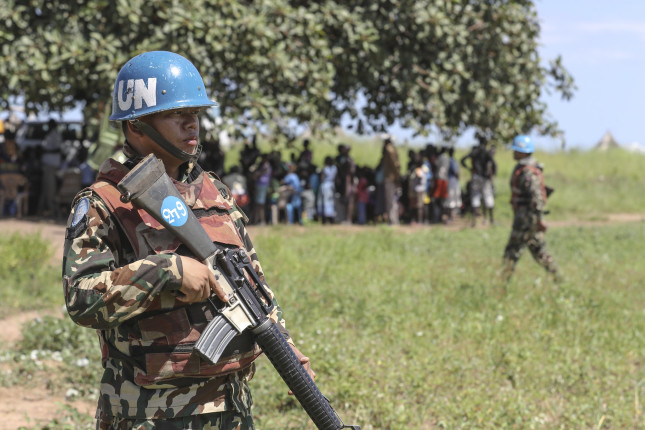
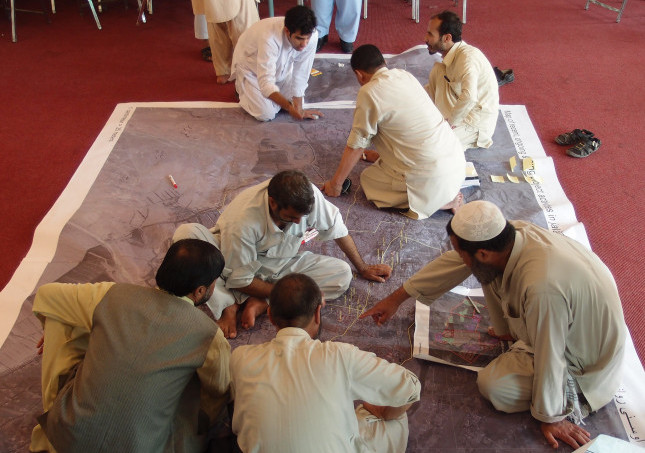
September 12, 2019 marks one year since South Sudan’s President Salva Kiir and former Vice President-turned-opposition leader Riek Machar signed a new peace agreement. The human and environmental cost of the five-year war it ended has been staggering. Women and girls have often borne the brunt of the violence. Fighting and displacement have also placed tremendous pressure on the country’s abundant wildlife and natural resources. Militarized cattle raiding and competition over access to traditional grazing lands threaten the country’s tenuous stability. Gender-sensitive environmental peacebuilding promises to be one of the strategies needed to resolve these multiple challenges.
-
In Search of Consensus on Climate-Conflict Links
›What do we (think we) know about the links between climate change and armed conflict? Early attempts to theorize what climate-related conflict might look like were exceptionally successful in sparking policymaker interest in and funding of research on climate-conflict links. But they were more like works of science fiction than science. Since then, research on climate-conflict links has exploded, with hundreds of articles and working papers published on the subject. Moreover, the findings have been all over the map, with some arguing for strong impacts of climate on conflict at multiple temporal and spatial scales, while others argue—in both specific instances, about the supposedly climate-fueled Syrian Civil War, and more generally—that climate-conflict links are overstated.
-
When Climate Change Meets Positive Peace
›Climate change is being increasingly framed as a security issue—a “threat multiplier” that can amplify the risks of breakdowns in peacefulness. Yet, even extreme climate hazards do not always lead to higher levels of violence.
-
Middle East: EcoPeace Urges UN to Back Water-Energy Cooperation to Increase Security
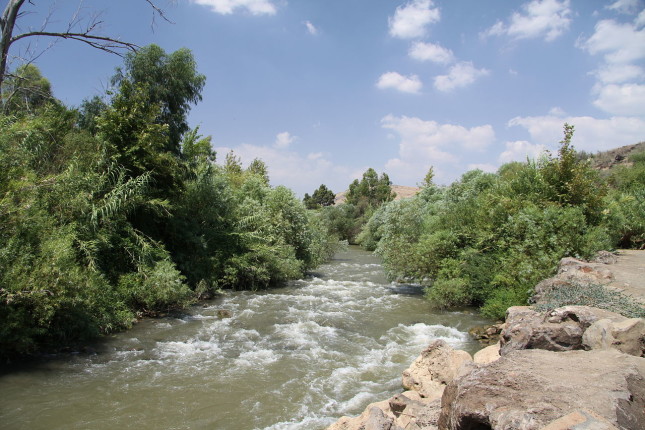
›“Action is needed today,” said EcoPeace Middle East’s Palestinian Co-Director Nada Majdalani. EcoPeace’s Palestinian and Israeli Co-Directors spoke at a recent session of the United Nations Security Council that focused on potential solutions to the decades-old Palestinian-Israeli crisis. They emphasized the importance of cooperation over shared water resources to help address human health and national, regional, and global security concerns. While EcoPeace has been working to foster cooperation over water for more than 25 years, as a way to build peace in the Middle East, this was the first time the trilateral organization briefed the Security Council.
-
Ambassador Marcia Bernicat on the U.S. Global Water Strategy
›The overarching goal of the U.S. Global Water Strategy is to create a more water secure world, said Ambassador Marcia Bernicat, Principal Deputy Assistant Secretary for the Bureau of Oceans, and International Environmental and Scientific Affairs at the U.S. Department of State at a recent Wilson Center event. “Simply put,” she said, “a world where people have the water they need, where they need it, when they need it, without living in fear of floods or droughts.” -
Water, Conflict, and Peacebuilding: A New Animated Short from the Wilson Center and USAID
›Water brings us together. It is essential to the health of individuals, the vitality of communities, and the stability of nations. A new animated short from the Wilson Center and USAID’s Office of Conflict Management and Mitigation celebrates how working together to ensure safe and sufficient water supplies not only increases the resilience of communities, but also helps build peace in war-torn nations.
-
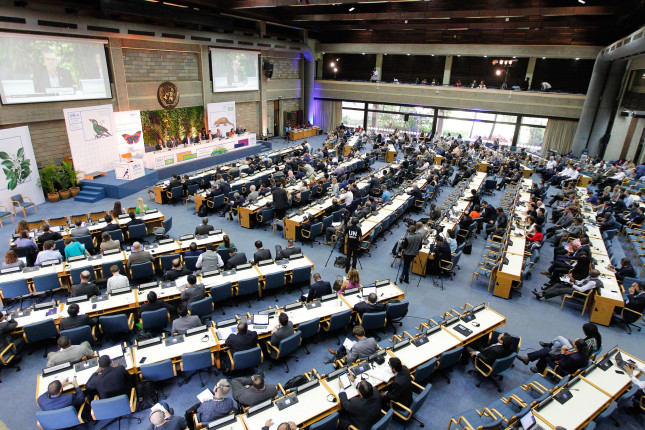
From Resolution to Solution: UNEA’s Unique Opportunity to Tackle Environmental Dimensions of Armed Conflicts
›When the Fourth Session of the UN Environment Assembly (UNEA-4) takes place in Nairobi starting March 11, governments, international organizations, and civil society organizations will discuss issues on the theme of innovative solutions for environmental challenges and sustainable consumption and production with over 30 draft resolutions submitted for discussion. With few international forums where the environmental dimensions of conflict can be properly discussed, we were optimistic about the past resolutions tackling this topic.
Showing posts from category environmental peacemaking.
 The overarching goal of the U.S. Global Water Strategy is to create a more water secure world, said Ambassador Marcia Bernicat, Principal Deputy Assistant Secretary for the Bureau of Oceans, and International Environmental and Scientific Affairs at the U.S. Department of State at a recent Wilson Center