-
Kathleen Mogelgaard, Aspen Institute
Hungry, Hot, and Crowded: The Importance of Multi-Dimensional Strategies for Resilience
›May 6, 2014 // By Wilson Center StaffIn a world faced with rising temperatures, increasingly severe droughts and floods, and a rapidly growing population, how can people adapt to this new way of life – and even thrive? Leading experts discussed this question in-depth during an Aspen Institute Global Health and Development Program event titled, “Building Resiliency: The Importance of Food Security and Population.” The panel took place as part of the Civil Society Policy Forum at the 2014 IMF/World Bank Spring Meetings in Washington, DC.
-
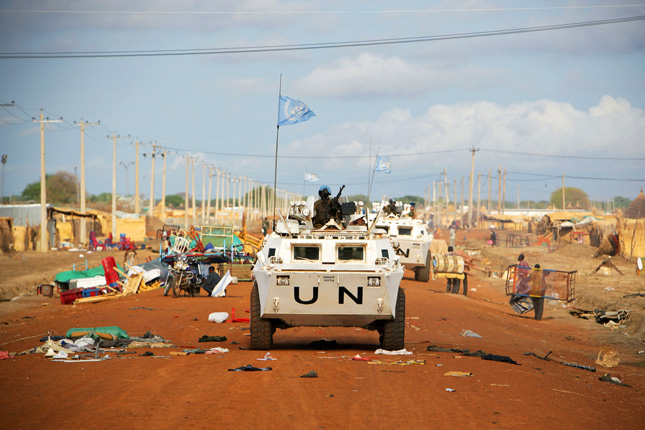
Oil in South Sudan: Turning Crisis Into Opportunity
›
Outside of donor and humanitarian aid, South Sudan’s economy is almost entirely dependent on the oil sector – and that sector is in crisis.
-
ECC Platform
Transparency, Good Governance, and Natural Resource Management: An Interview With Peter Eigen
›April 30, 2014 // By Wilson Center StaffThe governance challenges of natural resource extraction are enormous. What can be done to improve natural resource governance? ECC’s Stephan Wolters talked to Peter Eigen, founder of Transparency International and chair of the Extractive Industries Transparency Initiative (EITI) from 2006 to 2011.
-
What Can Demography Tell Us About the Advent of Democracy?
›April 28, 2014 // By Elizabeth Leahy MadsenDemocracy is fickle. Many of the competing theories on the best ways to foment and consolidate plural, inclusive governance or predict its rise and fall focus on political and economic forces. Yet a small group of demographers have explored population age structure as a catalyst for and reflection of a host of changes in societies that can affect governance.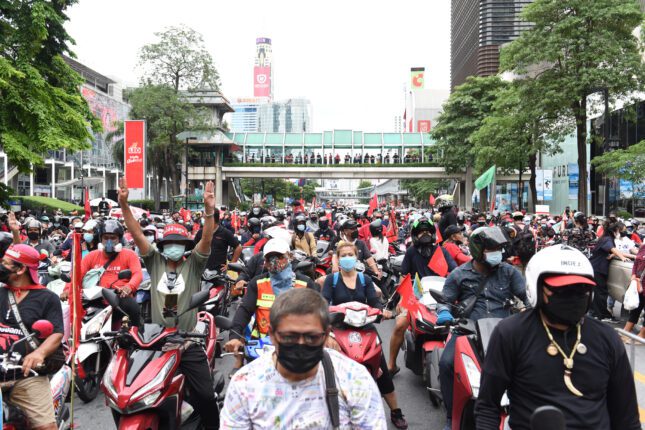
-
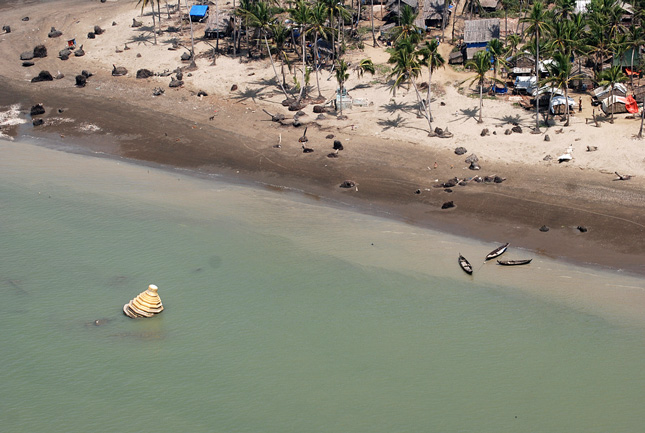
Not There Yet: Burma’s Fragile Ecosystems Show Challenges for Continued Progress
›Political and economic changes in Burma have been as rapid as they are surprising. In just three years, the country has gone from an isolated military dictatorship to a largely open country that is at least semi-democratic and has formally adopted a market economy. Both the European Union and the United States have eased economic sanctions, and dozens of foreign firms have moved in. Foreign direct investment increased by 160 percent in 2013 alone.
-
Forests on Film: New Stories From Nepal and the Congo Basin
›Given growing awareness about environmental change and how it affects human life, it is perhaps not surprising there is also a growing audience for environmental filmmaking. At the 2014 Environmental Film Festival in the Nation’s Capital on March 25, the Wilson Center premiered ECSP’s latest documentary, Scaling the Mountain: Protecting Forests for Families in Nepal. Together with Heart of Iron, a recent film on mining in the Congo Basin, the event took viewers into some of the world’s most remote forests to see how their inhabitants are adapting to rapid changes in the natural resources on which they depend.
-
“The Himalayas Are Pushing Back”: Keith Schneider on Why India Needs to Forge Its Own Path to Development
›
India has the second largest – soon to be largest – population of any nation on the planet and boasts a rapidly developing economy, yet it consumes only a fraction of the energy of China or the United States. Much like China before it, the Indian government has proposed an ambitious system of hydroelectric projects in an attempt to catch up.
-
High Food Prices an Unlikely Cause for the Start of the Arab Spring
›April 7, 2014 // By Richard CincottaJust months after popular uprisings toppled Tunisia and Egypt’s authoritarian regimes, a trio of complex-system researchers published a brief article linking these demonstrations with high levels of the UN Food and Agriculture Organization’s international Food Price Index. Marco Lagi, Karla Bertrand, and Yaneer Bar-Yam’s model, which predicts outbreaks of deadly social conflict when the index tops 210, has since become a popular explanation wielded by many for bouts of popular unrest, including the Arab Spring and overthrow of Ukraine’s government. But were food prices really an underlying “hidden” cause for the start of a wave of instability that is still being felt today?
Showing posts from category economics.