-
Uttarakhand’s Furious Himalayan Flood Could Bury India’s Hydropower Program
›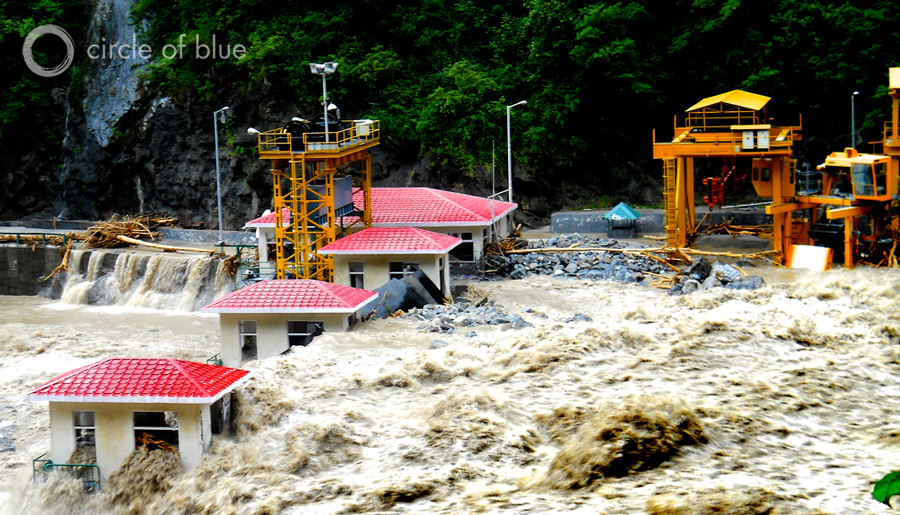
Despite the inherent risks, India is determined to join China, Bhutan, Nepal, and Pakistan in turning the Himalayas into the Saudi Arabia of hydroelectric energy. Almost 300 big hydropower projects are under construction or proposed for India’s five Himalayan states, according to the Central Electric Authority.
-
Nick Snow, Oil and Gas Journal
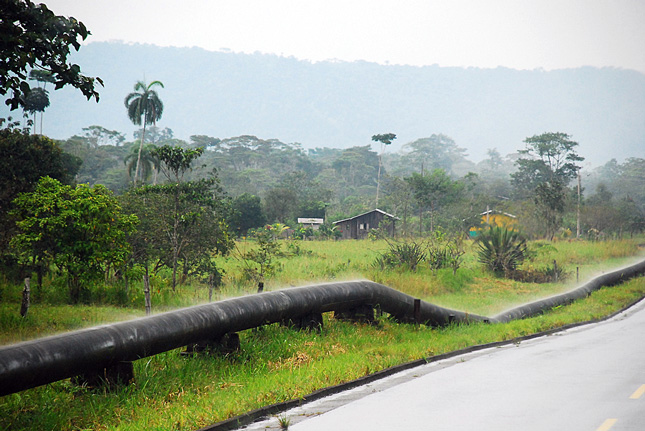
Analyst Urges Broader Look at Amazon Oil’s Local Impacts
›March 27, 2014 // By Wilson Center Staff
Increasingly disruptive protests are likely if oil, gas, and mining companies and national governments don’t pay closer attention to indigenous populations’ needs as Western Amazon basin resources are developed, an expert warned.
-
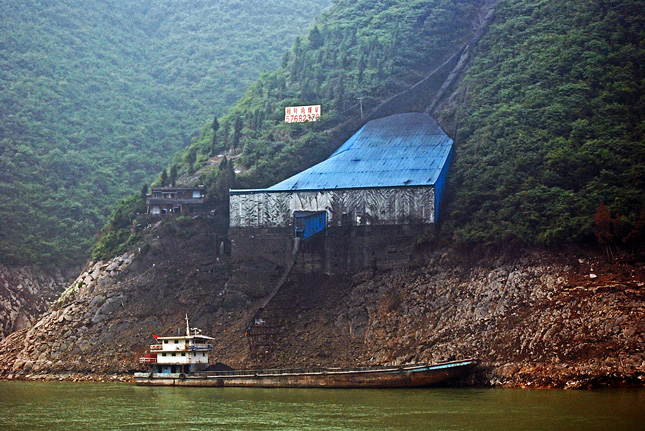
Report: China Could Generate 80 Percent of Its Energy From Renewables By 2050 For Less Than Cost of Coal
›The idea that China, the world’s largest producer of greenhouse gas emissions, could generate a significant portion of its energy from renewable sources might seem like a distant dream, but according to a new report, it’s not so far off. [Video Below]
-
Climate Change Will Cause More Migration, But That Shouldn’t Scare Anyone
›Last year a Kiribati man, Ioane Teitiota, claimed asylum in New Zealand, stating that his home island, which is on average just two meters above sea level, was becoming uninhabitable thanks to rising seas. So-called “king tides” routinely wash over entire portions of the archipelago.
-
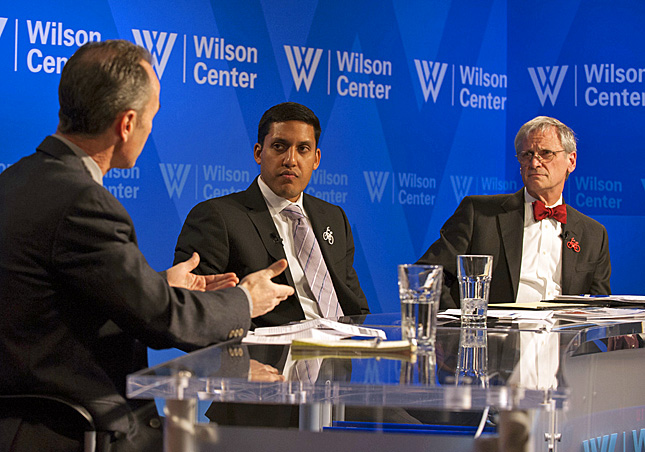
A New Model of Development? The Role of Public-Private Partnerships in International Aid
›USAID funding is “far outstripped” by private investment and business relationships in “nearly every country” in which it works – and that’s a good thing, according to USAID Administrator Rajiv Shah. [Video Below]
-
Big Changes Need Big Stories: The Year Ahead in Environment and Energy Reporting
›While climate change has enjoyed a recent spike in news coverage, journalists face a constant challenge to bring sustained attention to other environmental stories, including resource scarcity, the changing oceans, and demographic change. [Video Below]
-
Environmental Impacts of Household Size, Bringing Family Planning Outside the Health Sector
›What are the environmental implications of changing household sizes? A recent article by Mason Bradbury, M. Nils Peterson, and Jianguo Liu, published in Population and Environment, analyzes data from 213 countries over 400 years and finds the average number of occupants per home tends to decline as population grows. This dynamic, they write, indicates that accommodating housing could prove to be one of “the greatest environmental challenges of the twenty-first century.” As countries develop and urbanize, “according to convergence theory, household size decreases (often from greater than five to less than three).” Other cultural shifts, like increasing divorce rates, urban sprawl driven by rising affluence, decreasing numbers of multigenerational households, and larger houses (in the United States, homes more than doubled in size between 1950 and 2002, according to the article) compound the issue. As population growth continues in parts of the world, these trends pose critical questions for conservation and environmental sustainability, since “households are the end consumers of most natural resources and ecosystem services.” -
Unveiling the Dark Places: Urbanization, Economic Change, and Gender-Based Violence
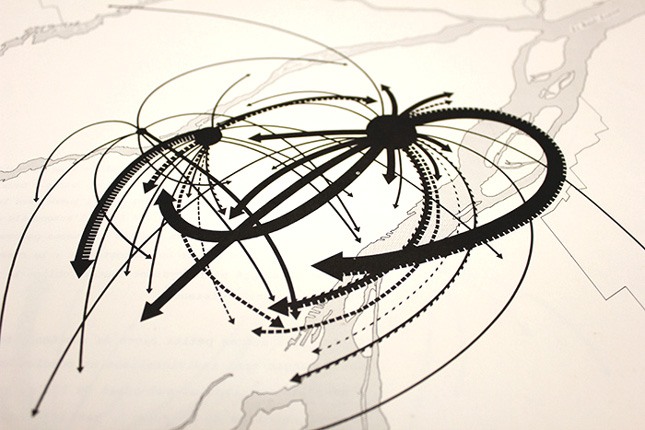
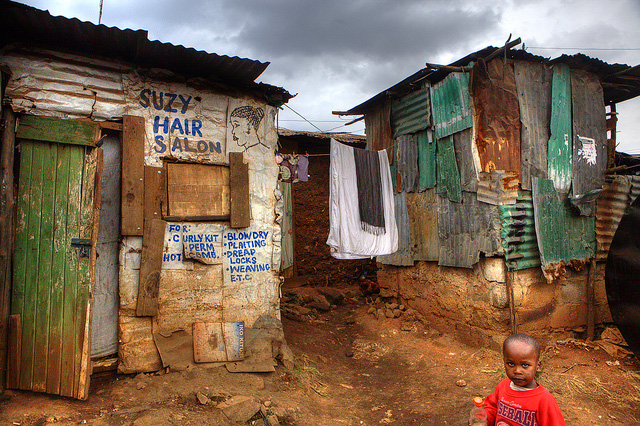
›“If there was a perfect slum, Kibera would be it.” The notoriously overcrowded and underserved settlement in the Kenyan capital of Nairobi captivates the public imagination, engendering visions of urban violence, poverty, and hopelessness, said Caroline Wanjiku Kihato of the University of the Witwatersrand at the Wilson Center on February 18. The area was ravaged by ethnic violence that erupted across the country following Kenya’s disputed 2007 elections, pitting neighbor against neighbor in tribal clashes that killed more than 1,000 people, displaced many thousands more, and provoked an alarming surge in sexual violence.
Showing posts from category economics.