-
World Economic Forum Evaluates Global Risks, Comes to Some Odd Conclusions
›With intense drought in Sao Paulo and California, devastating floods in Malawi, and escalating water-energy confrontations in many developing countries, it is no wonder water is making headlines. It’s also gained the attention of the World Economic Forum (WEF), which lists water crises as the world’s number one risk in its recently released Global Risk Assessment.
-
The Future of Political Demography and Its Impact on Policy
›March 9, 2015 // By Schuyler Null
“Political demography is a discipline whose time has come,” said Rob Odell of the National Intelligence Council at a gathering of demographers and researchers in New Orleans. “You can sense this inherent dissatisfaction” with a lot of analytical and predictive tools in international relations, he said, and “political demography provides policymakers a way to think about long-term trends.”
-
Fiona Harvey, Ensia
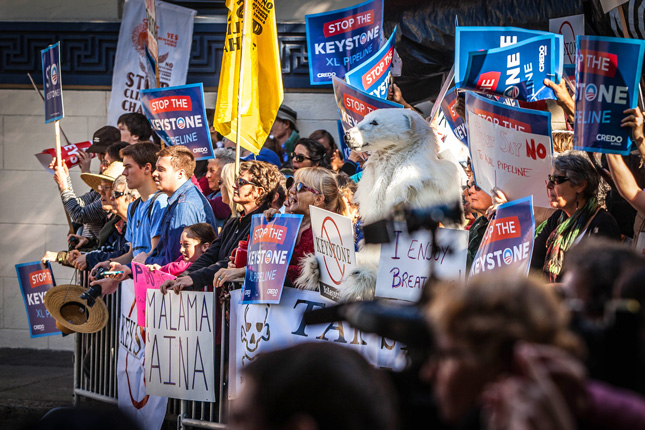
Everything You’ve Always Wanted to Know About the UN Climate Talks But Were Afraid to Ask
›March 5, 2015 // By Wilson Center Staff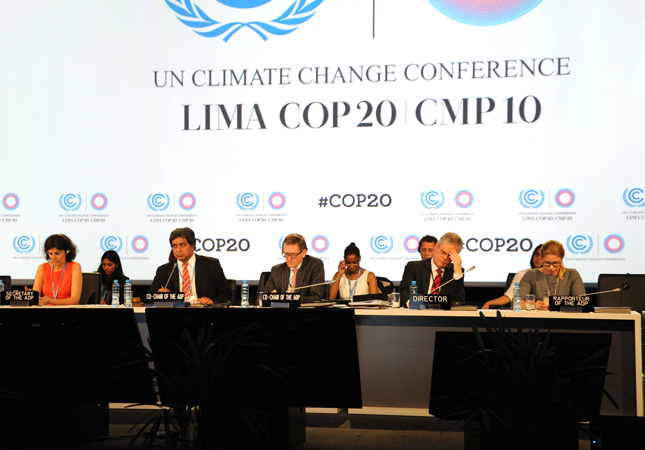
Climate change negotiations seem to crawl along interminably at the pace of the glaciers they are meant to protect, with little perceptible progress as meeting follows meeting and conference follows lackluster conference. But this year we are seeing remarkable momentum building toward a historic conference in Paris in the closing days of 2015, by the end of which we will either have a new international agreement on cutting greenhouse gas emissions, or we will have seen the last of truly global efforts to strike a deal on saving our planet.
-
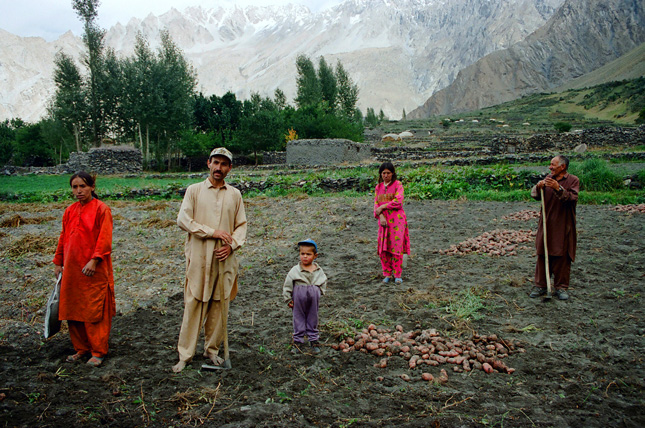
The Case for Better Aid to Pakistan: Climate, Health, Demographic Challenges Demand New Approach
›March 2, 2015 // By Kate DiamondIn 2009, the U.S. Congress passed a five-year, $7.5 billion aid package for a country it had all but abandoned just 10 years earlier. Indeed, if one word can summarize the U.S. relationship with Pakistan, “volatile” might be it. Since the September 11 attacks, the U.S. has appropriated nearly $61 billion in aid to Pakistan – more than twice what it received since independence in 1947.
-
In Food Riots, Researchers Find a Divide Between Democracies and Autocracies
›Though the bull market for metals and energy may be ending, global food prices remain stubbornly high. The inflation-adjusted FAO Food Price Index is down from the near historic heights of 2007-08 and 2011 but still higher than at any point in the previous 30 years, putting a brake on several decades of progress in reducing world hunger.
-
Reporters Predict Contentious Year Ahead for Environment and Energy
›With the Obama Administration moving forward on emissions reductions, the deadline for drafting the Sustainable Development Agenda, and a highly anticipated global climate summit in Paris, 2015 promises to be a crucial year for climate policy. “In many ways, last year was the year of building momentum, and this is the year of getting the work done,” said Lisa Friedman, deputy editor of ClimateWire, at the Wilson Center on January 5. [Video Below]
-
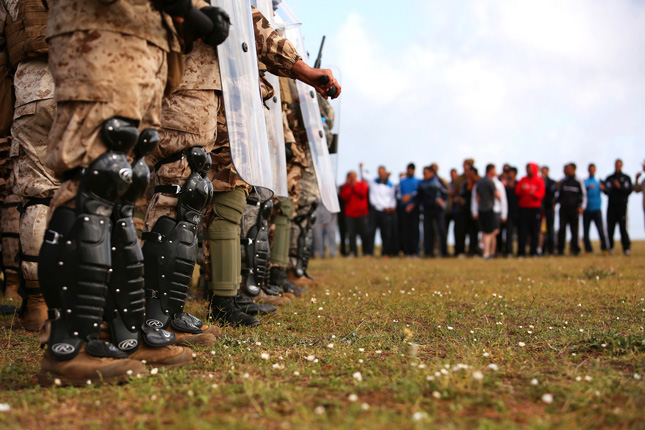
Youth Bulge, Exclusionary Regimes, and the Islamic State’s Big Mistake
›Last week, the Islamic State’s ignorance of the role of demography in their local success may have led them to overplay their hand. Seeking to dissuade Jordanians from following their government in actively supporting the alliance arrayed against them, they executed a captured Jordanian pilot in horrendous fashion, burning him alive. Yet Jordan is not like Syria or Iraq, where violence against westerners or Shi’a or other minorities has helped split people from their allegiance to the government. Instead, this act of violence seems to have unified Jordan’s Sunnis against the Islamic State for their actions against a fellow Sunni Muslim. Jordan has expanded its assault, striking dozens of targets in Iraq for the first time.
-
Lisa Palmer, Yale Environment 360
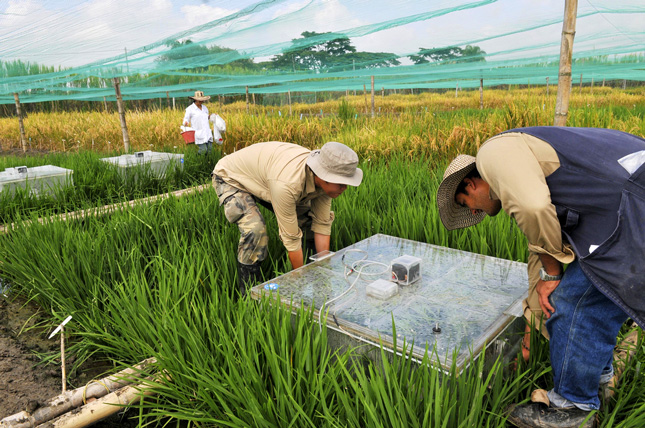
Colombian Farmers Adjust to Changing Conditions With “Climate-Smart” Agriculture
›February 10, 2015 // By Wilson Center StaffRice is a thirsty crop. Yet for the past three years, Alberto Mejia has been trying to reduce the amount of water he uses for irrigation on his 1,100-acre farm near Ibague in the tropical, central range of the Colombian Andes.
Showing posts from category economics.