-
What’s in a Name? States of Fragility and Adjusting Aid to Conflict Zones
›April 13, 2015 // By Lauren Herzer Risi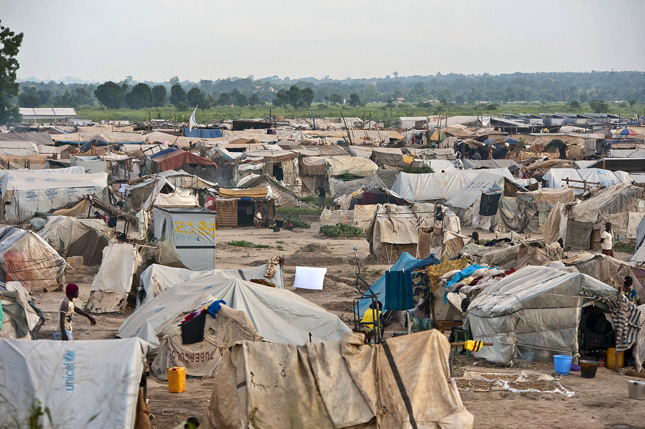
Depending on how closely you pay attention to the OECD, you may have picked up on a subtle but meaningful change in this year’s States of Fragility report. Whereas previous reports were titled Fragile States, the Organization for Economic Cooperation and Development has shifted its framing to focus less on states and more on conditions, less on the binary status of a “fragile state” and more on fragility as a universal condition that can impede development in all countries.
-
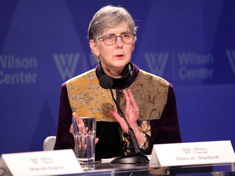
Ellen Starbird: Sexual and Reproductive Health and Rights Undergird Success of SDGs
›
“Advancing reproductive health and family planning can positively influence and advance a number of sustainable development priorities,” says Director of USAID’s Office of Population and Reproductive Health Ellen Starbird in this week’s podcast.
-
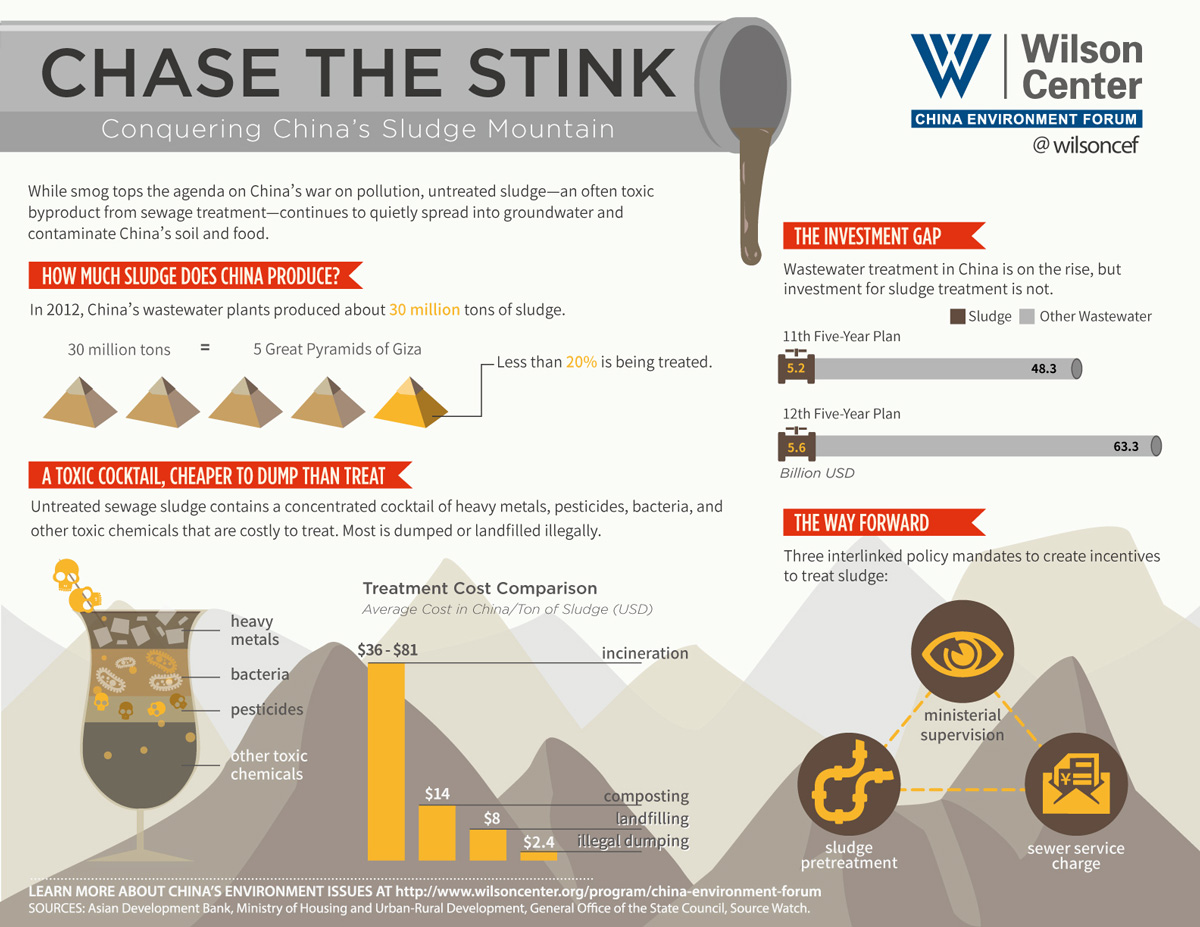
Infographic: Conquering China’s Sludge Mountains
›While Chinese officials make full frontal regulatory attacks on smog, untreated sludge, an often toxic byproduct from sewage treatment, continues to quietly spread into groundwater and contaminate soil and food.
-
Syria Conflict’s Connection to Climate Change, and Avoiding Maladaptation to “Hydro-Climate” Risks
›In a headline–making article in the journal PNAS, Colin P. Kelley et al. write there is evidence that the ongoing conflict in Syria, which has killed at least 200,000, was triggered by climate change. Severe drought from 2007 to 2010 caused a massive rural-to-urban demographic shift which exacerbated pre-existing sociopolitical tensions in Syrian cities already inundated with Iraqi refugees. -
Big Money, Big Politics, and Big Infrastructure: Florida’s Saga Illustrates Climate Change’s Deep Challenges
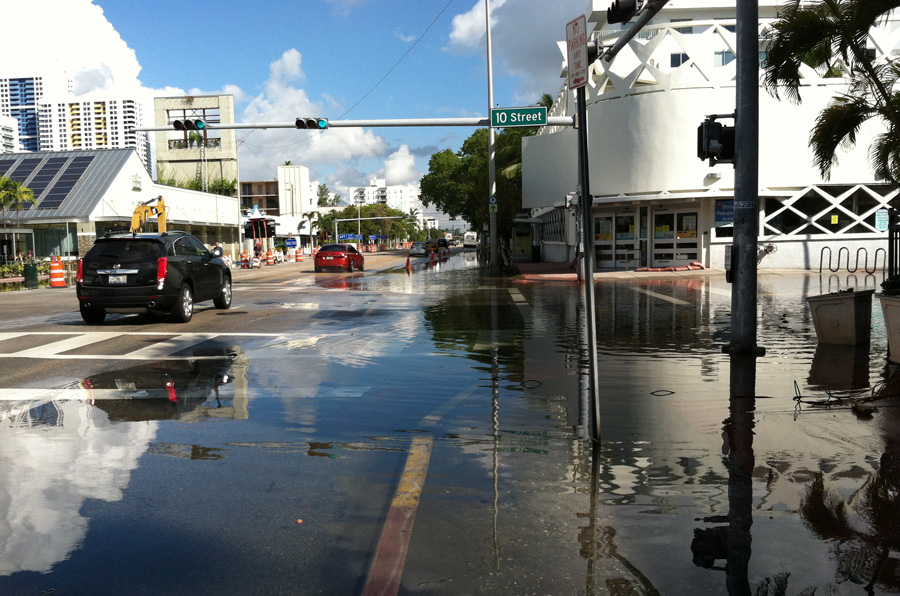
›Investigative journalists reported earlier this month that top appointees at Florida’s Department of Environmental Protection and other state agencies ordered employees not to use the terms “climate change” or “global warming” in official communications. Politically coded euphemisms such as “climate drivers” and “climate variability” were to be used instead. “Sea-level rise” was to be replaced with “nuisance flooding.” The news swiftly went viral, with commentators noting the irony of such censorship occurring in Florida – essentially ground zero for climate change in the Global North.
-
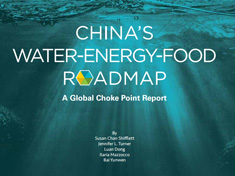
China’s Water-Energy-Food Roadmap: A New Global Choke Point Report
›The creation of a water-energy research initiative in the landmark U.S.-China climate agreement last fall could be the beginning of a new and different path for Sino-U.S. collaboration.
-
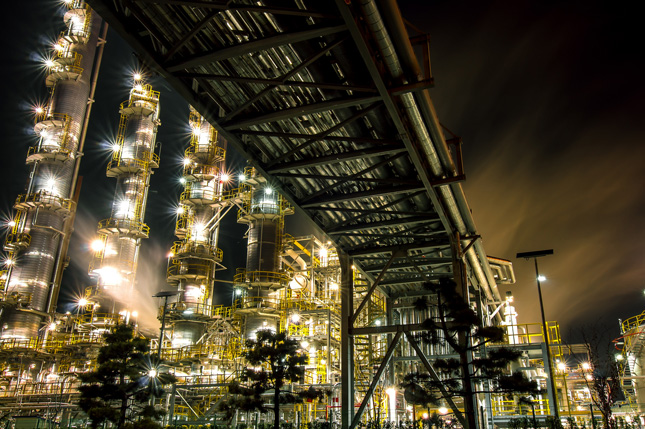
The U.S. Energy Pivot: A New Era for Energy Security in Asia?
›The past decade has brought ground-shaking changes to global energy markets. The unconventional fuel boom has unexpectedly reduced U.S. dependence on oil imports, while in the Asia-Pacific region, energy-constrained nations are increasingly reliant on foreign sources to meet their soaring demand. With the U.S. slated to export liquid natural gas (LNG) to Asia as early as 2017, a new energy era has come.
-
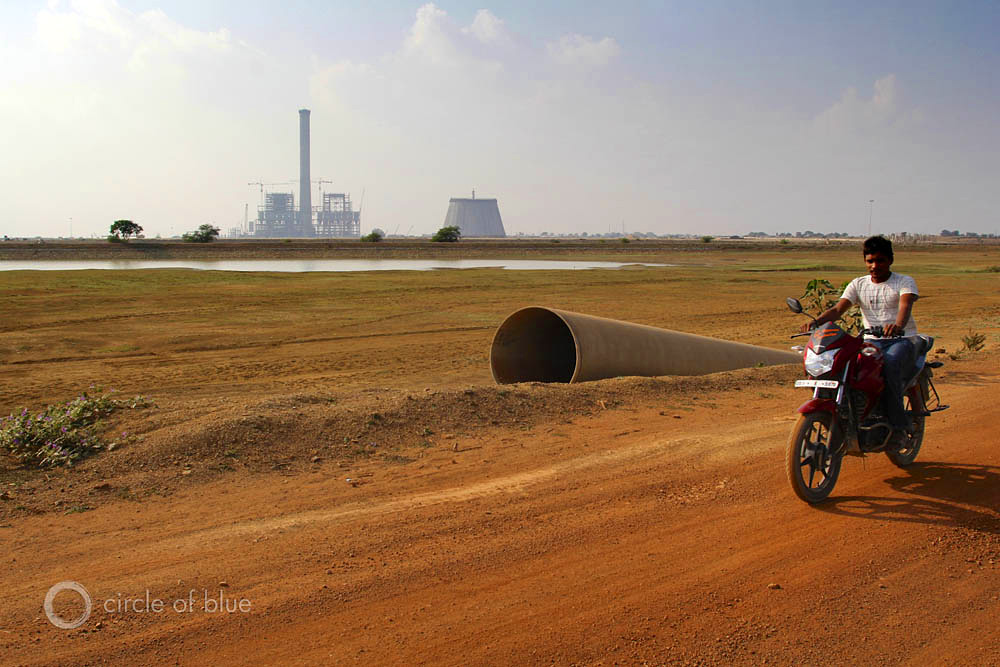
What Can Be Done to Strengthen India’s Natural Resource Management? [Part 2 of 2]
›For two years, the Wilson Center and Circle of Blue have explored the contest for food, water, and energy in India and the troubling ways it plays out across the country. In part one of this series outlining our findings, we explained the basics of India’s natural resource management choke point.
Showing posts from category economics.