-
A State Divided: A Snapshot of India’s Water-Energy Choke Point
›The landscape of the northeastern Indian state of Meghalaya is rapidly changing. What was once a predominately agricultural economy has shifted to coal mining with significant consequences for people and the environment. “Once you extract coal from the land, it’s really hard to go back to an agricultural economy,” says ECSP’s Sean Peoples in an interview with Wilson Center NOW, about the Global Choke Point film, Broken Landscape.
-
Celeste Hicks and Laura Seay, Monkey Cage
Governance, Gender, and No Guarantees in Africa’s Oil-Rich States
›June 23, 2015 // By Wilson Center Staff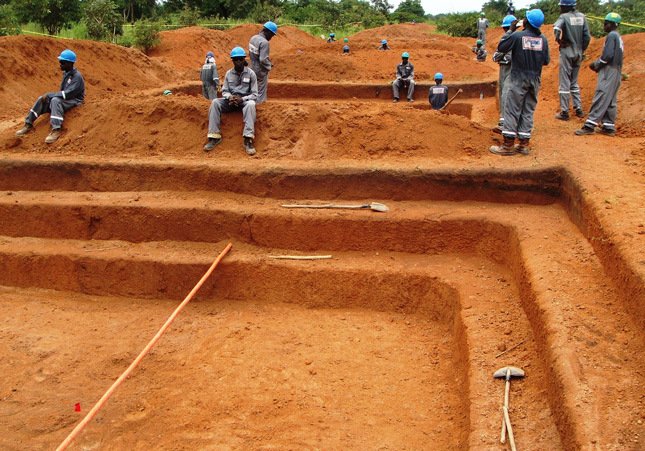
The discovery of oil in Chad in 1969 did not yield many immediate benefits for a population that would soon be wracked by civil war, but hopes were high by the late 1990s. Chad had largely stabilized, and a new, World Bank-backed project to build a pipeline through Cameroon to the Atlantic Ocean coast was touted as a model for socially and environmentally responsible oil exploitation in developing countries.
-
European Parliament Passes Conflict-Minerals Bill; UN Releases Report on Money Flows in DRC
› A new report prepared by the UN Environment Program and UN peacekeeping operation in the Democratic Republic of Congo (known as MONUSCO) found that just two percent of the total value of illicit natural resources smuggled from the country comes back to armed groups. Still, these funds, which amount to around $13 million a year, allow some 25 to 49 groups to continue operating in the country’s war-torn eastern provinces. Much more, as much as 50 percent, ends up in the hands of transnational criminal networks with the remaining profits flowing to individuals or companies elsewhere in the DRC or in Uganda, Rwanda, and Burundi.
 -
Adapting to Global Change: Climate Displacement, Mega-Disasters, and the Next Generation of Leaders
›The world is more connected than ever before, but also more complex. Big, transnational trends like climate change, urbanization, and migration are changing the calculus of geopolitics, while local-level inequalities persist. “[Change] seems to be spinning around us so fast,” said John Hempelmann, president of the Henry M. Jackson Foundation, which honors the legacy of the late senator from Washington State. How can today’s and tomorrow’s leaders adjust to global trends? [Video Below]
-
Alice Thomas: Climate Change Effects and Responses Profoundly Undermine Human Rights
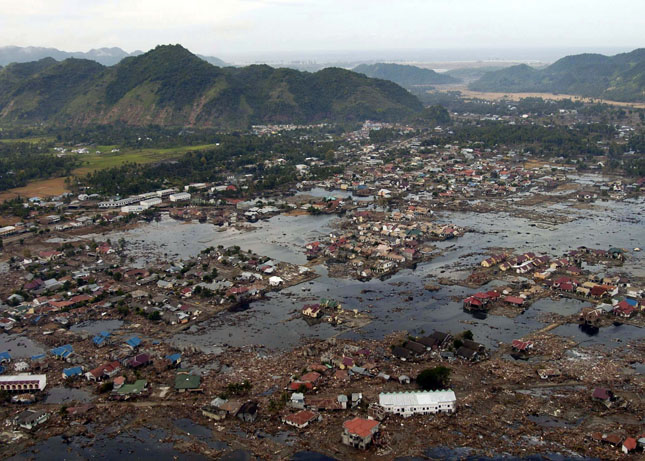
›After Typhoon Haiyan ripped across the Philippines in 2014 leveling nearly every building in sight, 4 million people – mostly poor and from coastal regions – were displaced. In response, the government set up “no build” zones in vulnerable areas and worked to move people to new land. But many of the newly relocated people discovered this land came with no access to water, electricity, or other services.
-
Is Wildlife Trafficking a National Security Threat?
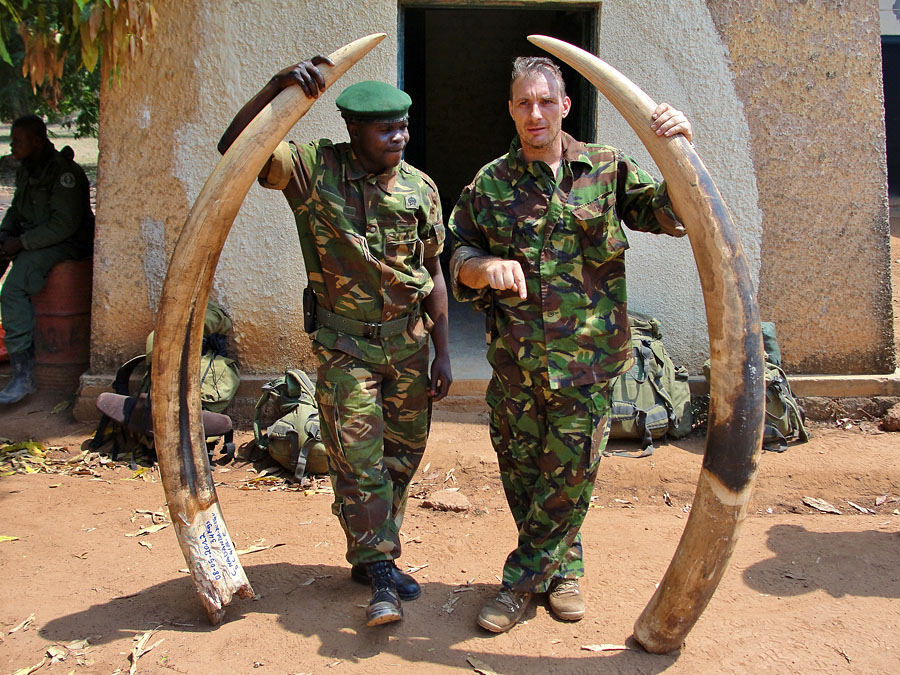
›Trafficking of illegal wildlife goods is quickly becoming one of the most lucrative illicit businesses in the world. With growing demand in Asia, an industry that was once fed by isolated, small-scale poaching incidents is now run by well-organized, transnational criminal networks, similar to narcotics and guns. The Obama administration labeled wildlife trafficking as a national priority in 2013 and released a National Strategy for Combatting Wildlife Trafficking in 2014. A detailed implementation plan for the strategy followed this year, identifying key steps and implementing agencies to help end trafficking in the United States and abroad.
-
The Sahel Beyond the Headlines: Underlying Demographic, Environmental Trends Erode Resilience
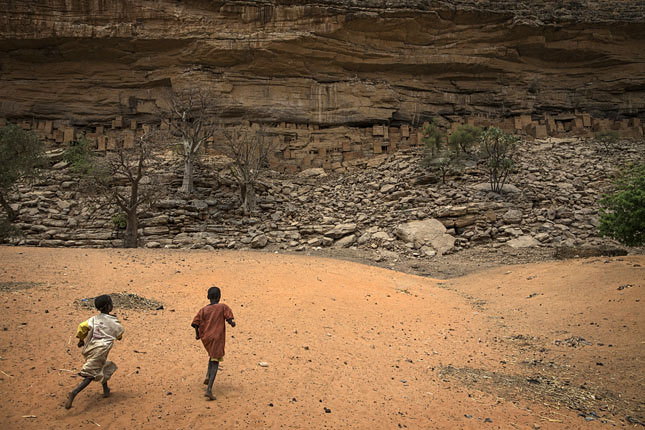
›Between the Sahara to the north and savanna to the south lies the semi-arid Sahel, a region stretching from Senegal to Sudan that has experienced desperate poverty, climate change, malnutrition, and violence. While every context is different, the Sahelian countries share some common challenges, including a pattern of recurring crises and fluid borders. Boko Haram’s reign of terror in northern Nigeria and Mali’s coup have both had cross-border components. [Video Below]
-
Jack Goldstone: Preventing Violence in the Sahel Starts With More Inclusive Governance
›“The Sahel faces huge problems,” says Jack Goldstone, Virginia E. and John T. Hazel professor of public policy at George Mason University and Wilson Center global fellow, in this week’s podcast. “It is facing massive population growth. It is facing environmental decay. It has a history of violent conflict.”
Showing posts from category economics.