-
For Next Edition of Influential Global Trends Report, National Intelligence Council Looks to Expand Its Audience
›
Between sessions on the value of creating a physical expression of digital brands (Evernote socks) and Bitcoin, this year’s South by South West (SXSW) in Austin, Texas, featured newcomers from a different background: the U.S. National Intelligence Council.
-
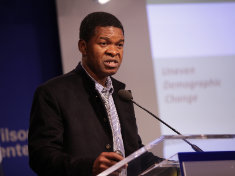
Parfait Eloundou-Enyegue: Generational Inequality in the Sahel a Security Risk
›
Rapid population growth, which many Sahelian countries are experiencing, is often associated with an increased risk of sociopolitical violence. But in this week’s podcast, Cornell University Professor Parfait Eloundou-Enyegue argues there is another factor related to demographic change that governments and development organizations should account for: inequality.
-
Looking Beyond 2015: Promoting Years of Sustainability by Responding to Megatrends
›2015 is a major test for the international system. The Sustainable Development Goals are expected to be adopted in New York in September and expectations for the UN Climate Summit in Paris are higher than perhaps any other time. “It is a critical year,” said Alan Hecht, director for sustainable development for the U.S. Environmental Protection Agency, “but our challenge is years of sustainable development. How do we take actions today, how do we prepare for the future in such a way that we will achieve a more sustainable outcome?” [Video Below]
-
Cooperation Is Not Enough: Why We Need to Think Differently About Water
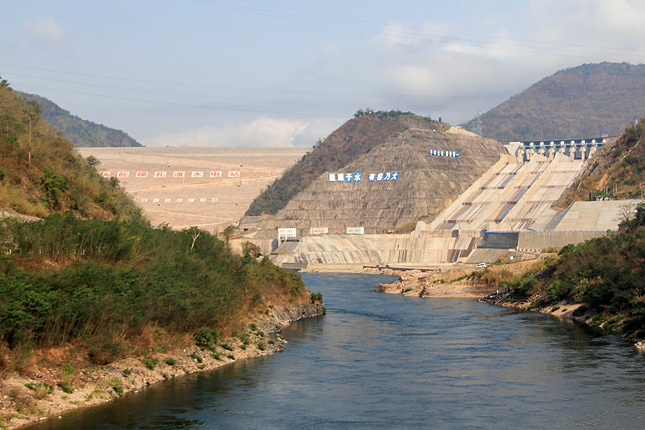
›In 2003, the United Nations General Assembly declared 2005 to 2015 to be the decade of “water for life” as a way to encourage countries to reach their water-related targets under the Millennium Development Goals. In summing up the last 10 years, it was noted that water cooperation had been promoted widely, featuring at international fora and in government initiatives and development agendas. Water cooperation is described as having the potential to enable peace and sustainable development. However, just as focusing on “water wars” might undermine the everyday challenges of securing safe and adequate supplies of water, focusing only on “more cooperation” may well simplify the problem at hand.
-
The Role of the Private Sector in Solving Asia’s Environmental Emergency: Interview With Mark Clifford
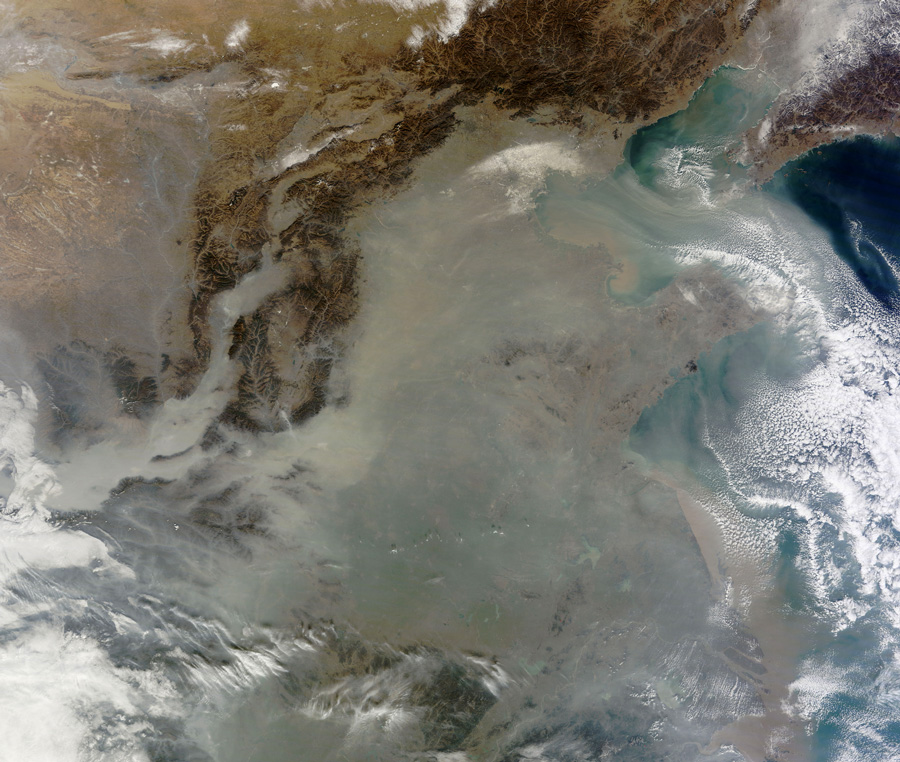
›From smoggy skies to rancid rivers and staggering slums, environmental challenges loom large for Asia. While much has been said about the role of government and NGOs in achieving a sustainable future, Mark Clifford, executive director of the Asia Business Council, believes companies are an indispensable but often overlooked part of the solution.
-
The Dark Side of Development: Displacement, Eviction in World Bank Projects and Ethiopia
›With the help of international aid, foreign land grabs in the Gambella region of Ethiopia have resulted in environmental degradation, more severe economic and social inequality, and human rights abuses, according to a new study by the Oakland Institute. We Say The Land Is Not Yours collects testimony from victims of “villagization,” a policy of forced displacement started under the military Derg dictatorship and, according to many, continued to this day under the guise of land investment. -
What’s Behind West and Central Africa’s Youthful Demographics? High Desired Family Size
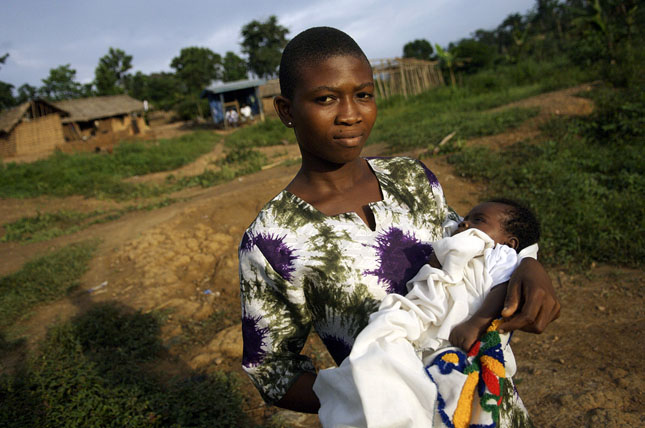
›May 11, 2015 // By Elizabeth Leahy MadsenSub-Saharan Africa is often characterized as an outlier in terms of population dynamics and reproductive health. While women are having fewer children around the world, even prompting some places to begin worrying about aging populations, the demographic transition is proceeding more slowly in Africa. Fertility rates in North and Southern Africa have declined to around three children per woman, but the three other sub-regions of the continent – East, Central, and West Africa – retain much higher fertility, between five and six children per woman. Whether, and how quickly, fertility rates decline in these regions over the next few decades will in large part determine the peak of world population. These regions’ demographic trajectories also have important implications for health, governance, food security, economic development, land use, climate vulnerability, and even security.
-
Under Modi, India’s Climate Goals Tied to Clean Energy Development
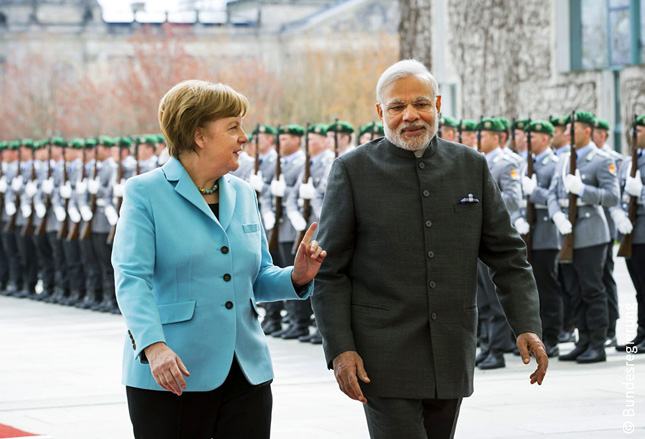
›India occupies a precarious position in the global climate change order. It trails only China, the United States, and the European Union in total emissions, but per capita emissions are far lower. India’s Prime Minister Narendra Modi won the 2014 elections on a strong pro-development platform and continues to wave this flag at all levels, making energy security a major priority and pledging to expand the country’s coal mining industry. But he also insists he will work with the international community on mitigating climate change. During a recent visit to France, Germany, and Canada, he declared, “India will set the agenda for the upcoming Conference of Parties” in Paris this fall.
Showing posts from category economics.