-
Alex Evans, The Guardian
Addis Financing Summit Leaves Questions – Will the SDGs Provide Answers?
›July 24, 2015 // By Wilson Center Staff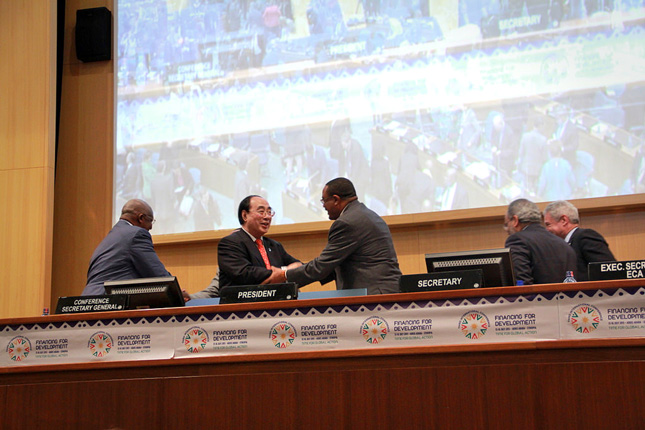
Start with the good news from this week’s finance for development conference in Addis Ababa: at least it got the narrative right.
-
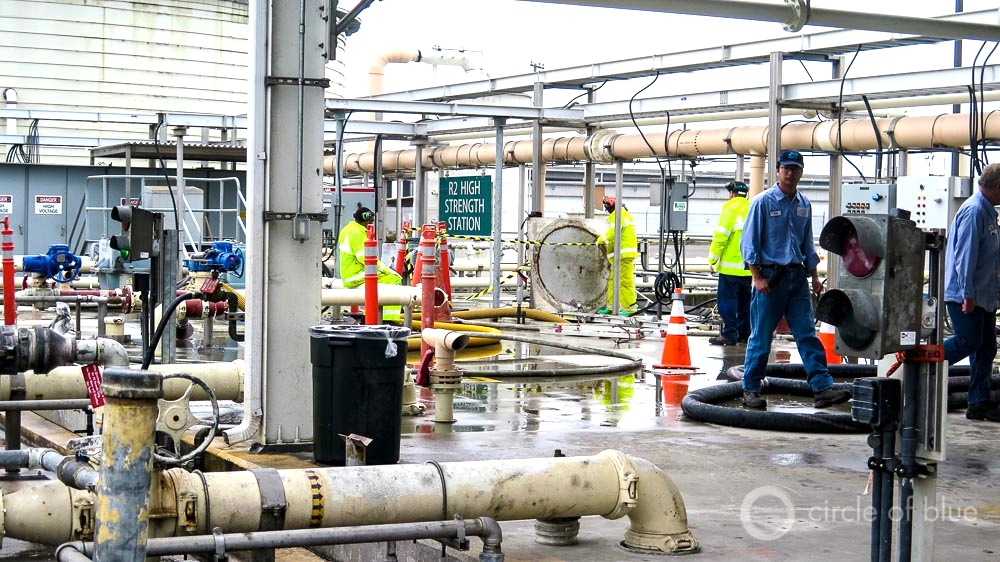
Oakland’s Water Treatment Plant Generates Its Own Energy and Then Some
›
Although treating wastewater generally ranks alongside police and fire safety, schools, and transit as the top priorities of any sensible city hall, new ideas about cleaning up sewage almost never attract headlines or TV airtime. In its 90-year history, for instance, The New Yorker, the most urbane and expansive magazine in the country, has never published a feature article on sewage treatment.
-
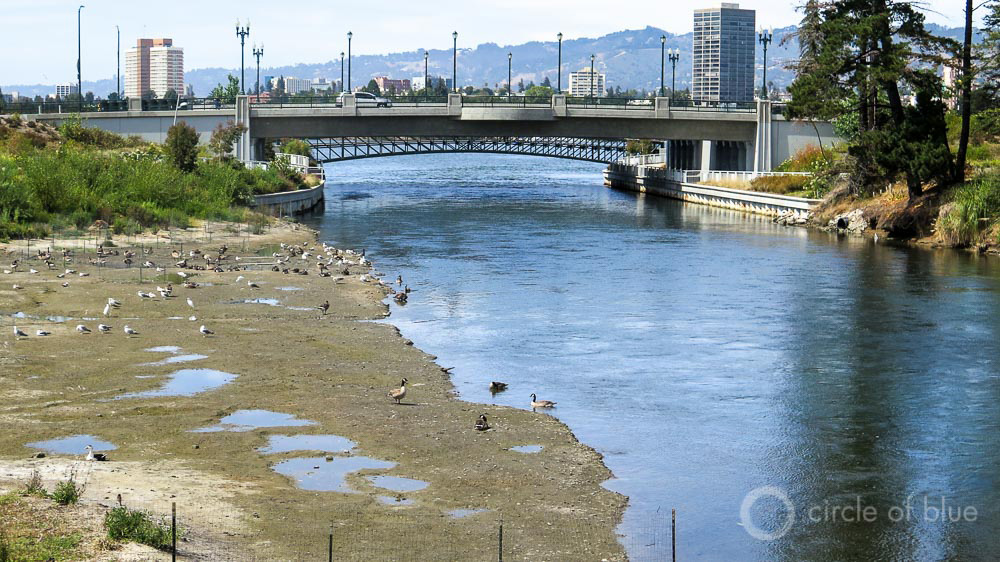
Oakland’s Web of Waters Shapes New Economy, Civic Energy
›In March 1999, not long after he was sworn in as the 47th mayor of Oakland, Jerry Brown called Lesley Estes, the supervisor of the city’s watershed protection program. Brown, who is now California’s governor, wanted the city staffer he called “Creek Lady” to describe the most formidable ideas she had to conserve natural areas, make parks more beautiful, and clean up the city’s waters.
-
Peter Schwartzstein, National Geographic
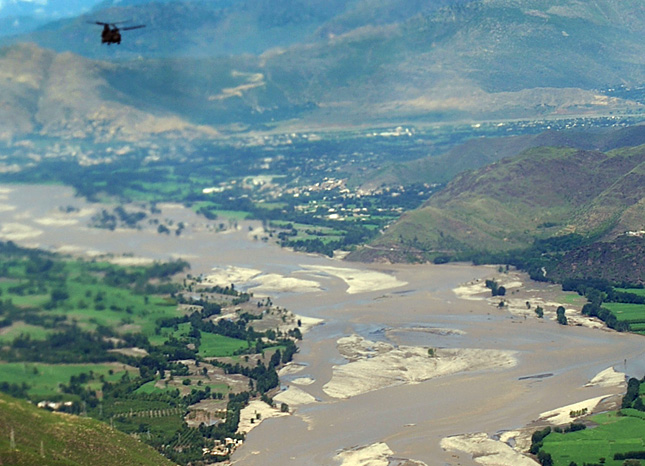
After Spark of Hope, Iraq’s Marshes Are Again Disappearing
›July 13, 2015 // By Wilson Center StaffAs Saddam Hussein drained Iraq’s famed marshes to punish the rebellious tribesmen who lived in them, Amjad Mohamed packed his few possessions, grabbed his fishing rod, and fled south to Basra with his extended family.
-
A New Climate for Peace: Taking Action on Climate and Fragility Risks (Report Launch)
›As momentum builds towards the negotiation of the Sustainable Development Goals and UN climate change summit later this year, the G7 countries – France, Germany, Italy, Japan, Canada, the UK, and the United States – have made a strong statement about the importance of climate security risks. A New Climate for Peace: Taking Action on Climate and Fragility Risks, an independent report commissioned by G7 foreign ministers and authored by a consortium of international organizations including the Wilson Center, analyzes the security and stability risks posed by climate change and offers concrete policy options for addressing them. [Video Below]
-
A Nuclear Deal Could Help Iran Harness a Youthful Labor Force
›Iran is poised to reap a vast “demographic dividend” if the appropriate national and international policies are adopted, including a nuclear deal with the P5+1 (five permanent members of the UN Security Council, plus Germany).
-
Eric Larson and Sarthak Gupta, Climate Central
Shift from Coal to Gas Means Power Plants Are Using Less Water [Infographic]
›As the U.S. has undergone a rapid and massive shift to natural gas from coal, one benefit has gone almost entirely overlooked: the amount of water needed to cool the nation’s power plants has dropped substantially.
-
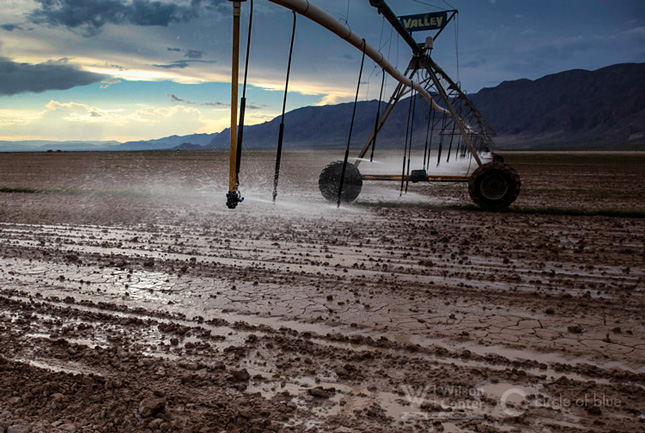
Water Scarcity Could Prevent Fracking From Spreading Into Northern Mexico
›Before world oil prices collapsed late last year, shop owners closest to the banks of the Rio Grande River in Piedras Negras joked that they could hear the groans of Texas drilling rigs advancing toward their fast-growing northern Mexico city.
Showing posts from category economics.