-
Mapping Climate Security: New Dashboard Tool Visualizes Complex Vulnerability in Asia
›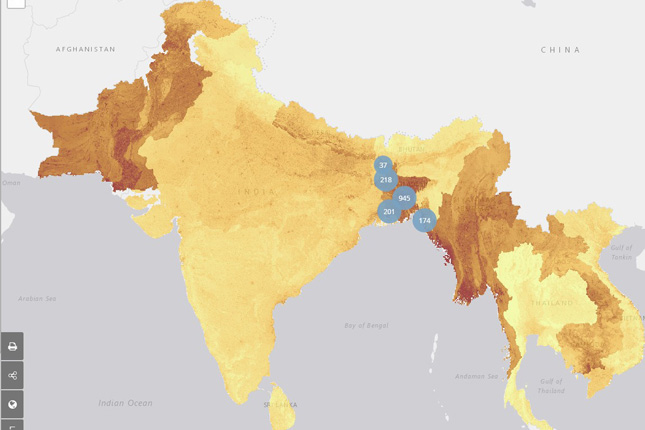
In many parts of South and Southeast Asia, high population density and vulnerability to climate change combine with low levels of household resilience and poor governance to increase security concerns and the potential for political instability. To help identify risks and hotspots in this critical region, the Complex Emergencies and Political Stability in Asia (CEPSA) program at the University of Texas-Austin recently launched the Complex Emergencies Dashboard, which integrates raw data and modeling with mapping technology, allowing users to visually analyze regional security issues. The project was funded by the Department of Defense’s Minerva Initiative, which also supported similar work by the university’s Climate Change and African Political Stability (CCAPS) program.
-
Weakened by the Storm: Disasters and the Fighting Capacity of Armed Groups in the Philippines
›Many studies on natural disasters and conflict have assumed that disasters make it easier for rebel groups to recruit new members by fueling grievances against the government and lowering the opportunity costs of joining an insurgency, and that this recruitment will increase conflict. But disasters may actually have the opposite effect. My study of rebel groups in the Philippines, recently published in the Journal of Peace Research, suggests that by weakening the organizational structure and supply lines of rebel groups and their ability to enlist new fighters, disasters may instead reduce the intensity of the conflict, rather than increase it.
-
The Water Wars Within: Preventing Subnational Water Conflicts
›
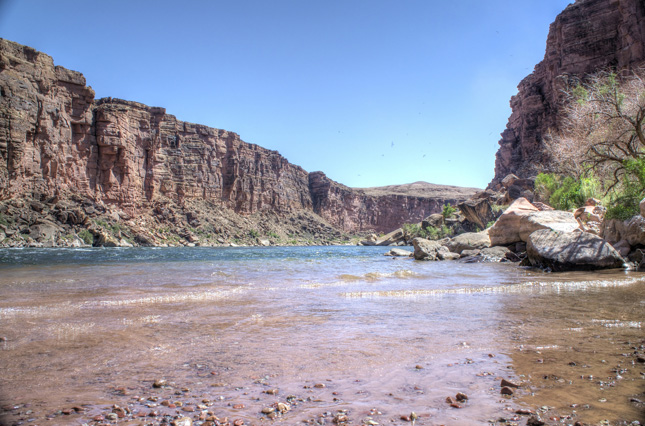
In 1995, World Bank official Ismail Serageldin warned that “the wars of the next century will be fought over water—unless we change our approach to managing this precious and vital resource.” Since then, the world’s water resources have come under ever-greater strain. At the same time, institutional frameworks for managing water resources remain weak throughout most of the globe. Only about a quarter of the world’s international river basins have adequate governance arrangements to prevent and resolve conflicts. Does this mean that we can expect the 21st century to be wracked by water wars?
-
A Watershed Moment for Iraqi Kurdistan: Subnational Hydropolitics and Regional Stability
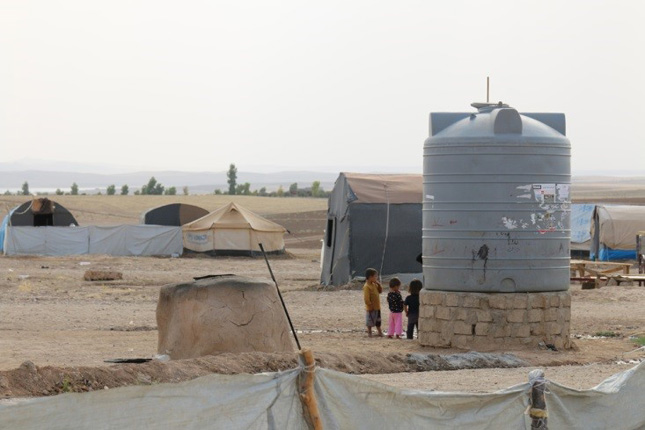
›Iraqi Kurdistan is blessed with abundant water resources, but these resources are under increasing stress. Changing demographics, dam building in neighboring countries, and drought have driven Kurdish hydropolitics to a critical juncture where two distinct water futures are possible—and both have implications for regional stability and for U.S. interests.
-
New Global Analysis Finds Water-Related Terrorism Is On the Rise
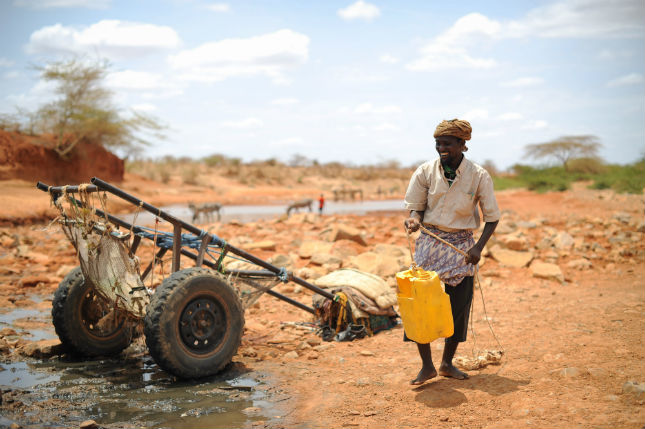
›In 2014, after losing a number of Somalian cities it had captured to African Union and Somali troops, the terrorist group Al-Shabaab changed its tactics. To demonstrate its continued power and presence, Al-Shabaab cut off water supplies to its formerly held cities. Residents from these cut-off cities were forced to fetch water from nearby towns, many of which Al-Shabaab controlled. But the terror group prevented anyone living in government-controlled territory from entering, which increased people’s frustration with the government.
-
A Ukrainian Stand-Off: The Toxic Consequences of Armed Conflict in Donbass
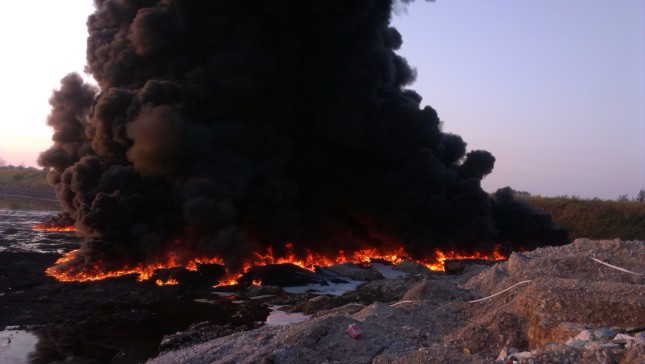
›A looming industrial tower of pipelines and chemical storage tanks rises out of snowy landscape. In Novogorodske, a small quiet town in eastern Ukraine, workers go about their daily business at the Dzerzhinsk Phenol Factory. A penetrating, inescapable smell greeted us as we entered the village, which a Dutch journalist and I are visiting as part of our investigation into the environmental and health risks from ongoing fighting in Eastern Ukraine. Our research for the open-source collective Bellingcat has identified the factory as one of a number of potential environmental flashpoints.
-
Halvard Buhaug: Climate Changes Affect Conflict Dynamics
›“Climate is unquestionably linked to armed conflict,” says Halvard Buhaug, Research Professor at the Peace Research Institute Oslo, in the latest Wilson Center podcast.“If we produce a map of the world with locations of ongoing and recently entered armed conflicts, and we superimpose on that map different climate zones or climatic regions, we would very easily see a distinct clustering pattern of armed conflicts in warmer climates.”
-
Mining Transparency in Myanmar: Can the Extractive Industries Transparency Initiative Lead to a More Sustainable Democracy?
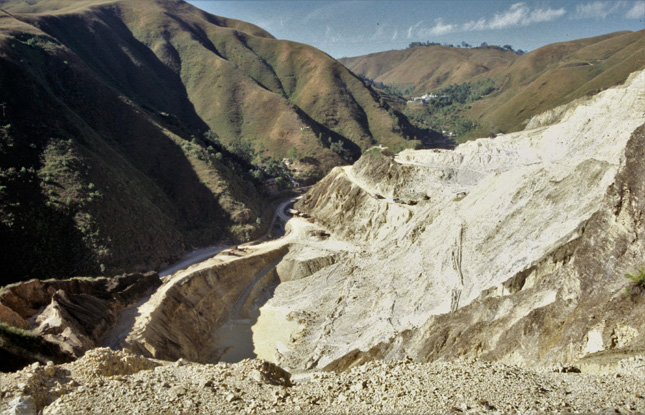
›Myanmar is rich in natural resources—gas, oil, minerals, and gemstones—yet is still one of the world’s least developed countries. Extractive industries are the country’s most lucrative sector and the government’s main source of revenue, but most of the benefits do not reach its citizens. Instead, resource extraction in Myanmar causes severe environmental and social problems and fuels and sustains some of the country’s longstanding ethnic conflicts.
Showing posts from category conflict.
 “Climate is unquestionably linked to armed conflict,” says Halvard Buhaug, Research Professor at the Peace Research Institute Oslo, in the latest Wilson Center podcast.