-
Age-structure and Intra-state Conflict: More or Less Than We Imagined?
›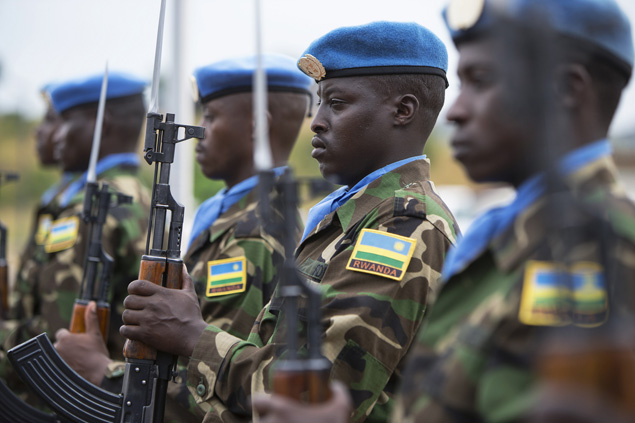
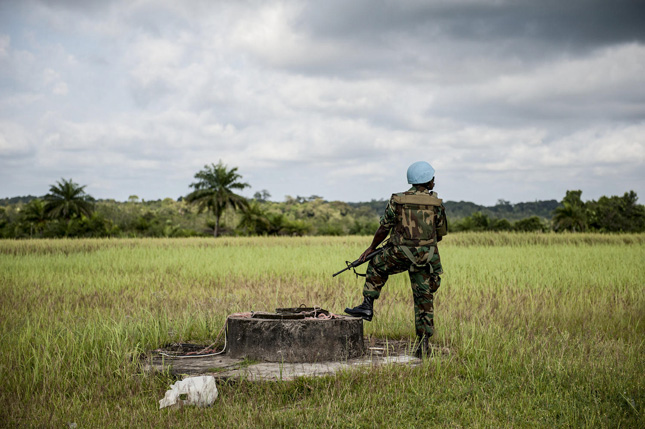
Are younger countries at higher risk of civil conflict? The International Crisis Group’s 2018 list of 10 conflicts to watch suggests they might be: Like last year, intra-state conflicts (civil and ethnic conflicts within states, rather than wars between states) dominate the list, and among those, about 70 percent are within youthful countries, or states with a median age of 25.5 years or younger. The only multi-state cluster mentioned in both 2017 and 2018 lists is the Sahel, the world’s most youthful region.
-
Beyond Violence: Drought and Migration in Central America’s Northern Triangle
›
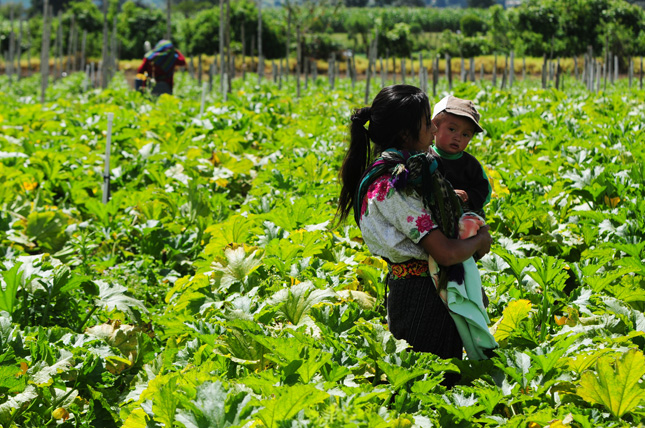
Starting in 2014, the number of migrants from Central America’s Northern Triangle—Guatemala, El Salvador, and Honduras—surged, with border apprehensions increasing fivefold from 2010-2015. While apprehensions have declined from their peak, emigration from these countries has not necessarily slowed, and the conditions the migrants are seeking to escape have not changed. Experts blame the region’s widespread criminal violence for spurring migration. But the Northern Triangle countries also share similar ecology, staple crops, and vulnerability to climate events. While environmental and natural resource factors are just part of the complex picture, understanding how they intersect with other migration drivers is key to creating and implementing effective policy responses.
-
Go Tell the Crocodiles: Chasing Prosperity in Mozambique
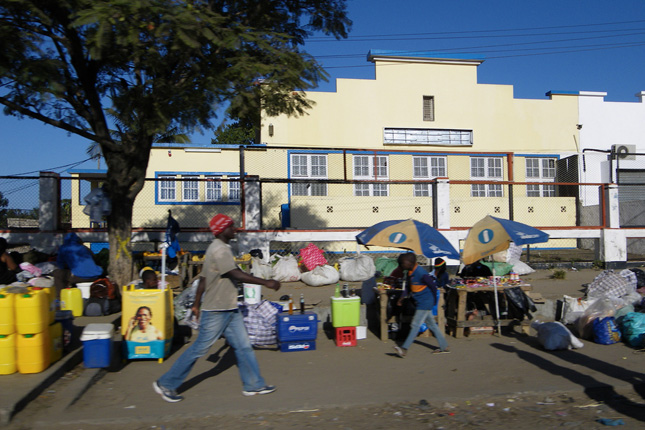
›Just outside Nampula, in northern Mozambique, a huge granite dome overlooks the city, 500 feet high and a half-mile across. All along its southern flank, hundreds of men work in small groups, whittling away at the rock face with sledgehammers and picks. Smoke rises before dawn until well after dusk, as they stoke fires to heat the granite and use crowbars to prize free tombstone-sized slabs. Day by day, the mountain is carted away by the wheelbarrow-full. It’s backbreaking work that yields barely enough to live. Yet these informal quarries are nevertheless among the region’s largest employers. Certainly, more people have found work here than with Kenmare Resources, the Irish company that has sunk more than US$1 billion into mining titanium deposits along the nearby coast.
-
Climate Change and Conflict: New Research for Defense, Diplomacy, and Development
›“Climate is unquestionably linked to armed conflict,” said Halvard Buhaug, a professor at the Peace Research Institute Oslo and the Norwegian University of Science and Technology, at a recent Wilson Center event marking the end of the three-year Climate Anomalies and Violent Environments (CAVE) research project. But, he stresses that under a changing climate, exactly how and through what pathways is still a subject of much debate in the academic community.
-
The Next “Day Zero”: Water Scarcity and Political Instability Beyond Cape Town
›Cape Town is running dry. But thanks to its sophisticated water management efforts, the city may ride out the crisis. However, other cities that lack these capacities are less likely to survive Day Zero. Especially in developing countries, where urban water services are often provided by informal or illegal actors, running out of water could have dangerous ripple effects for peace and security.
-
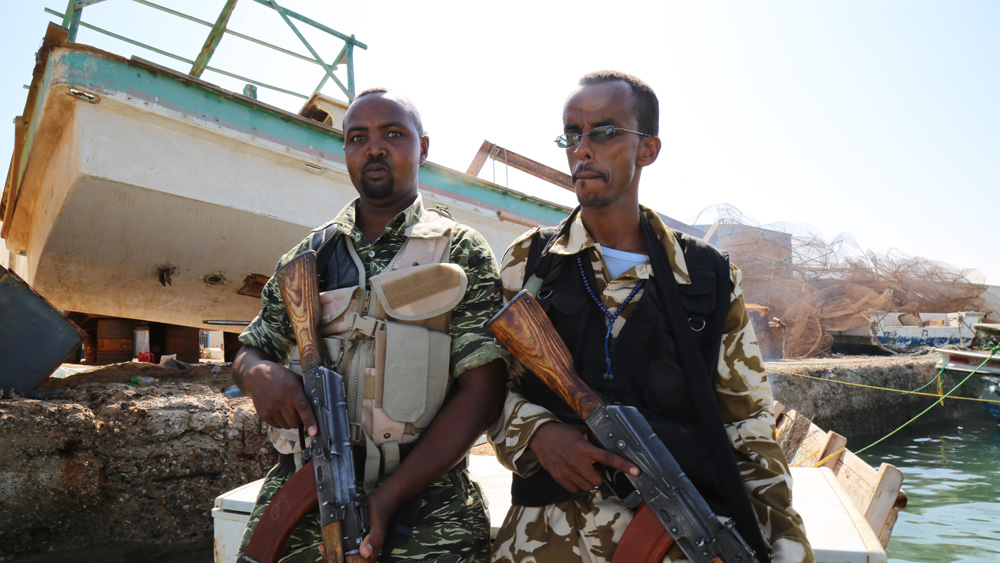
Somali Pirates Return as Illegal, Unregulated, and Unreported Fishing Continues in the Gulf of Aden
›After pirates hijacked an Iranian fishing vessel last year near Bosasso, a major seaport in Puntland, Somalia, local authorities observed that the offending boat was casting nets without a license. While piracy has diminished since 2008-2012, when these waters became some of the most lawless in the world, a spate of incidents in 2017-8 has made it clear that the conditions that led to piracy—including incursions from foreign fishing boats—are still a major problem.
-
A Paradigm for Peace: Celebrating “Environmental Peacemaking”
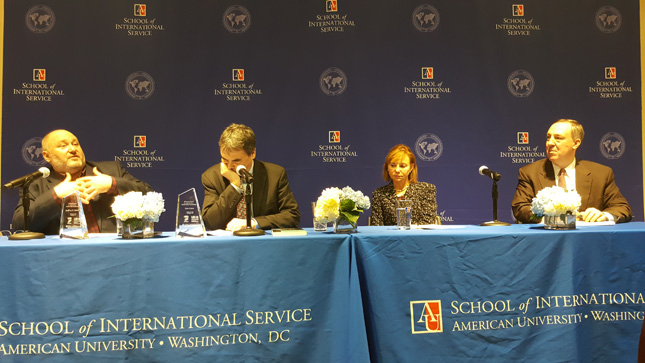
›March 20, 2018 // By Wilson Center Staff“Most fundamentally, we turned the ‘resource scarcity drives conflict’ argument on its head and asked, ‘Can environmental interdependence drive cooperation in ways that can be harnessed to build trust and contribute to conflict prevention and peacebuilding?’” said Geoff Dabelko, Associate Dean at Ohio University’s Voinovich School of Leadership and Public Affairs, about Environmental Peacemaking, which was one of the first books to investigate these questions. In the 15 years since he and Ken Conca, a professor at American University’s School of International Service, published their edited volume, the idea that shared environmental issues could be used to build peace has become a focus of innovative research, policy, and programs.
-
The Nuts and Bolts of a Climate-Conflict Link in East Africa
›A recent article in Nature Climate Change has spurred a new chapter in the lively scholarly debate over the potential relationship between climate change and violent conflict. We agree with the article’s authors that there are several forms of sampling bias in this field, including how regions are selected for analysis. But simply addressing this sampling bias will not resolve many of the academic controversies that have raged since the mid-2000s. Our recently published study in International Studies Review examines the mechanisms connecting climate change or its consequences to violent conflict and concludes that to move this research agenda forward, researchers must pay deeper attention to the “nuts and bolts” that shape both climate-related conflicts and our understanding of them.
Showing posts from category conflict.