-
Green Politics Is Local
›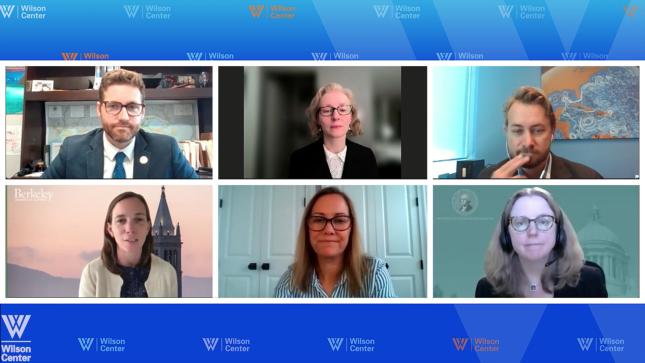
In April 2021, the Biden administration announced a new greenhouse gas emissions reduction target for the United States. In the accompanying “nationally determined contribution” submitted to the United Nations Framework Convention on Climate Change, the administration highlighted the interplay between national and subnational policy in driving climate progress. The document promised that federal action will “[build] upon and [benefit] from a long history of leadership on climate ambition and innovation from state, local, and tribal governments.”
-
Exploring Climate Security: Why Bad Outcomes Occur in Some Places and Not Others
›
My latest book—States and Nature: The Effects of Climate Change on Security (Cambridge University Press)—has been more than two decades in the making. And as I reflect on that journey, I see significant parallels between my own trajectory and the larger efforts to define and refine thinking about climate security.
-
Top 5 Posts for May 2022
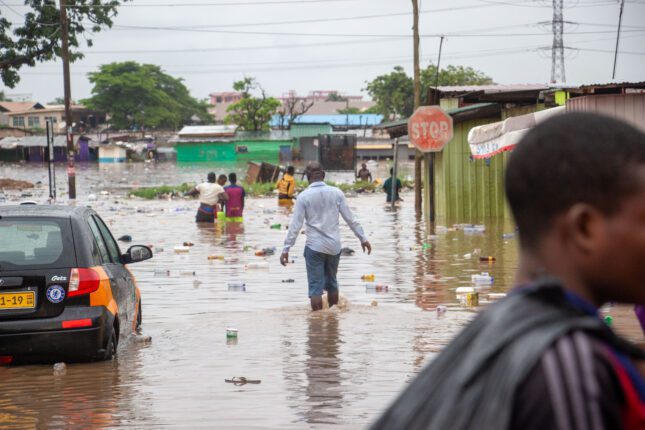
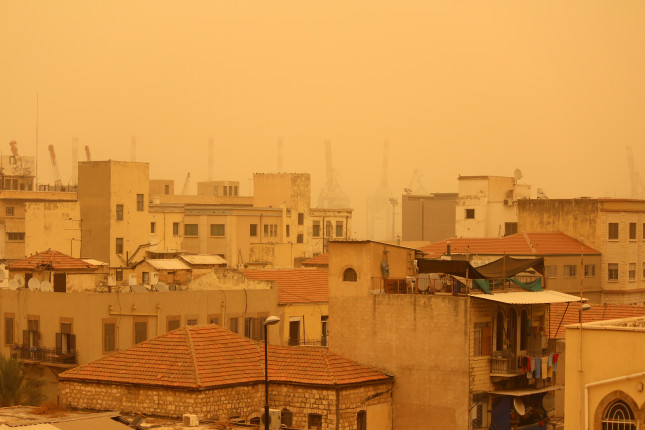
›In Iraq, climate change is adding stress to an already precarious situation. Weak public services, growing unemployment, fossil fuel-related environmental and health hazards, and other factors have generated high levels of social vulnerability and contributed to recent protests. In the top post for May, Dylan O’Driscoll and Shivan Fazil write about how, against this fragile backdrop, insecurity is heightened by increasingly deadly flash floods and more frequent dust storms that pose a public health threat.
-
Preventing a “Green Resource Curse”: Opportunities and Risks of Mining in the Global Energy Transition
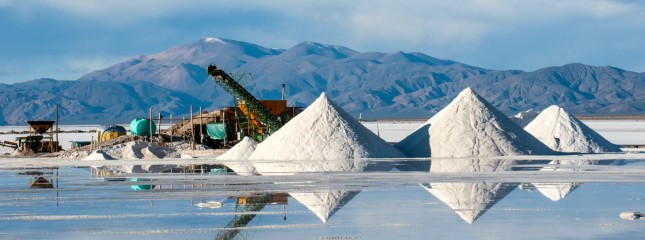
›Is a “green resource curse” on its way? Kimberly Thompson, a Senior Advisor for Natural Resources and Conflict and the Industry Lead for Mining at the U.S. Agency for International Development (USAID), says that the current status quo in the green mining industry risks “inadvertently creating the conditions” for it to happen.
-
New Security Broadcast | Clionadh Raleigh on Reframing “Climate Security”
›About half the world’s population lives in an area of active or latent conflict. And few corners of the planet are not feeling the effects of climate change. But in this week’s New Security Broadcast, researcher Clionadh Raleigh cautions against drawing too strong a connection between the two phenomena in an interview with ECSP Director Lauren Risi. -
Public Participation: A Counter to Climate Policy Backdraft?
›
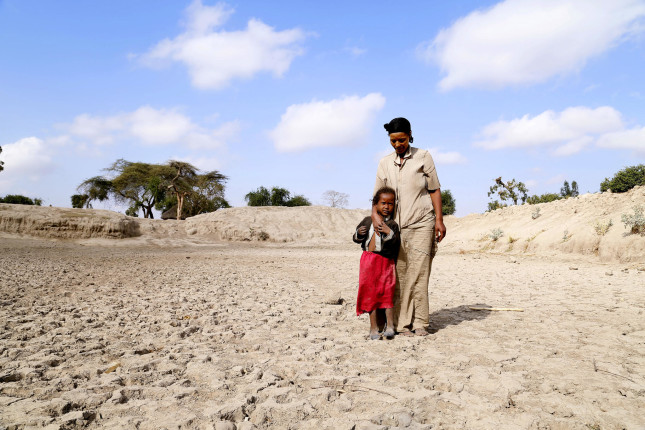
In an increasingly unpredictable world of pandemics, conflict, and disasters, climate change is often at the center of conversations about the instability of global affairs. From California wildfires to droughts across East Africa, the role of climate cannot be ignored in any analysis of global unpredictability. And citizens around the world know it. Growing global public support for governments to aggressively act on climate change has led to an increase in policy action on climate issues.
-
Plastic River: Following the Waste That’s Choking the Chao Phraya
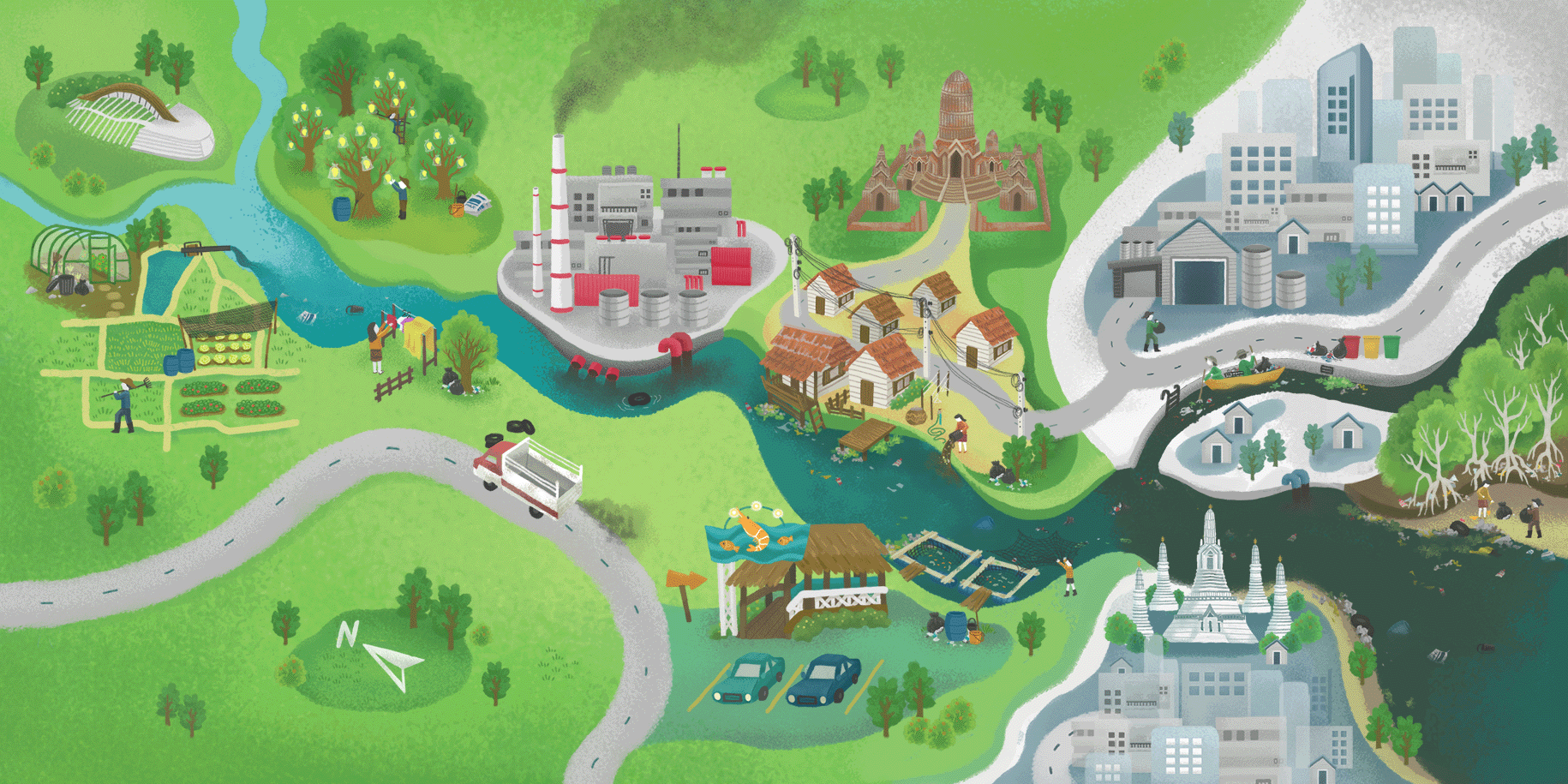
›China Environment Forum // Guest Contributor // Vulnerable Deltas // June 16, 2022 // By Wanpen Pajai & Mailee Osten-Tan (Photographer)The Chao Phraya River is born from mountain streams in northern Thailand, flowing hundreds of kilometers south to the sea. By the time the river travels through Bangkok and empties into the Gulf of Thailand, it is carrying huge quantities of plastic waste – an estimated 4,000 metric tons every year, equal to the weight of 26 blue whales. The plastic clogs the river along its course, drastically impacting communities and the waterway’s ecology. The Third Pole traveled from the Chao Phraya’s beginnings to the sea to explore what’s happening to one of Southeast Asia’s most important rivers. -
A Climate Finance Rethink Can Help Those Most Impacted by Climate Change
›The massive floods, heat waves, raging wildfires, and devastating droughts of 2021 brought the present reality of climate change’s catastrophic impacts on people and ecosystems home to our doorsteps.
Showing posts from category climate change.
 About half the world’s population lives in an area of active or latent conflict. And few corners of the planet are not feeling the effects of climate change. But in this week’s New Security Broadcast, researcher Clionadh Raleigh cautions against drawing too strong a connection between the two phenomena in an interview with ECSP Director Lauren Risi.