-
Joel Cohen on Why Students Should Consider Demography
›“Why should you consider taking a demography course in college?” That’s the question Joel Cohen, noted demographer and professor at Rockefeller and Columbia University, looks to answer in a 45-minute introduction to demography produced by the Floating University and released for free on YouTube.
-
Making ‘Beyond Seven Billion’: Reporting on Population, Environment, and Security
›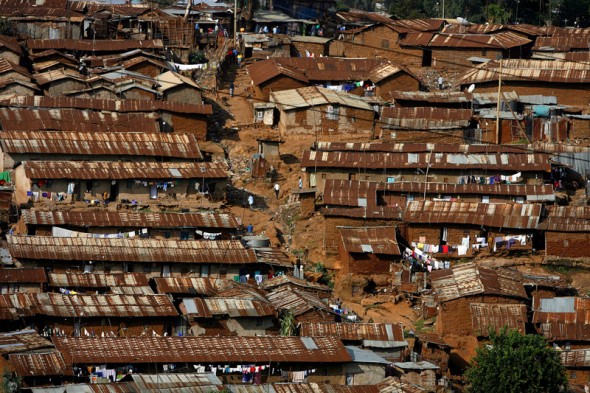
“When I embarked on this series, I approached it as an environmental reporter: What does a growing number of us and growing consumption mean for our planet?” said Los Angeles Times reporter Ken Weiss at the Wilson Center on October 9. Weiss, along with photographer Rick Loomis, recently completed a five-part series and multimedia presentation on global population that was the culmination of a year of research and travel through more than six countries. [Video Below]
-
Connecting the Dots Between Security and Land Rights in India
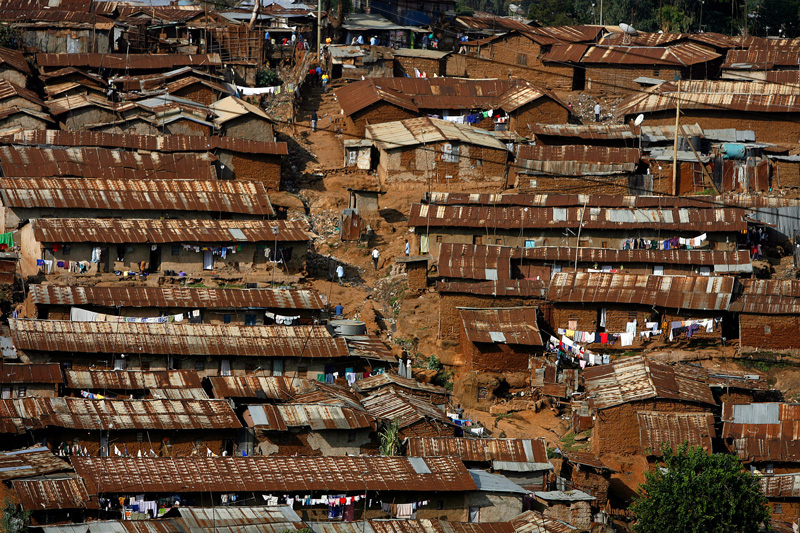
›Across India, where I live and work, I can clearly see the connection between land rights and peace and security.
With respect to personal safety and security: 12 percent of all murders here are related to conflicts over land.
On a provincial level: few weeks go by without newspapers here reporting on violence between communities who are battling over land.
-
Clean Cookstoves and PHE Champions on Tanzania’s Northern Coast
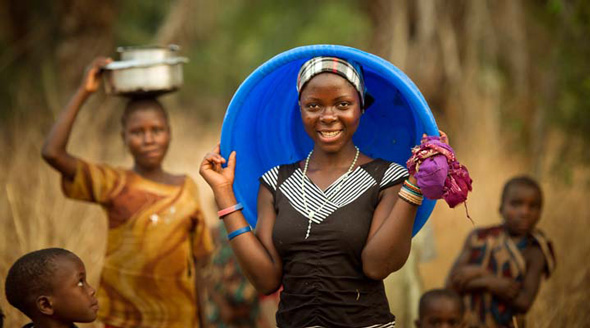
›As our ferry slowly made its way across the Pangani River along the northern coast of Tanzania, I sat next to a woman whose child held her hand tightly. The boy and I exchanged smiles, but we mainly admired the view. The late morning sun was behind us as the royal blue river met the cloudless sky.
-
Linking Biodiversity and WASH Efforts in Africa
›
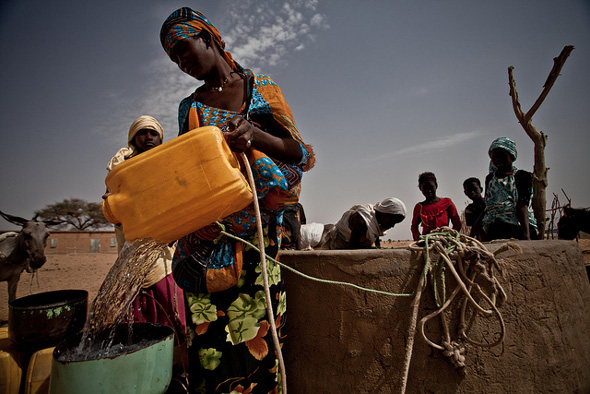
Sub-Saharan Africa is a key region both for conservationists and those working for improved public health. Nine of the world’s 34 biodiversity hotspots are in sub-Saharan Africa, as are two of the five most important wilderness areas. This hotbed of biodiversity is also home to many of the world’s most rapidly growing populations and swelling urbanization, which is putting increased pressure on natural resources.
-
Top 10 Posts for October 2012
›Water – and its relationship with development, food, demography, and conflict – dominated October’s top 10 posts. Jeremiah Asaka’s guest contribution on resource conflict in Kenya and Kate Diamond’s look at SAB Miller’s surprisingly on-point summary of the water-energy-food nexus were new additions. Carolyn Lamere’s posts on the health of the world’s major aquifers and the political situation along the Nile basin made reappearances. And the drought across the U.S. West is still on, driving interest in Graham Norwood’s summary of how it might impact world food prices and its connection to climate change.
-
Education as a Conservation Strategy – Really?
›The original version of this article appeared in The Nature Conservancy’s October issue of their Science Chronicles newsletter.
It seems like everywhere you turn recently, you hear how the planet’s population is headed to 10 billion. And obvious questions follow: How can we balance far more people with the natural resources needed for their survival? How will we get more food? How will we get more energy?
-
From Dirty Wells to Endocrine Disrupters: Covering Women, Water, and Health at SEJ 2012
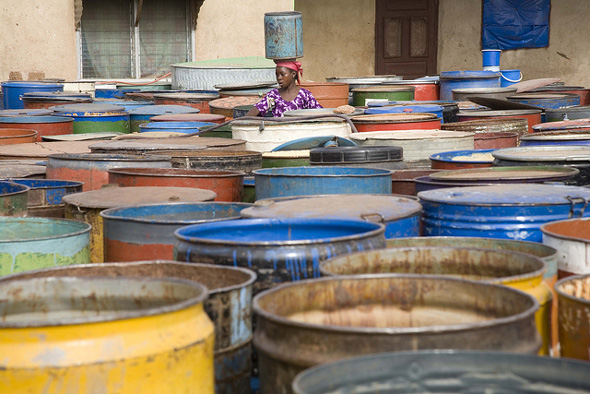
›Access to safe water is often taken for granted in developed countries. But last week at the 22nd annual conference of the Society of Environmental Journalists, panelists argued that the impact of dirty water on women’s health is an important but neglected story, not only in developing countries like Nigeria, but also in the United States.
Showing posts from category *Blog Columns.