-
New Security Broadcast | US Climate Envoy John Kerry on the Importance of Our Oceans
› It is fully within our power to guarantee a healthy ocean and protect it for the future, says Special Presidential Envoy for Climate John Kerry in today’s episode of the New Security Broadcast. Kerry spoke at a recent Wilson Center event hosted in partnership with the Embassy of Panama to spotlight the 8th Our Oceans Conference, scheduled to take place in March in Panama. In his remarks, Kerry emphasized the vital role the ocean plays in supporting global food security and economic prosperity as well as the imperative to take action to protect the ocean from climate change.
 -
Klamath Dam Removal: A Key Step in Freshwater Restoration and Protection Goals
›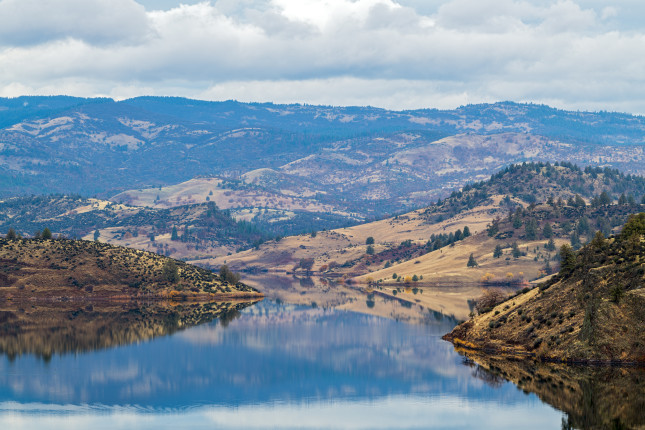
The Klamath River Dam removal, slated for early 2024, is a significant milestone in the journey towards bringing back healthy rivers in the United States. This action will restore nearly 300 miles of river habitat in the Klamath and its tributaries across Southern Oregon and Northern California, allowing salmon, a critical source of economic and nutritional value for the local communities, to return. As the world’s largest dam removal and river restoration project in history, this project will have lasting impacts on the health of this river and represents an opportunity for building momentum to continue global river protection and restoration.
-
Answering the Amazon’s Call: Can the Private Sector Mobilize for its Protection?
›Luiz Inácio Lula da Silva’s victory in Brazil’s presidential election on October 30, 2022—and his appearance at the COP27 summit on November 16—have put protecting the Amazon basin back on the agenda. Speaking at a Wilson Center event on November 4, Iván Duque Marquez, Former President of the Republic of Colombia and a Distinguished Fellow at the Center, highlighted why it was vital to counter the threat to this magnificent biome: “The Amazon is the most biodiverse area in the planet. The Amazon River discharges in one hour the same amount of fresh water that is consumed in a year by 7000 million people; and, at the same time, the Amazon in terms of size is twice the size of the EU and is larger than the United States without Alaska.”
-
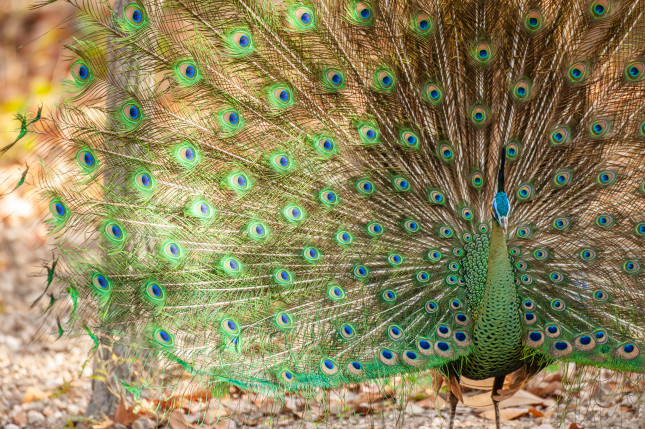
Peafowls Halt Dam: A One-off or One Step Forward for China’s Environmental Public Interest Law?
›The slogan “lucid waters and lush mountains are invaluable assets” seemed omnipresent in China in 2015, highlighting a crucial part of Xi Jinping Thought on Ecological Civilization. Yet this powerful formulation proved vague in execution, giving local policymakers new headaches on how to strike the balance between development and conservation in making new laws. China’s judiciary faced an even stickier problem. How do you try such cases in the absence of concrete legal text and sufficient legal precedents?
-
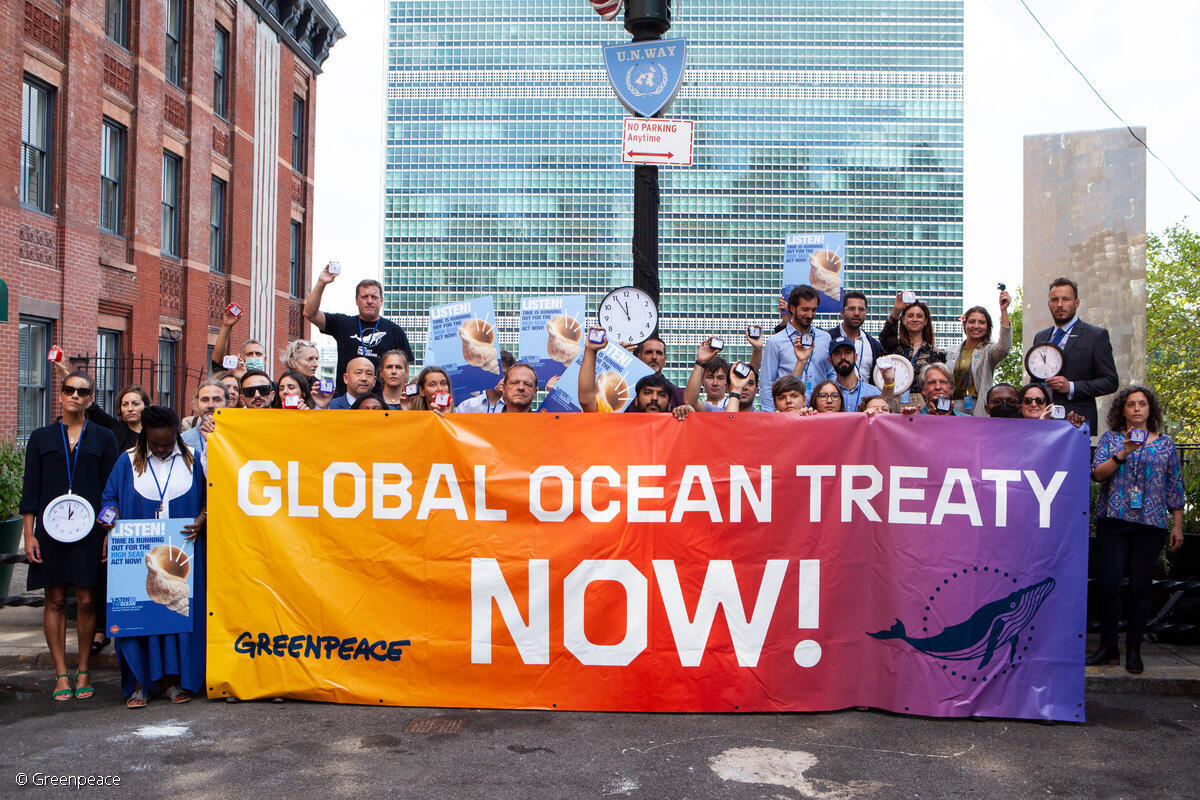
Deadlock in the Negotiation Rooms to Protect Global Oceans
›For decades, western multinational companies have been profiting by exploiting plant, animal, or microbial genetic resources obtained from less developed countries. Take the neem tree, for example. Since the 1990s, international companies have registered more than 70 patents on products derived from India’s “tree of life.” Yet these patents have prohibited local people from using these trees (as they had for centuries) to make cosmetics, fertilizers, and medicines.
International companies have now turned their eyes to the high seas in a new hunt for genetic resources. Concerned they will be left out of the potentially profitable patents once again, developing nations are demanding equitable use and benefit sharing of genetic resources in ongoing global ocean treaty negotiations.
-
High Stakes: China’s Leadership in Global Biodiversity Governance
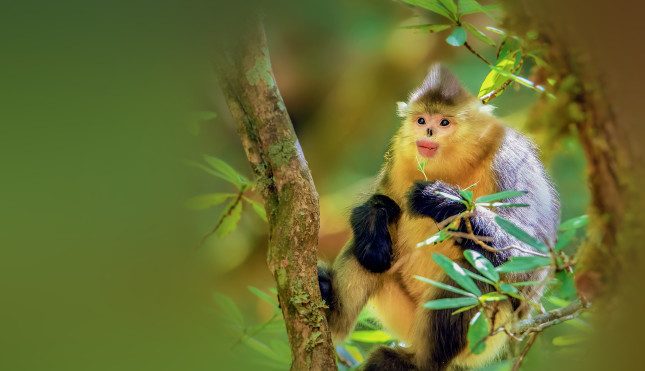
›China Environment Forum // Guest Contributor // Vulnerable Deltas // November 3, 2022 // By Jesse RodenbikerAs countries prepare to gather for the Fifteenth meeting of the Conference of the Parties (COP) to the Convention on Biological Diversity (CBD) in December 2022, the stakes for global biodiversity couldn’t be higher. Over the last half century, global wildlife population sizes plummeted by 60 percent. A 2019 UN report, one among many, warned that the current global response to this accelerating loss of species is insufficient and that “transformative changes are needed to restore and protect nature.”
-
Addressing the Global Food Crisis: CIMMYT Experts Weigh In
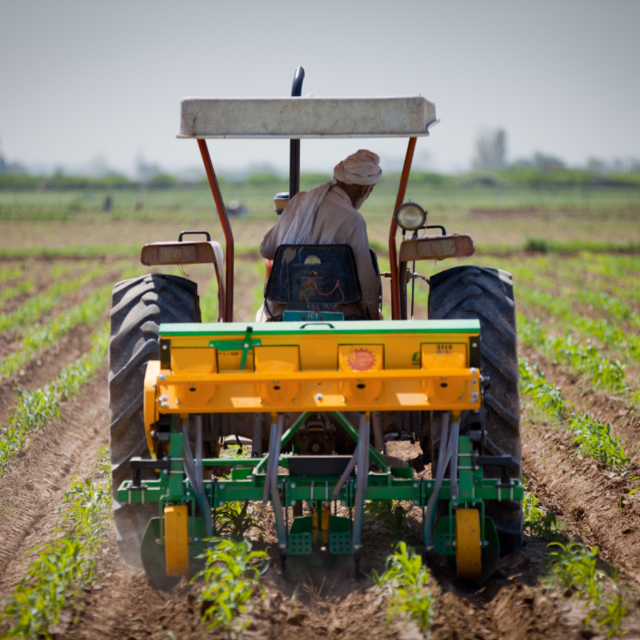
›The confluence of climate change, COVID-19, and the war in Ukraine have placed enormous stress on food systems across the globe. Food insecurity spiked in 2020 and has stayed high, and the number of undernourished people is on the rise. -
Tackling Scarcity and Building Security: A Response to IUU Fishing
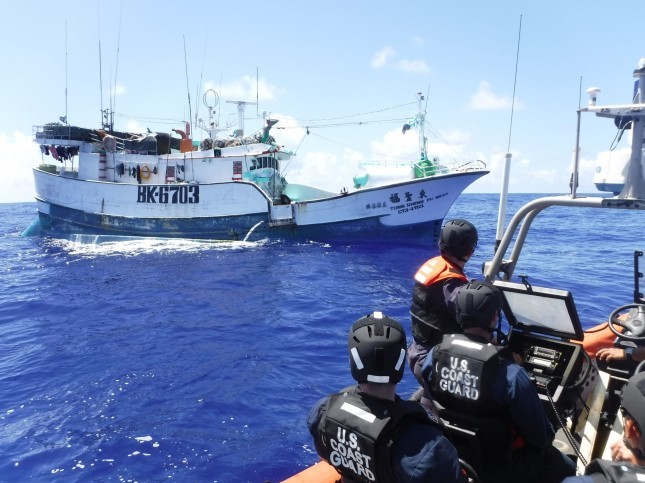
›Last month, as global leaders met in Lisbon for the UN Oceans Conference, President Biden signed a National Security Memorandum to address the challenge of illegal, unreported and unregulated (IUU) fishing. This event is a promising sign that the U.S. and other governments are accelerating the response to the threat that IUU fishing poses—not just to the environment, the economy and human rights, but also to global peace and security.
Showing posts from category biodiversity.
 The confluence of climate change, COVID-19, and the war in Ukraine have placed enormous stress on food systems across the globe.