-
Blue Jeans Contaminating Blue Oceans: The Expanding Microfiber Footprint of Our Clothes
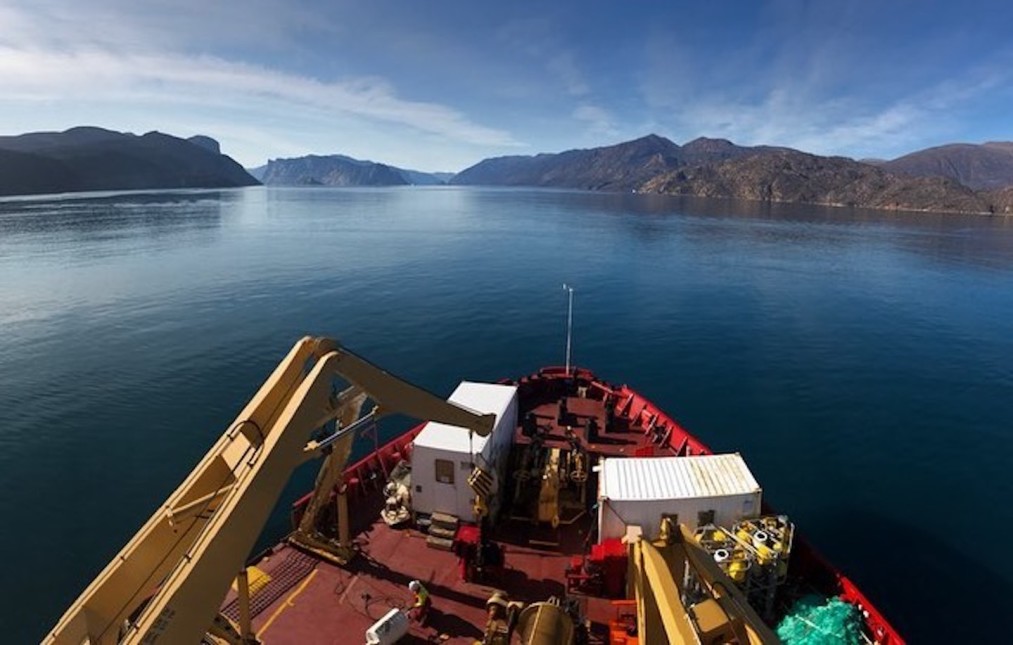
›The Arctic is believed to be a pristine environment, far removed from littered city streets and toxic industrial emissions. I study human pollution and I found it hard to believe that my fellow researchers and I would find so much litter out here. It was even harder to believe that what we uncovered closely resembled the contents of my own closet, over 3,000 kilometers (2,000 miles) away in Toronto. -
U.S. and Chinese Aquaculture Taps into a Carbon-Free Geothermal Energy Source
›
From Friday night fish fries to shrimp cocktails, people sheltering in place have learned how to cook their favorite dishes at home. As a result U.S. seafood sales have doubled during the pandemic. Globally, the United States ranks fifth in seafood consumption and China—where hunger for seafood has skyrocketed with rising incomes—is number one. While wild fisheries are on the decline, aquaculture is expanding to increase the global food supply.
-
COP15 in Kunming: A New Role for China in Global Conservation?
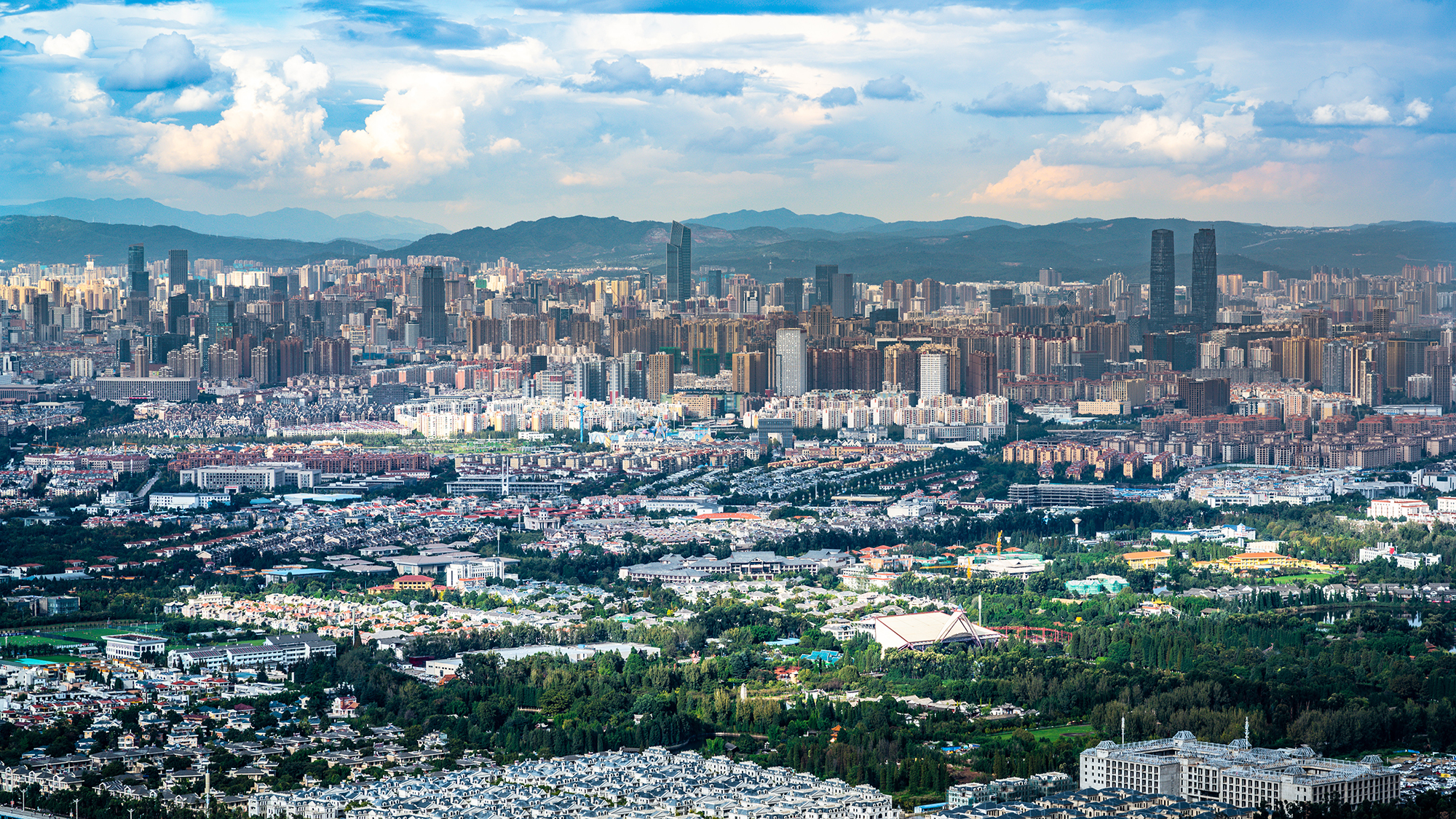
›“China is ready to host COP15” read the headline of a feature advertisement placed by the Chinese COP15 Executive Committee in Nature Magazine. The piece espoused the capacity and commitment of the Chinese negotiating team, which “comprises the nation’s best and brightest minds,” the Chinese institutions involved in hosting the event, and the urgency of the task at hand. The Convention on Biological Diversity’s 15th Conference of the Parties (CBD COP15), originally planned for October 2020, was delayed twice due to the Covid-19 pandemic. It is now planned as a two-part event: the first part was held online from October 11-14 2021; the second part will take place in Kunming, China in a hybrid format from April 25 – May 9 2022. Despite these delays, both the stakes and expectations are high for the event. CBD COP15 outcomes will not only shape the next decade in global biodiversity conservation but will reflect China’s potential as a new environmental leader and a contributor to multilateral global governance platforms more broadly.
-
Fully Protecting the World’s Land, Water, and People Through 30 by 30
›To prevent mass extinctions and bolster resilience to climate change, scientists warn that we must protect at least 30 percent of our oceans, lands, rivers, lakes, and wetlands. To safeguard global biodiversity, the “30 by 30” initiative aims to protect 30 percent of land and oceans by 2030. However, commitments on paper are not enough. World leaders must act strategically in implementation to ensure the most crucial ecosystems are protected. Implementation policies for 30 by 30 must also avoid unintentional harm such as exacerbating conflict over resources, excluding Indigenous and local groups from land management, and neglecting environmental protections for the remaining 70 percent of land and oceans.
-
Happy World Gorilla Day! A Conversation with Dr. Gladys Kalema-Zikusoka on COVID-19’s Impact on Gorilla Conservation and Public Health in Uganda
›“When we started out, people thought it was weird. ‘Why are you integrating people and animals and why are you integrating human health and animal health?’” says Kalema-Zikusoka, founder of Conservation Through Public Health (CTPH), in this week’s New Security Broadcast. Indeed, health infrastructure and conservation have long been organized around distinct silos. “Donors were focusing on single sector funding, and government departments were aligned along single sectors,” says Kalema-Zikusoka. -
It’s Time for the World to Treat Wildlife Crime as Serious and Organized Crime
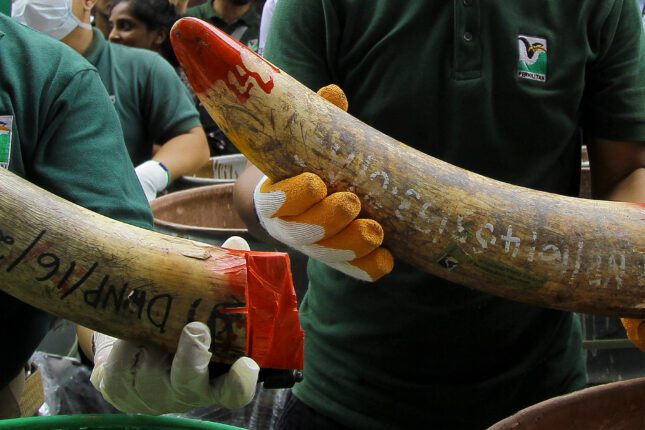
›On August 18, 2021, we witnessed a potential game-changer in the fight against international wildlife crime (IWT). One of the world’s leading wildlife trafficking hubs, Hong Kong, voted to change its laws to treat wildlife Crime as “Organized and Serious Crime.” From 2010 to 2020, local authorities valued wildlife seizures in the city at more than HK$1 billion (USD128.5 million), but the scale of the illicit trade passing through Hong Kong has likely been many times larger.
-
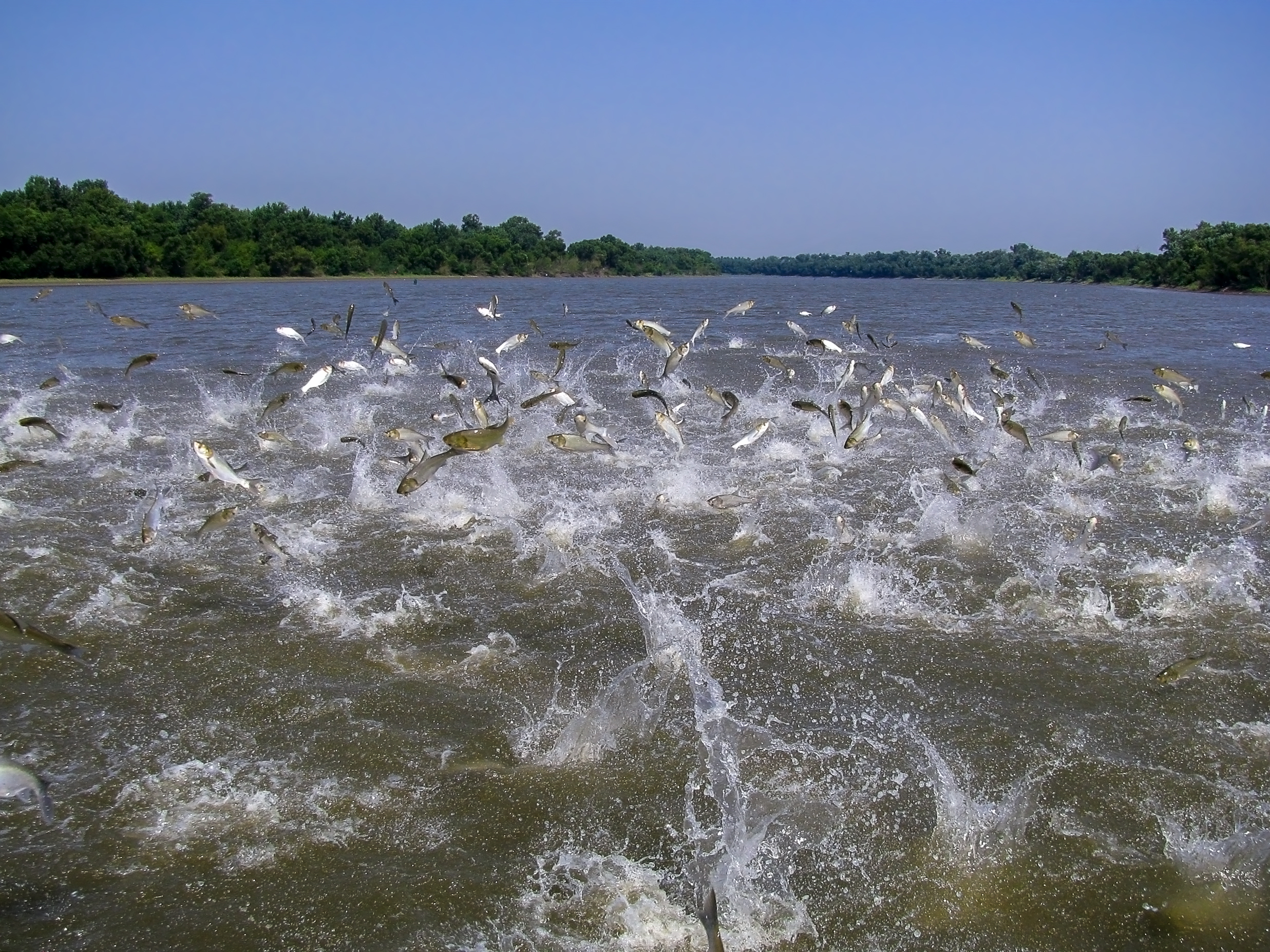
China and U.S. Aquaculture Open Doors to Invaders
›“Gui Jie” in Beijing, meaning Ghost Street, is dedicated to crayfish and is filled with towering bright red crayfish statues. While it might just seem like a show for tourists, the Chinese are responsible for 90 percent of the world’s crayfish consumption and crayfish is on menus throughout the country. Between 2006 and 2016, crayfish production more than tripled to 850,000 tons. Surprisingly, crayfish is not native to China but the Chinese began raising them when aquaculture began expanding in the 1980s.
-
What Next for U.S. Engagement on Cambodia’s Protected Forests?
›Cambodia’s lush Prey Lang rainforest is abundant with animals, insects and birds, including endangered species, and diverse types of forests. It also provides resin tapping and other sources of livelihood for some 250,000 people, many of whom are Indigenous Kuy, living within or adjacent to the forest.
Showing posts from category biodiversity.

 “When we started out, people thought it was weird. ‘Why are you integrating people and animals and why are you integrating human health and animal health?’” says Kalema-Zikusoka, founder of