-
Sharon Guynup, Mongabay
Address Risky Human Activities Now or Face New Pandemics, Scientists Warn
›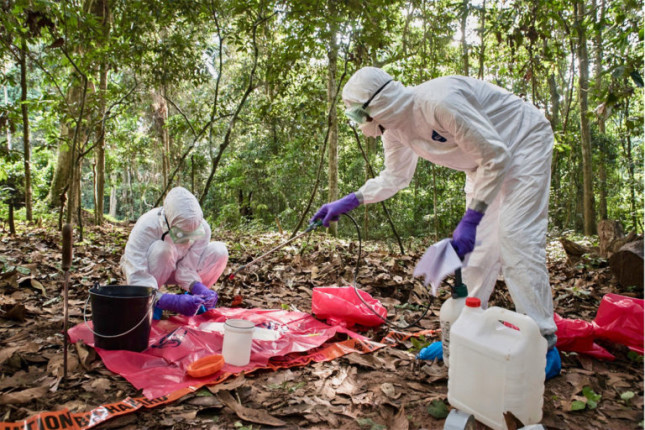
In early 2020, as a novel coronavirus swept the globe, a little-known word entered dinner table conversation. COVID-19 was “zoonotic”: a disease that originated in animals, then evolved, breached the Darwinian divide, and jumped to humans. On March 11, 2020, the World Health Organization (WHO) declared a global pandemic.
Now, with another wave surging worldwide — and more than 600,000 new cases being diagnosed daily — a new fear-evoking word has entered the lexicon: “variant.”
-
A Conflict Prevention Agenda Should Inform Climate Change Actions in Africa
›
In Africa, climate change and population expansion are increasing fragilities and vulnerabilities—including contributing to conflict dynamics—for many people who directly depend on nature. To cope with how their environment can no longer supply livelihood needs, people are migrating in search of security or economic stability. These factors interact with one another in ways that underline the need for inclusive conflict mitigation considerations in climate change action.
-
Nature-based Solutions: Latin America and the Caribbean’s Green Opportunity
›Already facing water stress, much of Latin America (such as the western slopes of the Andes and the dry corridor of Central America) is projected to experience intensified periods of drought in the coming decades, further complicating development efforts in the region. At the same time, heavy floods are the most common natural disaster in the region, disrupting life for countless people. According to the World Bank, in Latin America and the Caribbean alone roughly $14 billion per year is required to meet the 2030 water and sanitation targets of the United Nations Sustainable Development Goals. Typically, investments at this scale have been made by governments and large firms that invest in traditional infrastructure such as dams. But with ever-growing development needs and increased understanding of the impacts of climate change, Nature-based Solutions (NBS) are gaining momentum as a new way of incorporating environmental considerations into development responses.
-
Embracing Risk: Lessons Learned from Integrating Climate Adaptation and Biodiversity Conservation in Nepal
›The Hariyo Ban Program is one of the best examples of a sustainable development initiative that I’ve ever seen, said Nik Sekhran, Chief Conservation Officer of the World Wildlife Fund-US during a recent Wilson Center event on lessons learned from a decade of building resilience through participatory and inclusive natural resource management, climate adaptation, and biodiversity conservation in Nepal.
-
Sharon Guynup, Mongabay
Can ‘Slow Food’ save Brazil’s fast-vanishing Cerrado savanna?
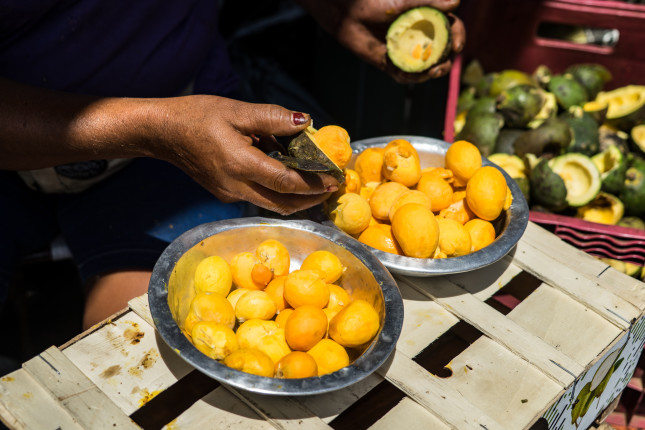
›April 2, 2021 // By Wilson Center StaffIt’s November in southeast Brazil, and the tall, feathery macaúba palms (Acrocomia aculeata) are beginning to drop ripe coconuts. By January, the ground is littered with them, as some 67 families that live nearby, outside the town of Jaboticatubas, get to work dragging the trove home.
This coconut serves as the lifeblood for these traditional farming communities in the Cerrado savanna in Minas Gerais state, Brazil. Archaeological sites trace its use back to at least 9,000 B.C.
Every part of the all-purpose coconut is used, from its delicious yellowish flesh to the nut at its core. It’s a favorite kids’ snack, and is used to make a highly nutritious flour, baked into bread and cookies. Livestock eat it too.
-
Improving America’s Ecological Security Requires Public-Private Partnerships
›In January, President Biden joined other world leaders in committing to conserve 30 percent of their nations’ lands and oceans by 2030. Also known as “30 by 30,” the pledge aligns government action with the growing recognition by the intelligence community that the loss of ecosystems and biodiversity presents serious risks to the U.S. economy and national security. Risks to the U.S. include the expanded likelihood of wildlife-borne diseases spilling over into our communities, water system challenges, decreased crop production, and increased natural disasters like floods.
-
Climate Change Front and Center in U.S. and Brazil Relations in Biden-Bolsonaro Era
›As the warm relationship between U.S. President Donald Trump and Brazil President Jair Bolsonaro comes to an end with the former’s electoral defeat in November 2020, the next two years (Bolsonaro is up for reelection in 2022) could prove to be strenuous for the bilateral relations of the two largest economies in the Western Hemisphere. President-elect Biden has signaled that combatting climate change will be a priority in his administration. Now, without the cover of a U.S. administration that denies climate change, Brazil could become further isolated in international environmental politics. All of this complicates the political realities for President Bolsonaro, whose political survival depends on maintaining his coalition of fanatical supporters, the agricultural sector, and former and current members of the military. Still, given U.S. concerns about Chinese influence in the region, the Biden-Bolsonaro relationship could prove to be low-key and practical.
-
Sharon Guynup, Mongabay
Landed by the thousands: Overfished Congo waters put endangered sharks at risk
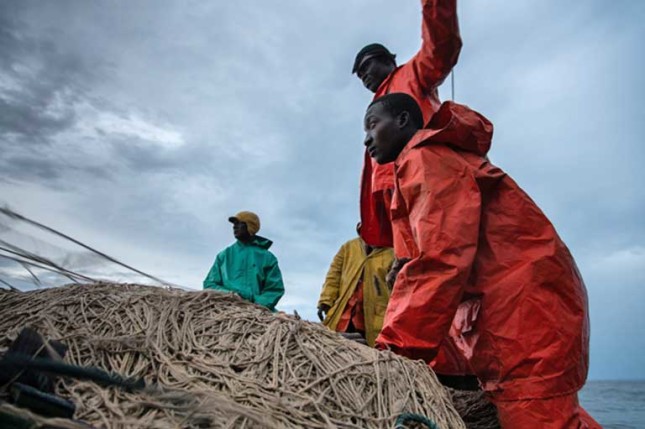
›October 27, 2020 // By Wilson Center StaffIn a video clip, seven fishermen climb into a wooden “Popo” boat that’s beached on the Republic of the Congo’s sandy shoreline. They start up the motor of the 40-foot, limo-length motorized canoe and head out into the Atlantic. The men aboard the weathered craft — its blue paint chipped and faded by years of salt and sun — could be out for a week.
Showing posts from category biodiversity.