-
Food Security as a Driver for Sustainable Peace in Kenya
›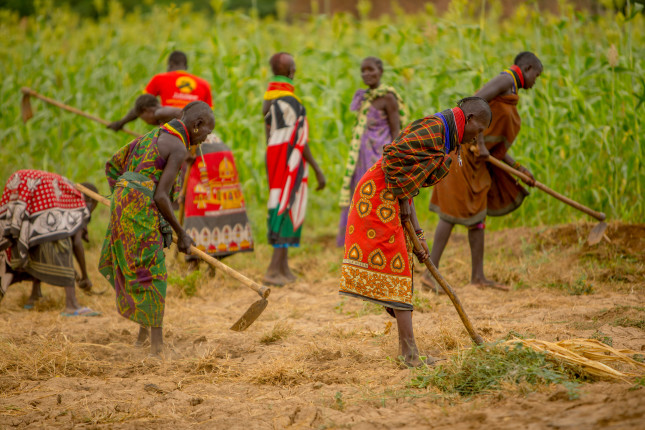
“The food system is complex; it is not just about food production,” said Florence Odiwuor, a Kenyan Southern Voices for Peacebuilding Scholar, at a recent event on the role of food security systems in sustainable peacebuilding in Africa hosted by the Wilson Center’s Africa Program. As a lecturer at the School of Agriculture, Natural Resources, and Environmental Studies at Rongo University, Odiwour observed that given the food system’s interconnectedness with issues like education, gender, finance, and labor, “disruptions or failures in the [food] system have caused a lot of conflict in [Kenya].”
-
Agricultural Land in Russian Territorial and Geopolitical Ambitions
›
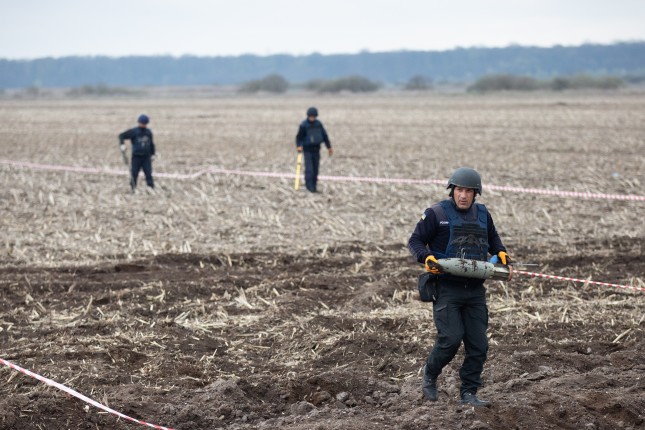
The negative impacts on global food security wrought by Russia’s war in Ukraine are obvious. But recent news that Russia currently occupies more than one fifth of Ukrainian farmland, draws attention to another dimension of this politically-induced food and agricultural crisis: land itself. Of course, territory has long been an object of conflict and warfare. But agricultural land—in particular—is also a key, though understated, dimension of the geopolitical ambitions undergirding Russian activity at home and abroad.
-
Addressing the Global Food Crisis: CIMMYT Experts Weigh In
›The confluence of climate change, COVID-19, and the war in Ukraine have placed enormous stress on food systems across the globe. Food insecurity spiked in 2020 and has stayed high, and the number of undernourished people is on the rise. -
Confronting Seismic Shocks: New WQ Article Looks at “Russia’s War on Natural Resources”
›July 29, 2022 // By Claire DoyleWhen Russia struck a deal with Ukraine on July 15, there was hope that millions of tons of food would once again be able to flow from the embattled country. Under the agreement, brokered by Turkey and the UN, Russia would lift naval blockades and allow large-scale shipments of grain to leave Ukraine’s ports. -
Biodegradable Plastic in Chinese and U.S. Agriculture: Hero or Villain?
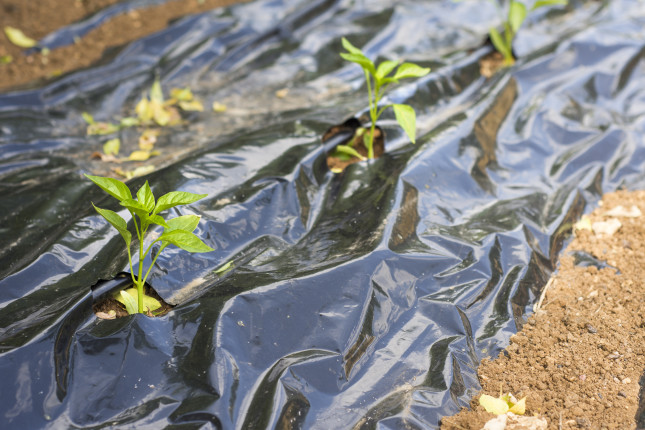
›Biodegradable plastic mulch seems like a dream come true for organic farming. Its use eliminates the need for herbicides and pesticides, conserves water, extends the growing season, and allows for the harvesting of clean fruits and vegetables. This mulch also lightens the load of farmers. Rather than assuming the expense and labor to gather up and haul plastic mulch to a landfill, farmers can till biodegradable mulch safely back into the soil. Yet these benefits will only be realized if biodegradable mulch films are 100 percent degradable by microbes in nature, and if they break down to carbon dioxide, water, and minerals without damaging the soil.
-
Top 5 Posts for June 2022
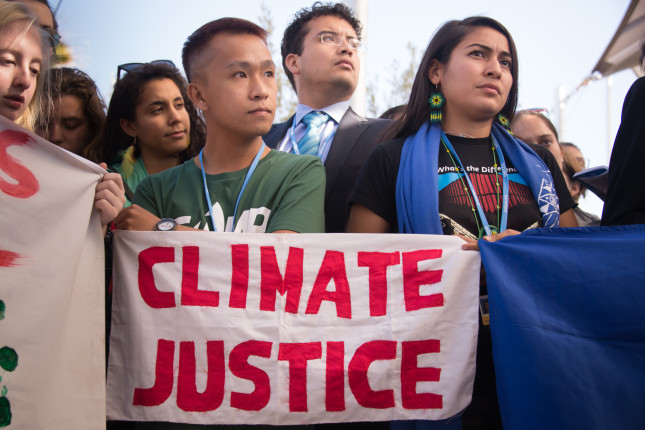
›From climate change to COVID-19 and the war in Ukraine, the world is a landscape of increasing instability. Book-ending the Top 5 posts of June are two articles that explore different aspects of these converging risks. In the top post for June, Steven Gale and Mat Burrows write that globally, younger generations are becoming increasingly disengaged and discontent with their democratic governments, civil society, and institutions. Youth disillusionment is not a result of ignorance to current affairs, but rather a lack of faith in democratic institutions to address today’s most pressing global issues. Tackling youth disillusionment, suggest Gale and Burrows, begins with examining youth engagement trends and placing it at the top of the agenda.
-
What’s in a Name? Making the Case for the Sahel Conflict as “Eco-violence”
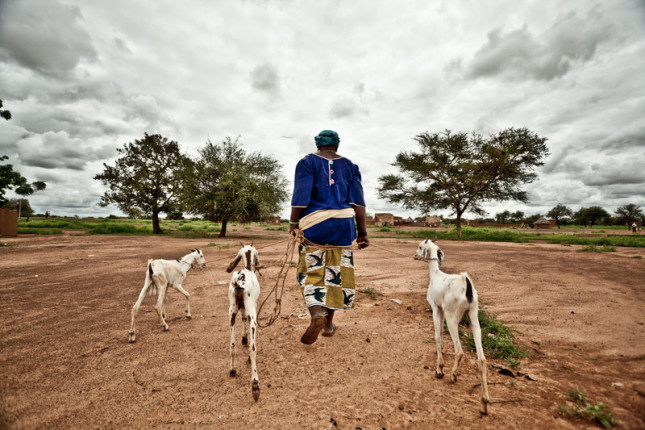
›The Sahel region of Africa is a semi-arid, arc-shaped landmass that stretches 3,860 kilometres from Senegal across portions of Mali, Burkina Faso, Niger, Nigeria, Chad, and even Sudan. It is also the most neglected and conflict-ridden part of the planet, according to the Norwegian Refugee Council.
-
Greenhouse Plastic Boom Blights Vietnam’s Vegetable Basket
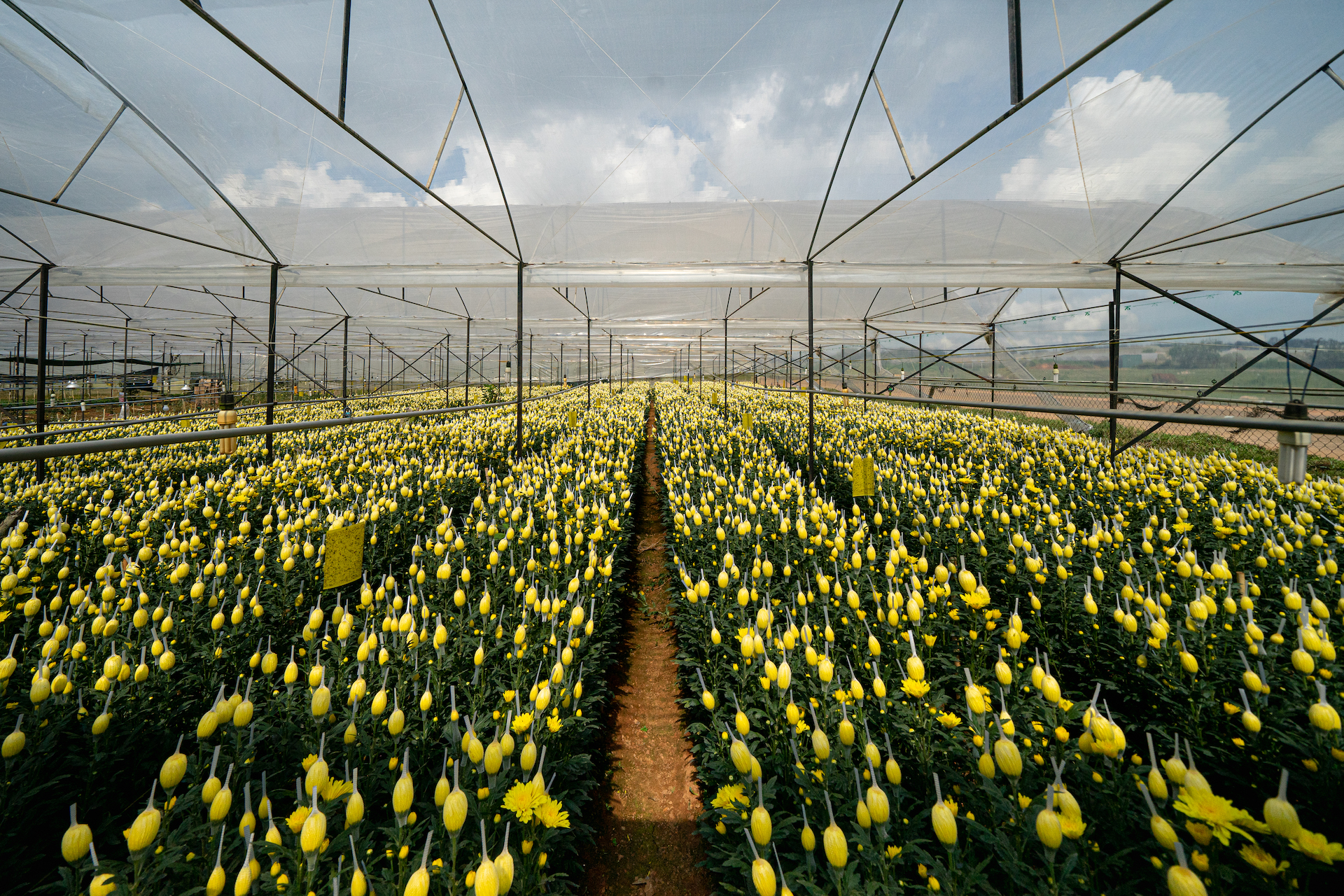
›China Environment Forum // Guest Contributor // Vulnerable Deltas // June 30, 2022 // By Govi Snell & Thinh DoanCam Ly landfill was, until it was shut down in 2020, the primary dumping ground for the city of Dalat. A hilltop locale 5 kilometers from central Dalat, the landfill was the final destination for the majority of plastic used in agriculture in Vietnam’s Central Highlands region. But in August 2019, heavy rain prompted an outpouring of trash, sending plastic sheeting from greenhouses and untreated agrichemical bags and bottles rushing downhill. The incident covered lowland farms in thousands of metric tons of waste.
Showing posts from category agriculture.
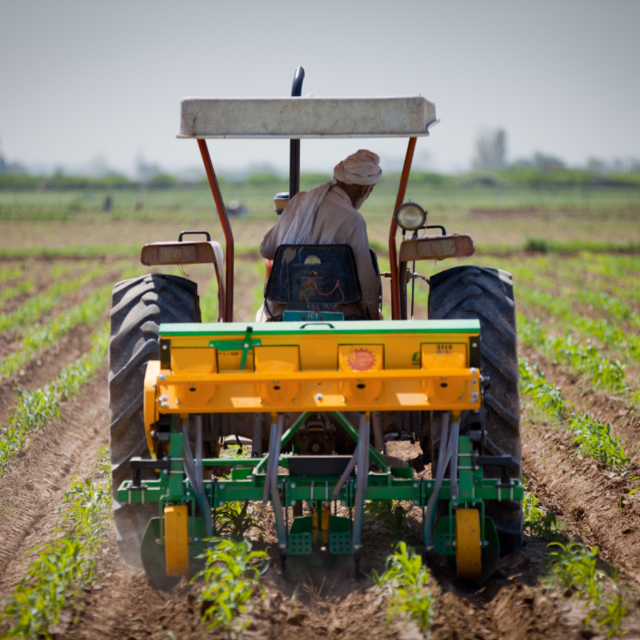 The confluence of climate change, COVID-19, and the war in Ukraine have placed enormous stress on food systems across the globe.
 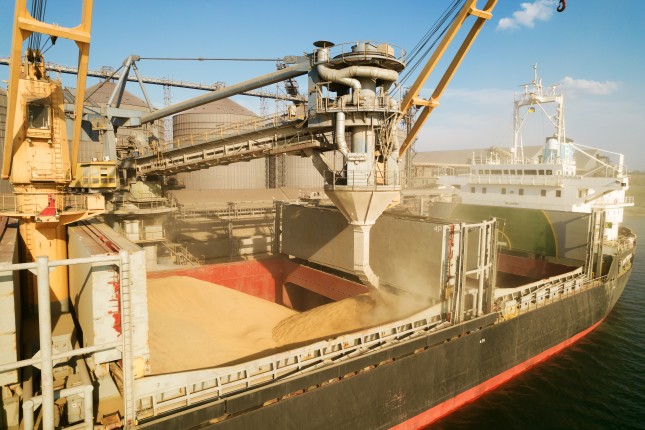 When Russia struck a deal with Ukraine on July 15, there was hope that