-
Greening Eggs and Ham: Animal Feed and GHG Emissions in the United States and China
›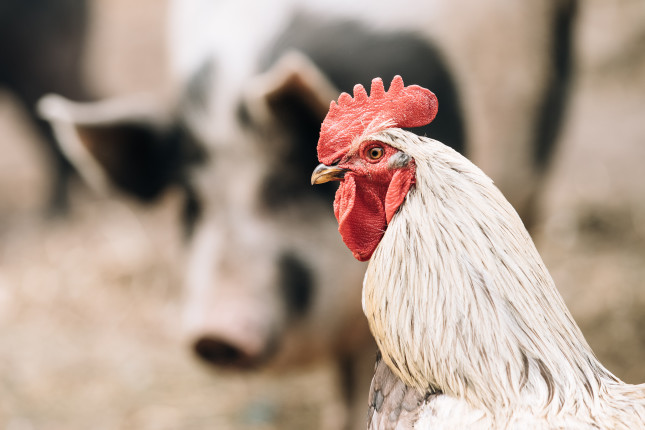
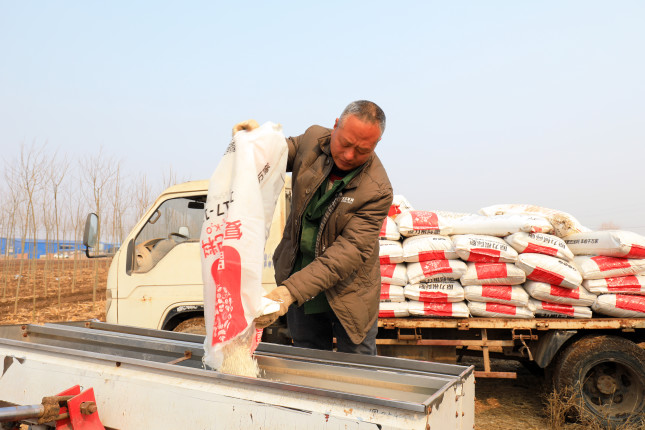
“Save your kitchen scraps to feed the hens,” urged a poster for the victory gardens created on the home front in the Second World War. Feeding food scraps to backyard chickens and pigs turned this waste into a delicious source of human food. Pigs were especially prized in this effort as they would eat what most other animals considered inedible.
-
China’s Silent Greening
›China Environment Forum // Cool Agriculture // Guest Contributor // May 18, 2023 // By Rodrigo Bellezoni, Peng Ren & Zhao Zhong
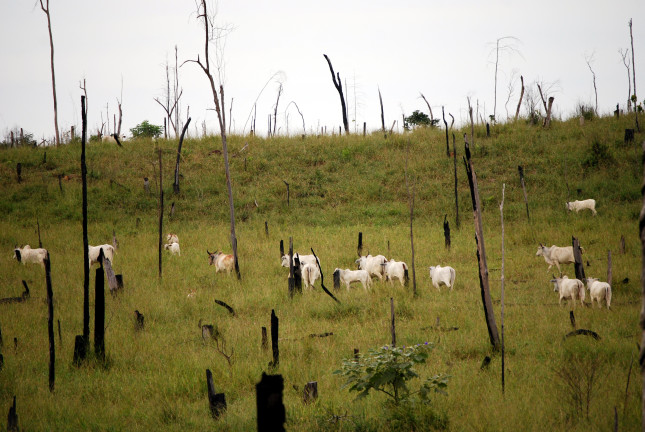
China is Brazil’s main trading partner and accounts for over a quarter of all Brazilian exports. Yet two of the largest products in this trading relationship—beef and soybeans—are also crops that drive deforestation in the Amazon. Brazil’s deforestation rates declined substantially between 2004 and 2012, but forest clearage needed to raise cattle reversed the trend: The Amazon lost 10,476 square kilometers of rainforest in 2021, the highest total in the decade.
-
New Security Broadcast | The Link Between Food Insecurity and Conflict: A New Report from World Food Program USA
›To better understand the complex dynamics of global hunger and the urgent need for more collective action to address this humanitarian crisis, Chase Sova, Senior Director of Public Policy and Research at World Food Program USA, and his colleagues recently launched a new report, “Dangerously Hungry.” In today’s episode of New Security Broadcast, ECSP Program Coordinator and Communications Specialist, Abegail Anderson, speaks with Sova about the report’s analysis on the current state of global hunger and its devastating impacts on vulnerable populations. -
A Warmer, Wetter Climate Challenges a Chinese Eco-farm
›China Environment Forum // Cool Agriculture // Guest Contributor // April 14, 2023 // By Jiang MengnanIn recent years, a new narrative has appeared on Chinese social media: that a warmer and wetter climate in Northwest China will herald a return to the “golden age” of the Tang dynasty (618–907 AD).
Climate change will bring benefits, so the story goes, as historically China has flourished during warmer and wetter periods – conditions becoming common once more in the Northwest, a region extending from the province of Shaanxi to Xinjiang in the far west.
-
Milking the Dairy Industry for Lower Greenhouse Gas Emissions in China
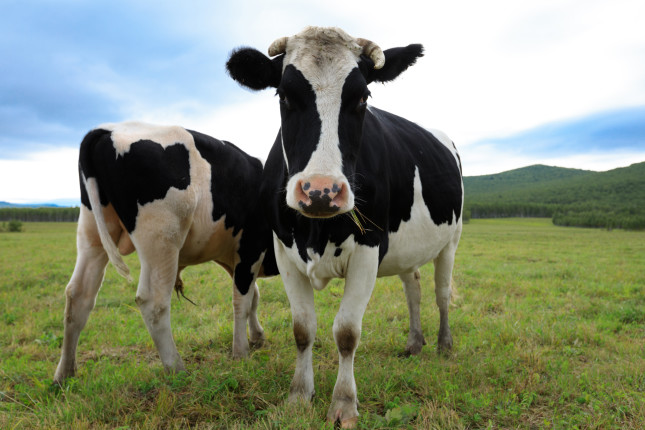
›When Kevin Chen began his agricultural research 20 years ago, most dairy farms in China were small and family-owned. People of his generation did not grow up with milk deliveries or ice cream. Today, however, these farms have been replaced by massive agri-businesses raising tens of thousands of dairy cows, and dairy is a regular part of many people’s diets in China, thanks to rising incomes and years of governmental promotion of cheese, yogurt, and milk.
-
Rice: A Recipe for Greenhouse Gas Emissions in the U. S. and China?
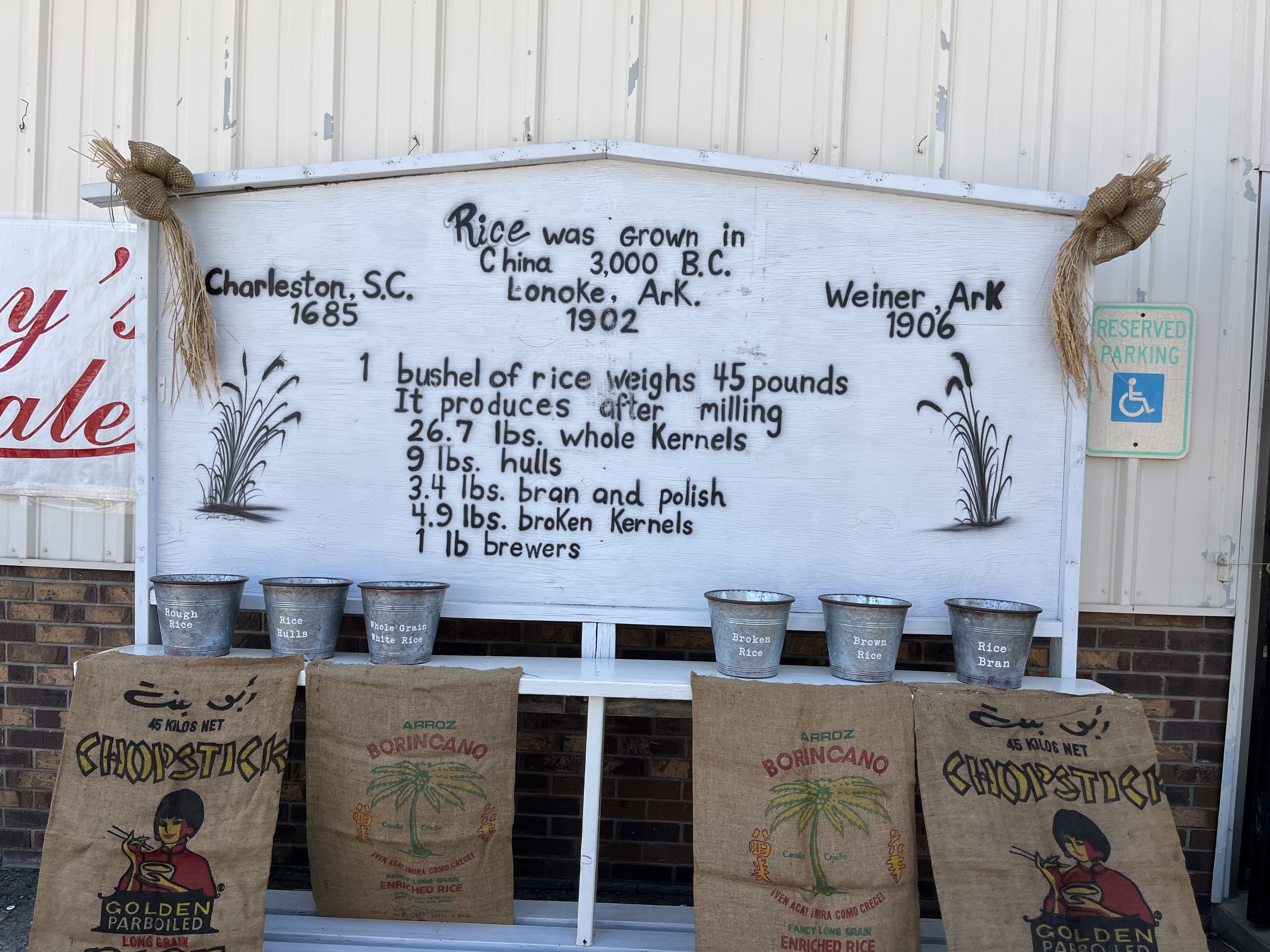
›Go to the Arkansas Rice Festival in Wiener, Arkansas and you will discover how delicious – and diversely flavored – this cereal grain can be. Savory, sweet, or even spicy: Each dish at the festival’s annual rice recipe contest shows the many ways to prepare this international food staple.
Why look to Arkansas for rice? The state produces 4 million tons of it every year, which is nearly half the rice grown in the United States. But that U.S. annual total is dwarfed by the amount produced by China, which at 207 million tons is the world’s largest rice producer. It’s also natural that the world looks to China for rice; genomic mapping has suggested that cultivated rice was first grown in the Pearl River valley in southern China.
-
The Forgotten Greenhouse Gas: Nitrous Oxide as an Issue for U.S. and Chinese Agriculture
›China Environment Forum // Cool Agriculture // Guest Contributor // December 1, 2022 // By Karen ManclDuring the November COP27 climate talks in Egypt, Presidents Xi and Biden agreed to restart bilateral climate talks that would build on the clean energy and the green and climate-resilient agriculture priorities highlighted in the U.S.-China Climate Crisis Statement and the U.S.-China Glasgow Declaration. While details remain to be ironed out, the renewed dialogue could open up a new area of collaboration around greenhouse gas emissions from food production, targeting an oft-overlooked long-lived climate pollutant, nitrous oxide (N2O). -
COP27: Growing Roles for Agriculture and Food Security
›Every year, more than two billion farmers around the world work the land day in and day out to earn a living and produce what is needed to feed and clothe an ever-growing global population that reached 8 billion in November 2022. Though they bear the brunt of climate change on the front lines, many of the world’s farmers, ranchers and fishers are unaware of the international processes that affect their livelihoods.
Showing posts from category agriculture.