-
Introducing “The Arc”
›
On today’s episode of New Security Broadcast, ECSP is launching a new series called The Arc, focused on the connections between climate change, equity, justice, and identity. We will cover a wide range of topics – from food and water systems to the energy transition, migration, and climate finance – and talk with practitioners, advocates, professors, and community leaders to discover where these topics intersect with issues related to climate impacts and justice.
-
ECSP Weekly Watch | October 23 – 27
›
A window into what we are reading at the Wilson Center’s Environmental Change and Security Program
DRC Mining Project Displaces a Local Community
Kolwezi is the “cobalt capital of the world.” But residents of this city in the Democratic Republic of Congo are being compelled to relocate under questionable circumstances in order to make room for a new mine sponsored by the Chinese mining company COMMUS.
-
ECSP Weekly Watch | October 9 – 13
›A window into what we are reading at the Wilson Center’s Environmental Change and Security Program
Organizing Regional Action on Climate Change, Health, and Environment
As the 2030 deadline for the Sustainable Development Goals looms, the World Health Organization has proposed a new regional framework that aims to build climate-resilient and sustainable health systems, improve the health sector’s access to climate funding, and build an evidence base for policymaking.
-
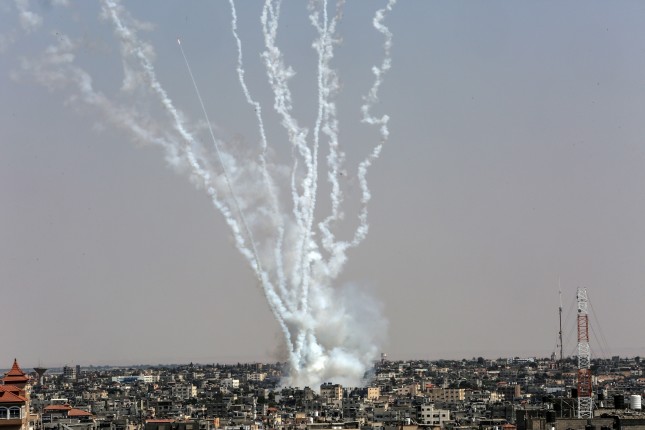
A Reminder from Israel and Gaza on the Importance and Limitations of Environmental Peacebuilding
›I flew into Tel Aviv last Friday afternoon, primed for a week of meetings with Israeli and Palestinian environmentalists and officials. By sounding out these men and women in Jerusalem, the West Bank, and other parts of the region, I hoped to expand on past explorations of their transboundary cooperation, widely recognized as a model for environmental peacebuilding. Through an articulation of the successes that they––and their Jordanian peers–have had in bolstering water access, renewable energy, and environmental protection across their shared natural landscape, I was looking forward to telling a positive environmental conflict story—particularly one in a place that is often bereft of good news.
-
US and Chinese Farmers Adapting to a New Climate
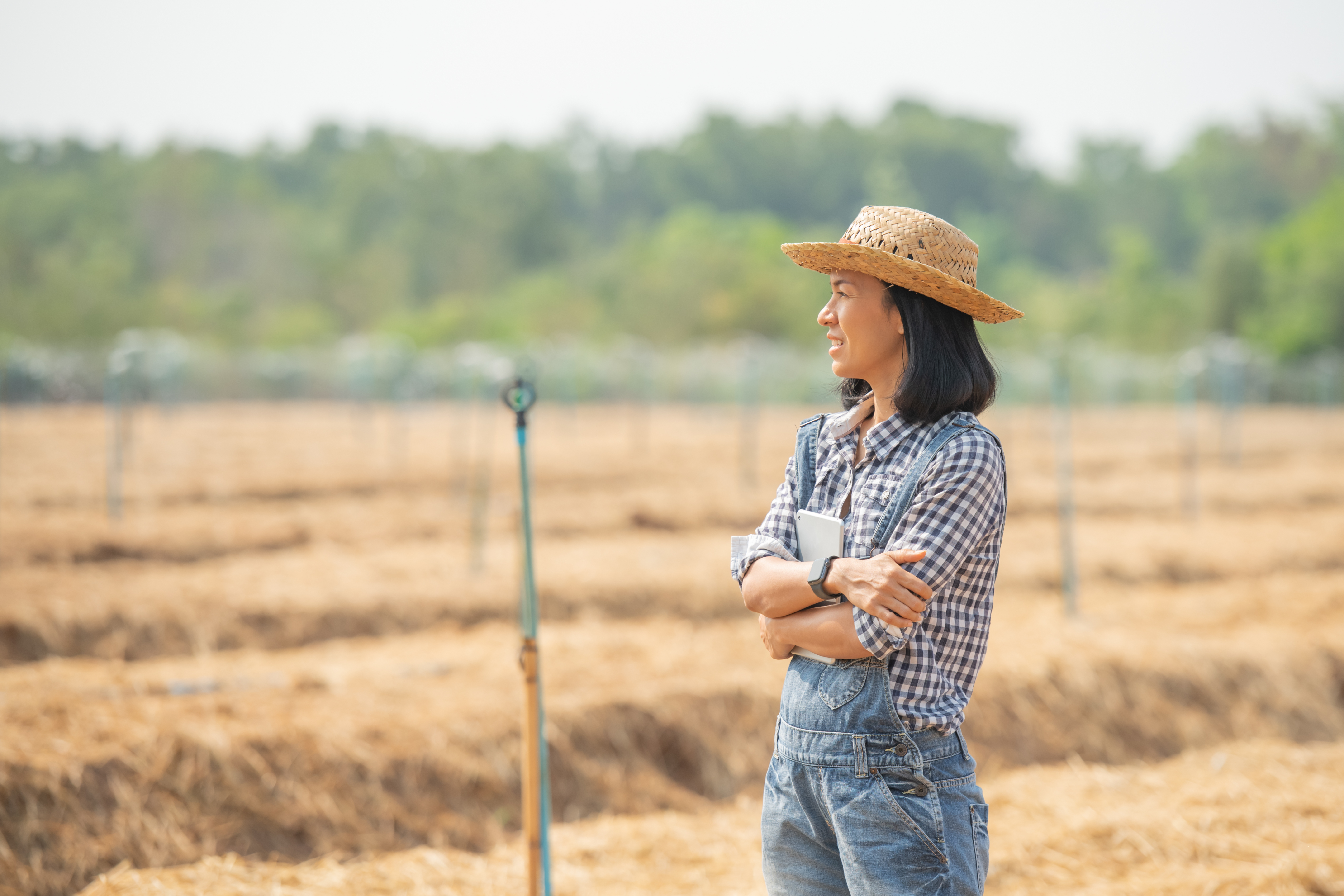
›China Environment Forum // Cool Agriculture // Guest Contributor // October 12, 2023 // By Abigail OrdillasExtreme heat from climate change threatens food security in the world’s two food-producing superpowers. Climate adaptation for agriculture is a must. The US and China have much to share on climate-smart farming practices to help us both weather the storms and droughts. 2023 brought scorching heat waves that baked crops and livestock in China and the United States. In China, farm animals and fish died from extreme heat in June with some provinces enduring weeks of temperatures above 40°C (104°F). In one farm, a heatwave-triggered power outage resulted in hundreds of pigs suffocating to death after shed fans stopped working. -
From Floods To Disaster: A Conflict- And Climate-Sensitive Recovery Pathway For Libya
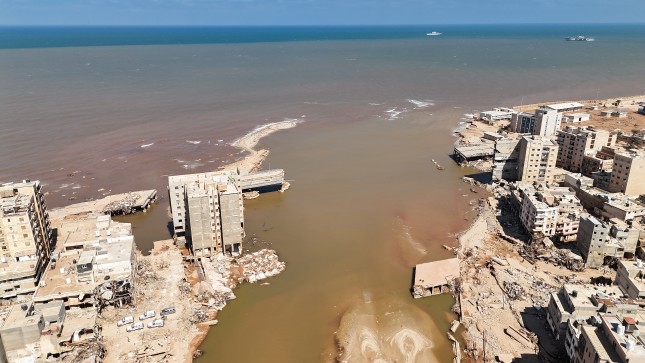
›More than 11,300 people are confirmed to have died in the floods that struck eastern Libya on September 11, 2023, far surpassing many estimates of the death toll in the country’s 2011 civil war. Thousands are still missing. Flooding has washed away approximately 25% of the city of Derna, and damage to roads and bridges is curtailing emergency service access. A rapid attribution study estimated that the extreme rain was at least a “1-in-300 year event.” This is far beyond previously recorded incidents, yet such incidents are now up to 50 times more likely—and up to 50% more intense—when compared to a 1.2°C cooler climate.
-
ECSP Weekly Watch | October 2 – 6
›A window into what we are reading at the Wilson Center’s Environmental Change and Security Program
A Warming World is Accelerating the Spread of Dengue
Dengue is now endemic in most Latin American countries. But scientists warn that a warming climate is increasing the pace of breeding and transmission of dengue-carrying mosquitoes, and bring them into new countries.
-
Disasters in Armed Conflict Zones: Silver Linings or Total Devastation?
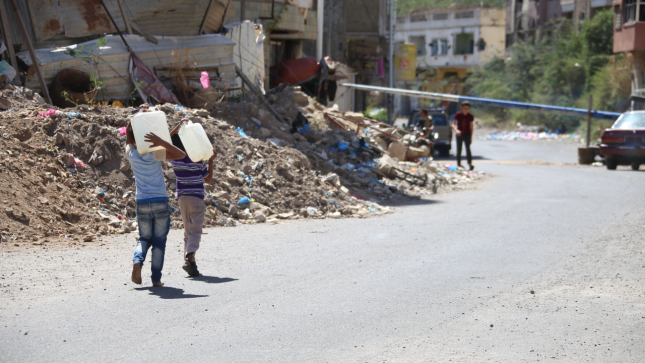
›When catastrophic floods struck civil war-ridden Libya in the late summer of 2023, the catastrophe caused over 10,000 deaths and wreaked immense destruction throughout the nation’s northeastern regions. But because none of the warring factions were in full control of the country and international responders were concerned about being caught in the crossfire, relief efforts were delayed and limited. This confluence of factors amplified human suffering, particularly in Libya’s remote and worst-affected areas.
Showing posts from category adaptation.