-
ECSP Weekly Watch | September 18 – 22
›
A window into what we are reading at the Wilson Center’s Environmental Change and Security Program
Converging Crises: Pakistan Flood Victims Face Rising Hunger
According to FAO, Pakistan ranks among the top-ten world producers of wheat, cotton, sugarcane, and mango—and it is the 10th largest producer of rice. But Pakistan is also atop another world ranking: vulnerability to the impacts of global warming.
-
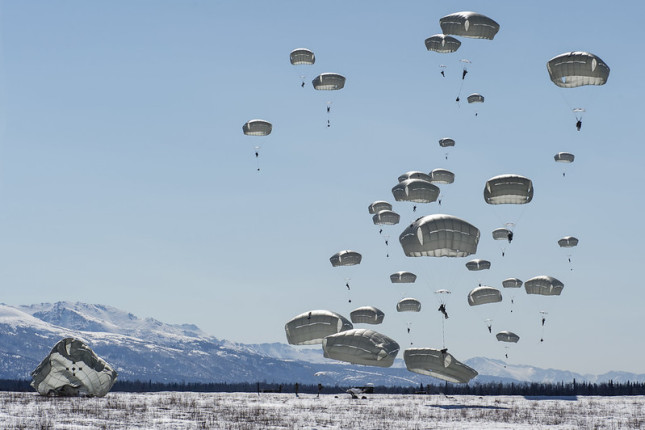
Shifting the Climate Security Narrative: How the Department of Defense Can Lead
›
In 2021, US Defense Secretary Lloyd J. Austin III referred to climate change as an “existential threat”—a term traditionally reserved for nuclear weapons. Yet two years and several strategic plans later, tangible progress to mitigate and prepare for this threat remains elusive, especially on the international scale where the greatest impacts could be realized.
-
ECSP Weekly Watch | September 11 – 15
›A window into what we are reading at the Wilson Center’s Environmental Change and Security Program
Treading Water: Why Were Libya’s Floods So Devastating?
This week’s devastating disasters in Morocco and Libya underscore the cascading effects of environmental shocks (and in the case of Libya, climate-related shocks), as well as the cross-sectoral response needed to comprehensively address the damage.
-
Climate Adaptation at COP28: Eyes on the Middle East
›When COP28 begins in the United Arab Emirates in late November of this year, the multifaceted connections between climate and conflict are expected to receive greater attention from participants than they have at previous conferences.
While there is scant direct causal evidence to suggest that climate change causes conflict, there is a growing body of information that it can influence the risk of conflict by hurting economies, changing broad patterns of human behavior and movement, and straining social cleavages.
-
ECSP Weekly Watch | August 21 – 25
›A window into what we are reading at the Wilson Center’s Environmental Change and Security Program
Deforestation Dynamics in Colombia: The Role of Armed Groups
A 29% drop in deforestation in Colombia in 2022 was labeled as a victory for President Gustavo Petro. Yet there is another reason behind the decrease. Armed groups, such as the Estado Mayor Central (EMC), have imposed logging bans in areas under their control, and levy fines amounting to 251 dollars per hectare.
-
ECSP Weekly Watch | August 14 – 18
›A window into what we are reading at the Wilson Center’s Environmental Change and Security Program
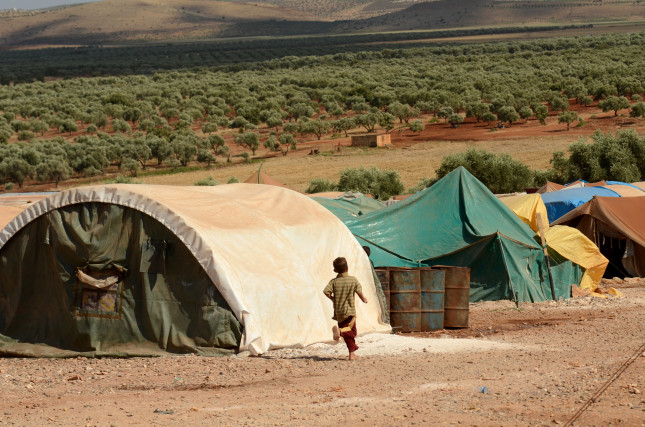
Thirst for Relief: Prolonged Drought Intensifies Afghanistan’s Humanitarian Crisis
Afghanistan is the world’s sixth most affected country by climate-related threats—and its present acute challenge is water scarcity, intensified by climate change. The country is heavily reliant on agriculture, which makes up a third of its GDP.
-
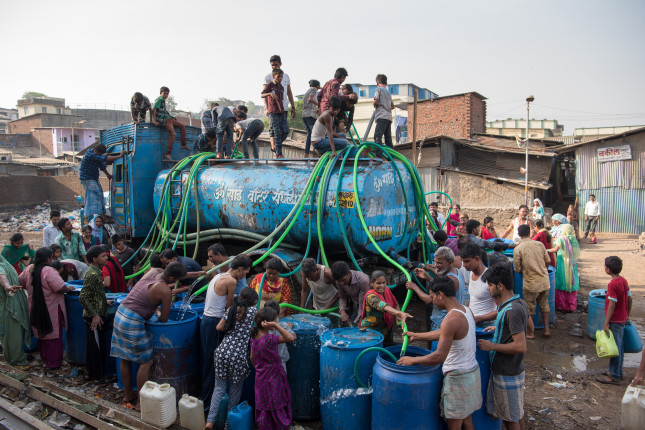
Tanker Water Markets: A Path to Achieving SDG 6
›Nearly two-thirds of the world’s population experiences some level of water scarcity—and an estimated one billion urban residents face unreliable drinking water supplies. This global water crisis not only has been recognized by the United Nations, but also prioritized for action as Sustainable Development Goal (SDG) 6: “Access to Water and Sanitation for All”.
-
ECSP Weekly Watch | July 24 – 28
›A window into what we are reading at the Wilson Center’s Environmental Change and Security Program
Fixing the World’s Broken Food Systems
The United Nations summit on the state of the world’s food systems took place in Rome, Italy, this week, building on the work of a previous convening in 2021. The meeting focused on the environmental impact of agriculture and making food production more sustainable.
Showing posts from category adaptation.