-
Unpacking the Impact of the Fifth National Climate Assessment
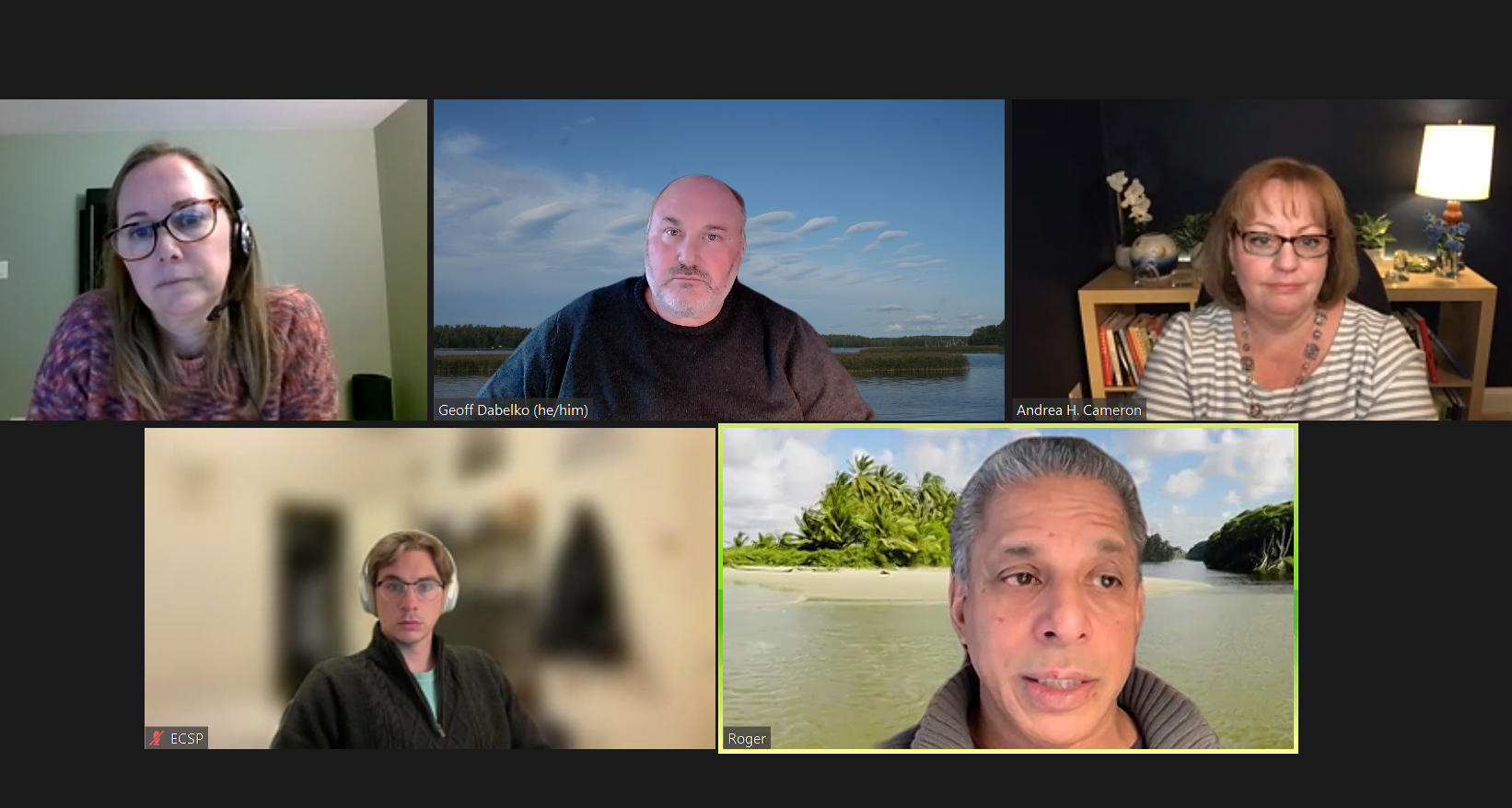
› In today’s episode of New Security Broadcast, ECSP Director Lauren Risi hosts three contributing authors of the international chapter of the recently released fifth National Climate Assessment. Dr. Roger Pulwarty is a Senior Scientist with the Physical Sciences Laboratory at NOAA; Dr. Andrea Cameron is a permanent military professor teaching policy analysis at the US Naval War College; and Dr. Geoff Dabelko is a Professor and Associate Dean with the Voinovich School of Leadership and Public Affairs at Ohio University and a senior advisor to ECSP. In the conversation, the authors discuss the implications of climate change for national and international security, and they delve into the international chapter and its significance for policymakers in the US and abroad.
 -
Age Structure: The Root of sub-Saharan Africa’s Governance Problems?
›
The research presented in this article was subsequently published in a peer-reviewed article: https://www.degruyter.com/document/doi/10.1515/spp-2023-0029/html
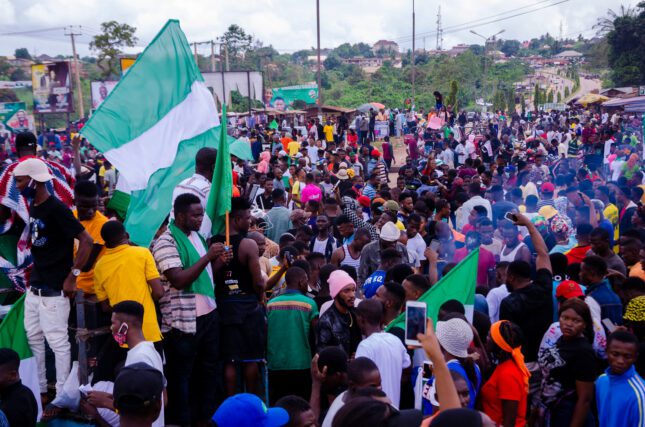
Sub-Saharan Africa’s sluggish economic growth and brittle political structures are clear challenges for the region. And two major development theories—one strictly political, the other demographic—seem to steer parallel courses in explaining them.
-
ECSP Weekly Watch | November 27 – December 1
›A window into what we are reading at the Wilson Center’s Environmental Change and Security Program
Why is COP Important?
Governments, policymakers, advocates, and observers have entered another annual UN climate conference cycle. Known as a “COP” (or “conference of parties”), these annual government-level gatherings focus on climate action, including assessments of progress toward the Paris Agreement and the creation of even more ambitious plans.
-
Gaza, Yemen, Syria, Human Rights, and Oil: The Elephants in the COP28 Room
›The annual multilateral Conference of the Parties (COP) has become one of the most important meetings on the global agenda. So the fact that the United Arab Emirates (UAE) will host COP28 starting this week in Dubai—on the coattails of another Arab country, Egypt, hosting COP27 in 2022—is a big deal. Bringing such important international meetings to the Global South is a step forward in decentering and reorienting global climate action.
-
The Arc | Dr. Robert McLeman on Climate Migration, Equity, and Policy
› In today’s episode of The Arc, ECSP Director Lauren Risi interviews Dr. Robert McLeman, a professor of Geography and Environmental Studies at Wilfrid Laurier University in Toronto. Dr. McLeman unpacks how climate change interacts with social, economic, and political conditions in ways that lead some communities more vulnerable to climate-related displacement than others. He also shares insights into how we can better promote safe, dignified, and just migration in the context of climate change and how justice and equity considerations are being incorporated into climate migration policy.
-
ECSP Weekly Watch | November 13 – 17
›A window into what we are reading at the Wilson Center’s Environmental Change and Security Program
A Fifth National Climate Assessment
The US Global Change Research Program launched the fifth National Climate Assessment (NCA) on Monday, November 13. Published once every five years, the NCA is the United States’ leading report on climate change impacts, risks, and responses.
-
The Arc | Gender, Agriculture, and Climate Change with Dr. Maureen Miruka
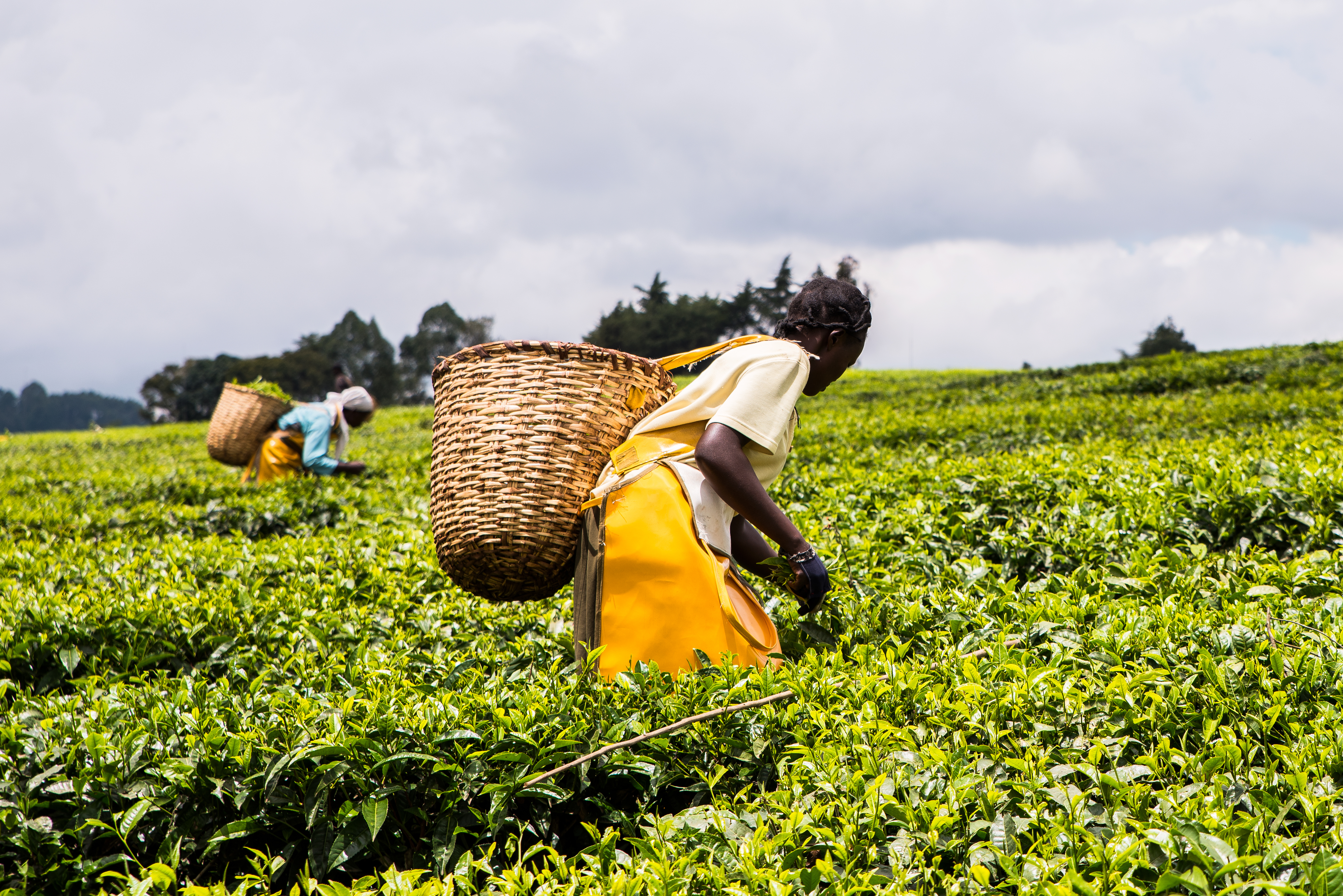
› In the first episode of The Arc, ECSP’s Claire Doyle and Angus Soderberg speak with Dr. Maureen Miruka about the complex relationship between gender, climate, and agriculture. Dr. Miruka, who is Director of Strategic Partnerships and Research at CARE USA, emphasizes the disproportionate impact of climate stressors on women and vulnerable populations through the lens of food systems. She also underscores the pivotal role women play as change agents in global climate mitigation and adaptation, and makes a call to broaden the scope of research in this space to include other gender minorities.
-
Recognizing the International Day for Preventing the Exploitation of the Environment in War and Armed Conflict
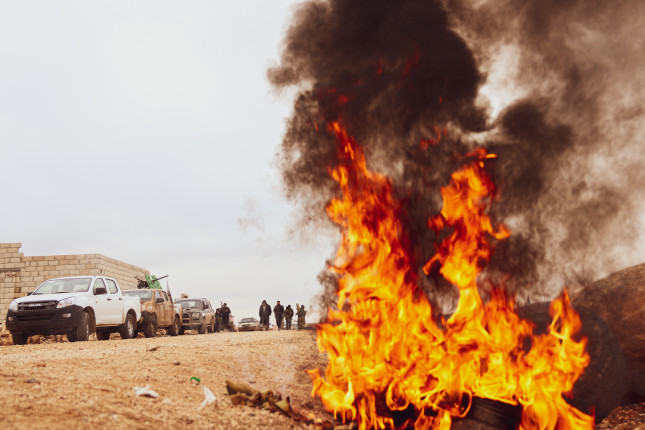
›In 2001, the UN General Assembly declared November 6 the International Day for Preventing the Exploitation of the Environment in War and Armed Conflict. In the 22 years since, both the impact of the exploitation of the environment during war—and the centrality of natural resources in establishing peace—have gained greater global recognition.
Showing posts from category adaptation.