• woodrow wilson center
  • ecsp

New Security Beat

Subscribe:
  • rss
  • mail-to
  • Who We Are
  • Topics
    • Population
    • Environment
    • Security
    • Health
    • Development
  • Columns
    • China Environment Forum
    • Choke Point
    • Dot-Mom
    • Friday Podcasts
    • Navigating the Poles
    • Reading Radar
  • Multimedia
    • Water Stories (Podcast Series)
    • Backdraft (Podcast Series)
    • Tracking the Energy Titans (Interactive)
  • Films
    • Water, Conflict, and Peacebuilding (Animated Short)
    • Paving the Way (Ethiopia)
    • Broken Landscape (India)
    • Scaling the Mountain (Nepal)
    • Healthy People, Healthy Environment (Tanzania)
  • Publications
  • Events
  • Contact Us

NewSecurityBeat

The blog of the Wilson Center's Environmental Change and Security Program
  • Land, Education, and Fertility in Rural Kenya

    August 10, 2010 By Wilson Center Staff
    Excerpted from a summary on the Population Reference Bureau‘s website, by Karina Shreffler and F. Nii-Amoo Dodoo. The original version of this article appeared in Population and Environment 30, no. 3 (2009): 75-92.

    Little is known about the role of land inheritance in the link between land availability and fertility. The recent transition from high to lower levels of fertility in some African countries presents an opportunity to clarify the underlying causes of this decline, since the individuals involved in the transitions are still alive.

    Using data from focus group discussions with people whose childbearing occurred before and during the rapid and unexpected fertility decline in Nyeri District in rural Kenya, we examined the impact of diminishing land availability, farm size, and inheritance patterns on fertility decisionmaking and behavior. The results shed new light on the role of education, long considered the key determinant of fertility transition.

    Our research suggests that rather than inheritance being an external factor affecting fertility behavior, parents in Nyeri District chose to educate their children after realizing they would not be able to bequeath a sufficient amount of land. Our work provides evidence of the importance of considering the influence of environmental factors on demographic processes, particularly in regions of resource dependence.

    Continue reading on PRB.

    For more on Kenya’s youth, see New Security Beat‘s interview with Wilson Center Scholar Margaret Wamuyu Muthee.

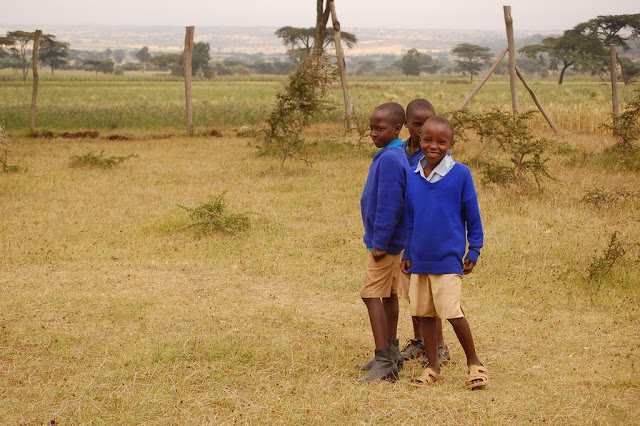
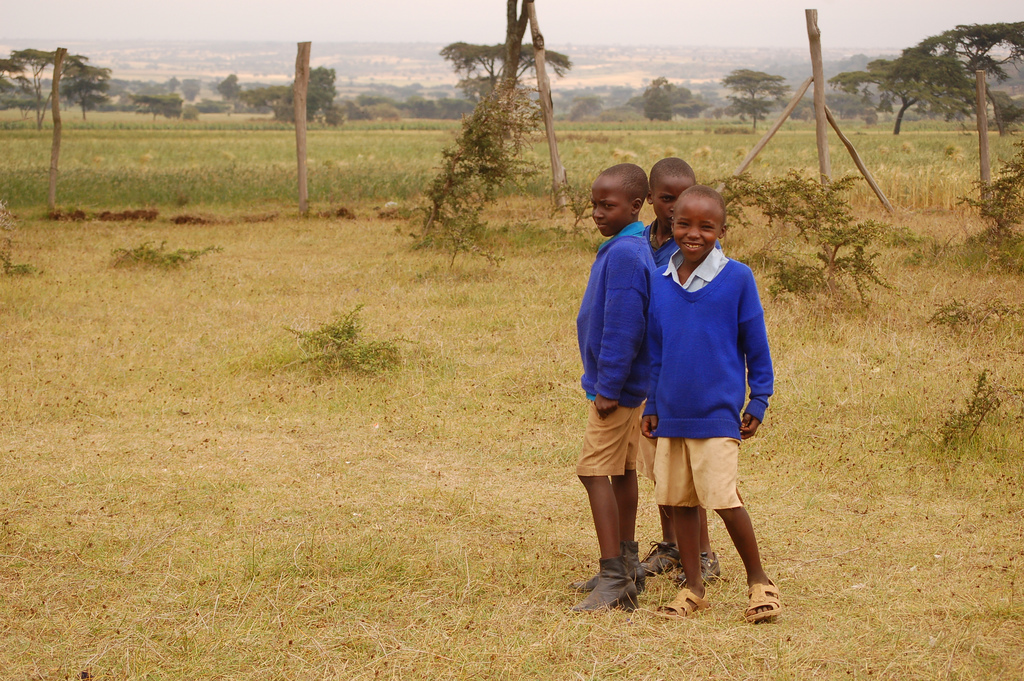
    Photo Credit: “Olaimutiai Primary School (Maasai Land, Kenya),” courtesy of flickr user teachandlearn.
    Topics: Africa, agriculture, community-based, conservation, demography, environmental health, family planning, food security, Kenya, land, PHE, population, youth

Join the Conversation

  • RSS
  • subscribe
  • facebook
  • G+
  • twitter
  • iTunes
  • podomatic
  • youtube
Tweets by NewSecurityBeat

Trending Stories

  • unfccclogo1
  • Pop at COP: Population and Family Planning at the UN Climate Negotiations

Featured Media

Backdraft Podcast

play Backdraft
Podcasts

More »

What You're Saying

  • Volunteers,At,The,Lagos,Food,Bank,Initiative,Outreach,To,Ikotun, Pan-African Response to COVID-19: New Forms of Environmental Peacebuilding Emerge
    Rashida Salifu: Great piece 👍🏾 Africa as a continent has suffered this unfortunate pandemic.But it has also...
  • A desert road near Kuqa An Unholy Trinity: Xinjiang’s Unhealthy Relationship With Coal, Water, and the Quest for Development
    Ismail: It is more historically accurate to refer to Xinjiang as East Turkistan.
  • shutterstock_1779654803 Leverage COVID-19 Data Collection Networks for Environmental Peacebuilding
    Carsten Pran: Thanks for reading! It will be interesting to see how society adapts to droves of new information in...
  • woodrow
  • ecsp
  • RSS Feed
  • YouTube
  • Twitter
  • Facebook
  • Home
  • Who We Are
  • Publications
  • Events
  • Wilson Center
  • Contact Us
  • Print Friendly Page

© Copyright 2007-2021. Environmental Change and Security Program.

Woodrow Wilson International Center for Scholars. All rights reserved.

Developed by Vico Rock Media

Environmental Change and Security Program

Woodrow Wilson International Center for Scholars

Ronald Reagan Building and International Trade Center

  • One Woodrow Wilson Plaza
  • 1300 Pennsylvania Ave., NW
  • Washington, DC 20004-3027

T 202-691-4000