-
Avoiding the Next Pandemic: A NOW Interview with Sharon Guynup
›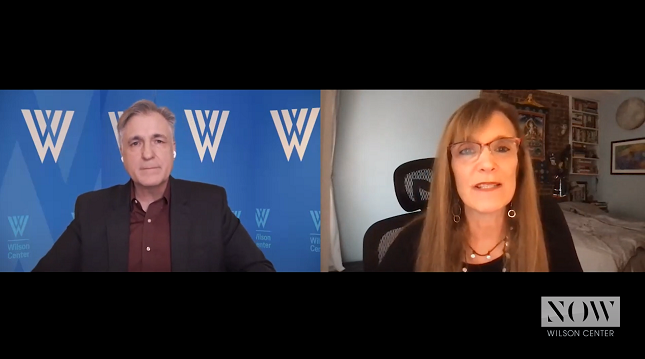
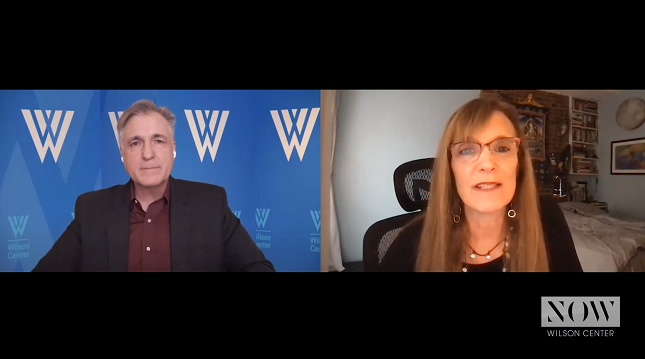
For microbes, there are no boundaries. “They jump the Darwinian divide,” says Sharon Guynup, Environmental Journalist and Wilson Center Global Fellow, in a new episode of Wilson NOW. “Because of human alteration to the planet, we [are] increasing the emergence of new zoonotic diseases,” says Guynup.
-
Imagine a Future Without Single-Use Plastics
›
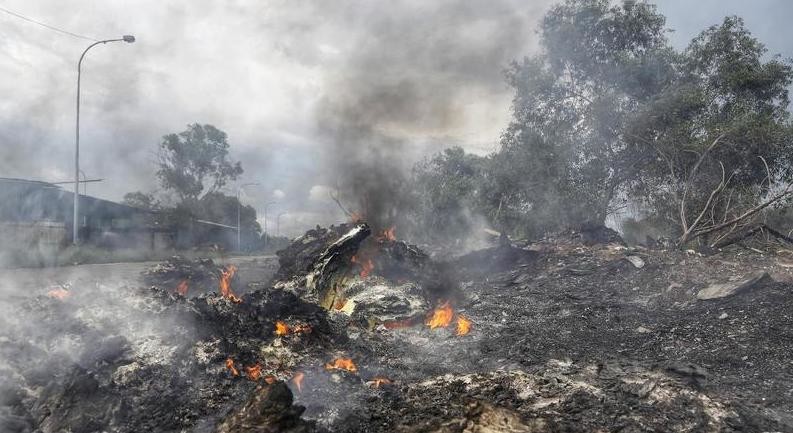
If producing plastic waste were a race, Japan would be rushing for the gold medal. Japan and the United States both rank the highest per capita for plastic packaging waste in the world. Former Prime Minister Shinzo Abe’s administration set a goal to reduce Japan’s plastic waste production by 25 percent by 2030 and recent polls show the majority of the Japanese public wants strong actions to reduce plastic waste. Nevertheless, Japan is not doing enough to stem the tide of plastic entering the ocean. If Japan and the rest of the world fail to act more boldly, global oceanic plastic waste could triple by 2040. Current commitments of governments and corporations would only reduce global plastic leakage seven percent below the business-as-usual scenario. Japan’s current waste management system prioritizes recycling and incineration, encouraging a make-take-waste linear model of plastic consumption. Japan needs a circular economy built on a culture of reduction and reuse instead of single-use plastics.
-
The Care Economy is the Backbone of the Economy
›“Pandemic recovery plans cannot simply work to bring economies back to their pre-COVID status,” said Katrina Fotovat, Senior Official in the Office of Global Women’s Issues at the U.S. Department of State. She spoke at a recent event hosted by the Wilson Center’s Maternal Health Initiative and Middle East Project in collaboration with EMD Serono, the healthcare business of Merck KGaA, Darmstadt, Germany, on recognizing women’s paid and unpaid work during COVID-19 recovery. Economic recovery plans must include the most undervalued industries and marginalized workers, especially women, she said.
-
The Challenge of Securing Access to Minerals for the Green Transition
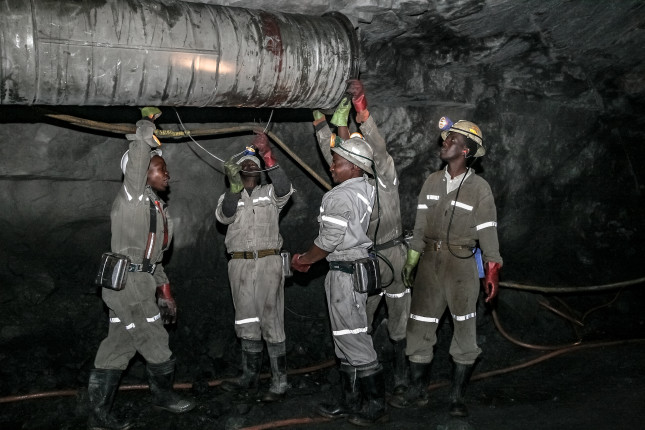
›COP26 came to a close in Glasgow this weekend, with activists and developing country governments disappointed in the global ambition as laid out in the final agreement text. On the one hand, the final document reflects commitments to cut on methane, doubling of monetary compensation for adaptation measures, and the need for cooperation between the United States and China—the two largest carbon emitters—to set out a roadmap to keep warming below 2 degrees Celsius. On the other hand, developing countries criticized rich countries for evading the language of loss and damage—compensation that recognizes that the countries most affected by climate change have contributed the least to planet-warming greenhouse gases.
-
Climate Change and Farmers-Herders Conflict in Nigeria
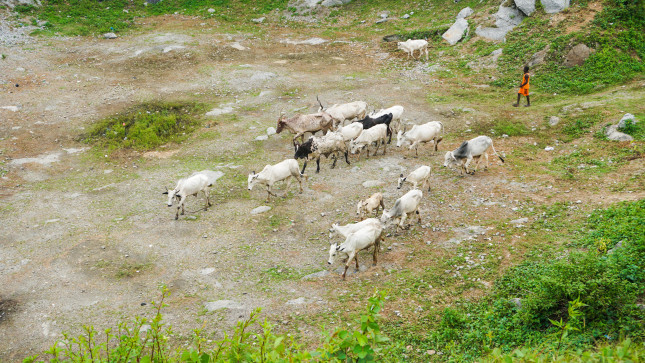
›International attention often focuses on ethnic conflict in the Niger Delta and religious conflict in Northern Nigeria, leaving farmer-herdsmen overlooked. In Nigeria, the conflict between farmers and herders has posed severe security challenges and has claimed far more lives than the Boko Haram insurgency. The conflict has threatened the country’s security, undermined national stability and unity, killed and displaced hundreds of thousands of people, and increased ethnic, regional, and religious polarization.
-
The Fight for Climate After COVID-19: A Conversation With Sherri Goodman and Author, Alice Hill
›The impacts of COVID-19 have shown policymakers that we need to invest in infrastructure and shore up existing systems to ensure that they can withstand changing conditions over time, says Alice Hill, former special assistant to President Barack Obama and current senior fellow at the Council on Foreign Resilience, in this week’s New Security Broadcast. “As we go forward, we need to have resilient systems. But we haven’t done that yet, we’re unprepared.” Hill sat down with Sherri Goodman, Senior Fellow at the Wilson Center’s Environmental Change and Security Program and former U.S. Deputy Undersecretary of Defense, to her new book, The Fight for Climate After COVID-19, and how the response to COVID-19 can inform approaches to building climate resilience. -
Women’s Work is Essential and Undervalued During the COVID-19 Pandemic
›“Nearly 70 percent of the lowest wage workers in the United States are women,” said Nicole Berner, General Counsel to the Service Employees International Union (SEIU) at a recent event on the COVID-19 pandemic’s impact on women and essential workers, hosted by the Global Institute for Women’s Leadership.
-
Today’s Top Global Scenarios Share Similarities and Noteworthy Differences, Including Beijing’s Role
›Guest Contributor // November 9, 2021 // By Steven Gale, Ana Fernandes, Krystel Montpetit & Alanna MarkleThis past March, the U.S. National Intelligence Council (NIC) offered five scenarios for global development in 2040. Two months later, the OECD released three scenarios for the future of global cooperation in 2035. Curious development professionals and others who like to peer into the future are no doubt asking: How does each organization see the future? Are the scenarios similar, different, closely aligned or wildly divergent?
 A Publication of the Stimson Center.