-
Navigating the Arctic’s 7Cs
›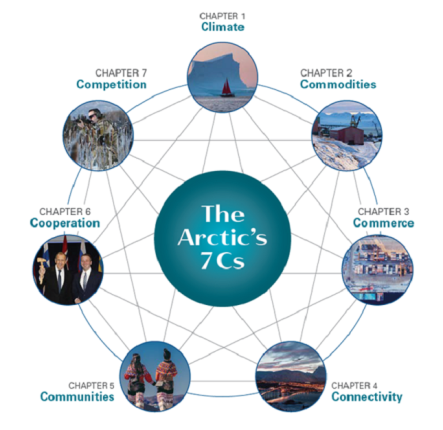
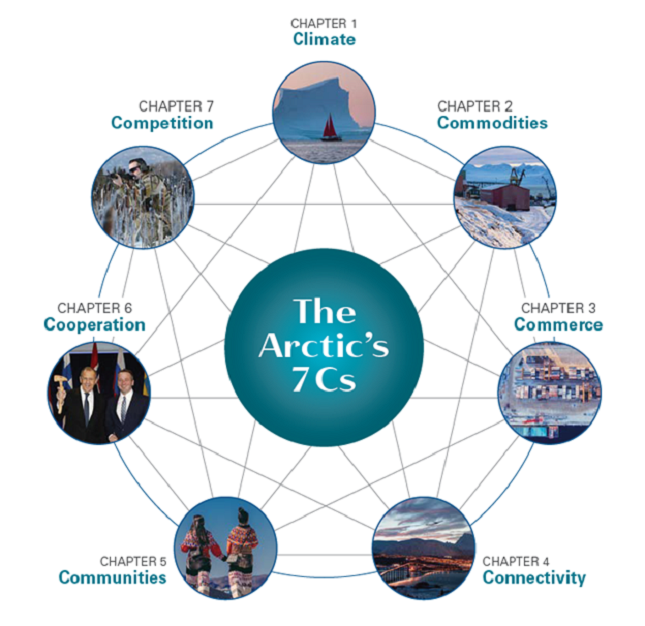
“It seems incumbent upon the Arctic policy community to identify the most pressing issues to address in the region while simultaneously, effectively and creatively communicating their complexities and interrelated nature,” writes Mike Sfraga, founding director of the Wilson Center’s Polar Institute, in a new Wilson Center monograph, Navigating the Arctic’s 7Cs. Policy priorities in the Arctic boil down to climate, commodities, commerce, connectivity, communities, cooperation, and competition, writes Sfraga. The “7Cs” provides a framework that policymakers can use when engaging in Arctic affairs.
-
Blue Jeans Contaminating Blue Oceans: The Expanding Microfiber Footprint of Our Clothes
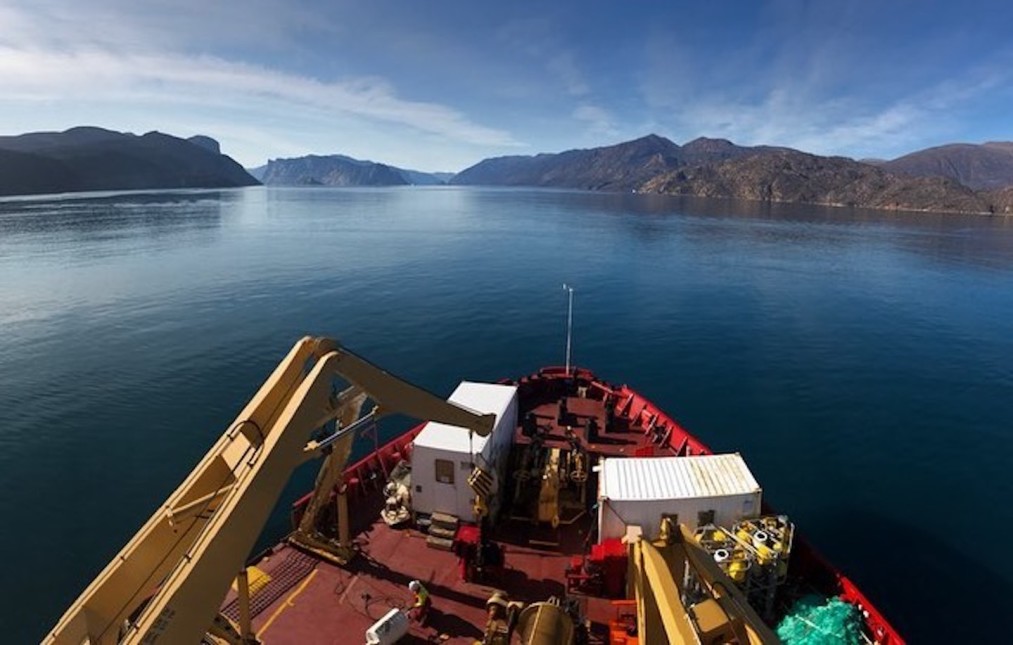
›The Arctic is believed to be a pristine environment, far removed from littered city streets and toxic industrial emissions. I study human pollution and I found it hard to believe that my fellow researchers and I would find so much litter out here. It was even harder to believe that what we uncovered closely resembled the contents of my own closet, over 3,000 kilometers (2,000 miles) away in Toronto. -
16DaysCampaign Calls to End Femicide: Research Shows Women in Perinatal Period at Risk
›
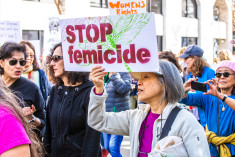
“Femicide is an important, but often unreported, cause of maternal mortality. This research documents the immediate need for universal abuse assessment of all pregnant women,” write the authors of the self-declared first study to report a definite link between abuse during pregnancy and attempted/completed femicide—the gender related killing of women. This study was published in 2002.
-
Generation 2030: The Strategic Imperative of Youth Civic and Political Engagement
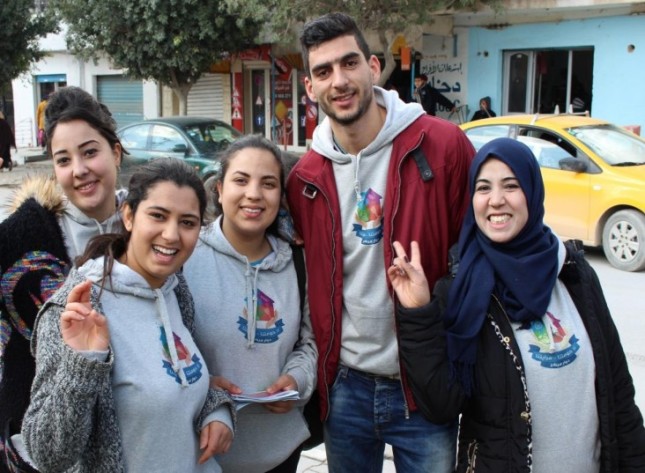
›According to a recent poll, young people are deeply concerned about the world they will inherit, want to be more engaged in meeting the development needs of their communities, and are helping to lead democracy or social justice protests in their countries. At the same time, new research shows a large decline in trust and admiration for democratic governance. According to Freedom House, for the first time in decades, authoritarian leaning regimes outnumber democratic leaning ones, with a majority of the world’s population now living in authoritarian leaning countries.
-
The Biden Administration’s Whole of Government Approach to Climate Security
›“Climate change is an increasingly destabilizing force—an accelerating destabilization force—and it’s impacting our operational environment, it’s creating new missions, and our allies and partners are going to be called to respond to these increased demands,” said Brigadier General Rebecca Sonkiss, Deputy Director for Counter Threats and International Cooperation at the Joint Staff J5, at a recent event hosted by the Wilson Center and the Center for Climate and Security. At the event, senior U.S. Government officials reflected on the significance of the Biden administration’s new climate security reports and how climate security is being prioritized and coordinated across defense and development, providing insight into the administration’s whole-of-government approach.
-
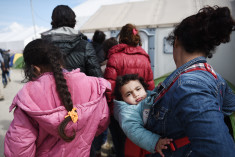
COVID-19 Pandemic Exacerbates Violence Against Refugee Women and Girls
›Currently, refugee women and girls are facing three concurrent crises: their ongoing humanitarian crisis, the health crisis of the COVID-19 pandemic, and the invisible crisis of gender-based violence (GBV). COVID-19 has severely worsened various dimensions of inequality for refugee women and girls. A 2020 report found that 73 percent of forcibly displaced women interviewed across 15 African countries reported elevated cases of domestic or intimate partner violence due to the pandemic. In addition, 51 percent reported sexual violence and 32 percent observed a rise in early and forced marriages.
-
Centering Indigenous Knowledge in Climate Response
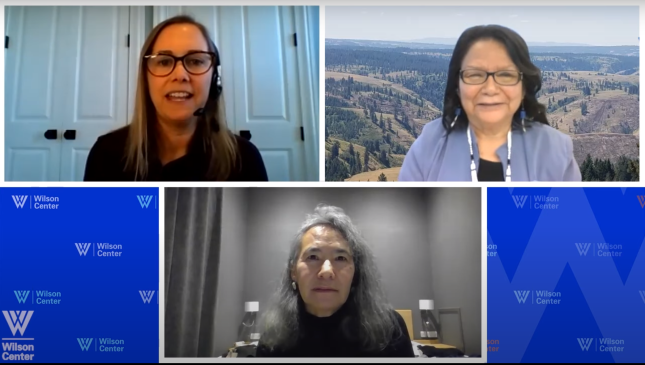
›“Tribal People have learned to take care of the land because our land took care of us,” said Kat Brigham, Chair of the Board of Trustees for the Confederated Tribes of the Umatilla Indian Reservation (CTUIR), at a recent Wilson Center event. “It’s important for tribal people to be at the table. We have a lot of knowledge, we have a lot of experience on how to protect and restore natural resources,” said Brigham. “This is part of our culture, our history, and our future.”
-
Security Implications of Asia Pacific States’ Restrictions on Internal Migration
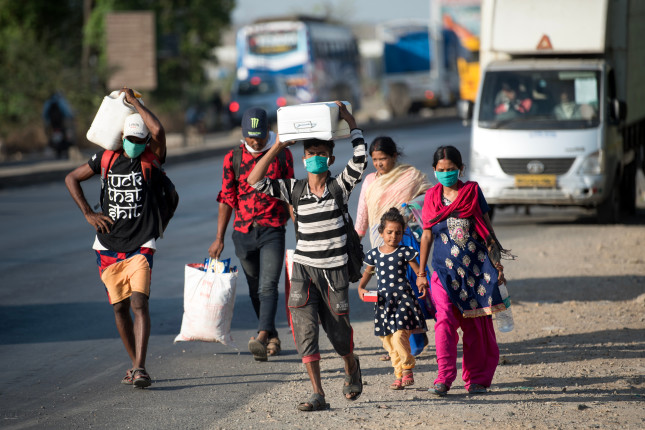
›As the COVID-19 pandemic reached all corners of the world, countries rapidly introduced a series of containment policies to stop its spread, including school and workplace closures, restrictions on gathering size, and limits to population movement. In contrast to complete or partial border closures for foreign nationals, restrictions on population movements within one’s country have received much less attention, despite the fact that most countries introduced restrictions on internal migration during the pandemic in the form of bans on inter- or intra-provincial travel, or partial or complete lockdowns. With over 300 million internal migrants in India and 261 million in China (out of an estimated 760 million internal migrants worldwide), these barriers to mobility are particularly acute in Asia. But are they effective?
 A Publication of the Stimson Center.