-
Preventing Water Conflict Through Dialogue
›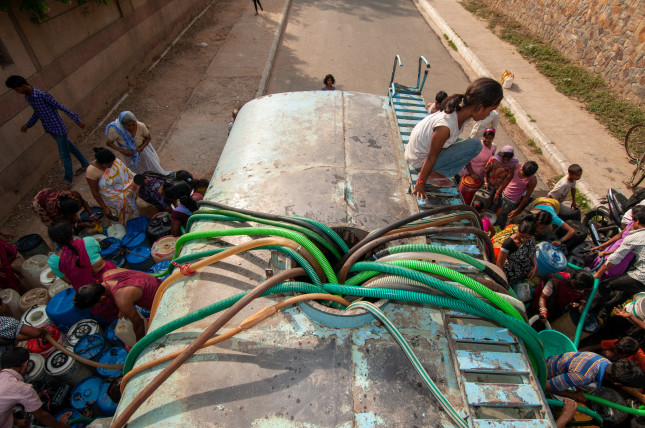
When considering the potential effects of “backdraft” on climate change responses, the question of the world’s water future may be the most salient of all—especially as we examine water supplies and freshwater ecosystem health.
-
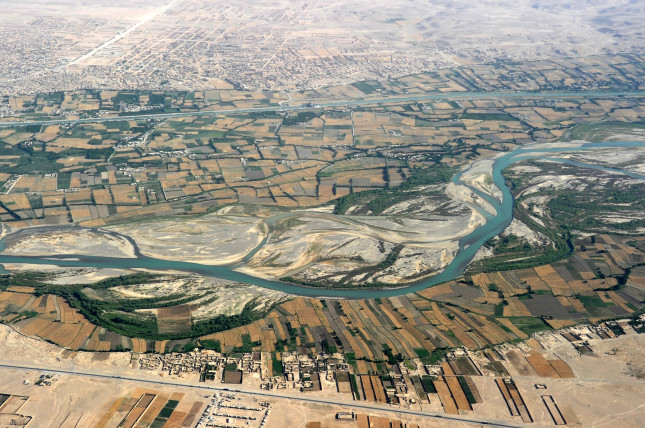
A Loss of Ecological Security: The Demise of the Sistan Basin
›
Water is one of the most critical factors for regional security and stability because it is multidimensional. It is an essential resource in ecosystem services & environmental security, yet its importance creates significant possibilities for insecurity—including corruption, environmental crimes, and other illegal activities.
-
Microplastics in Soil – Small Size Big Impact on U.S. and Chinese Agriculture
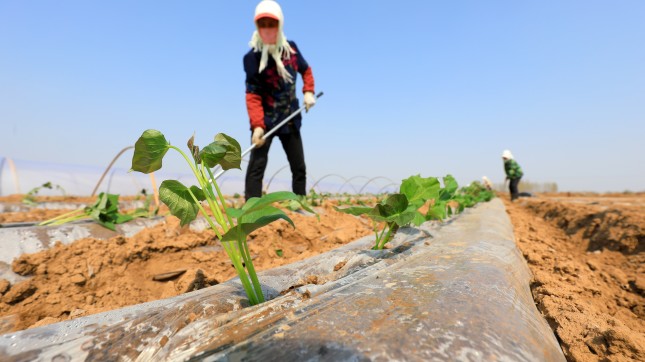
›Collecting plastic fragments was a game he played while helping his parents farm when growing up in rural Shandong Province, says Dr. Zhao Kaiguang, who is now an associate professor of Environment and Natural Resources at The Ohio State University: “I wanted to collect the most, but did not realize the serious negative implications of leaving plastic in the soil.”
-
New Global Health & Gender Policy Brief: The Global Care Economy
›Care work makes all other work possible. It is also the fastest-growing sector of work in the world—projected to add 150 million jobs by 2030. The COVID-19 pandemic has amplified the importance of care work. It has also exposed how women perform most caregiving work, which is unpaid, underpaid, and/or undervalued. Globally, women and girls contribute more than 70 percent of total global caregiving hours (paid and unpaid) and perform more than 75 percent of unpaid care work. The inordinate amount of unpaid care work women and girls perform prevents them from earning a paid income, which contributes to greater gender inequities worldwide.
-
Pay More Attention to the United Nations Universal Periodic Review
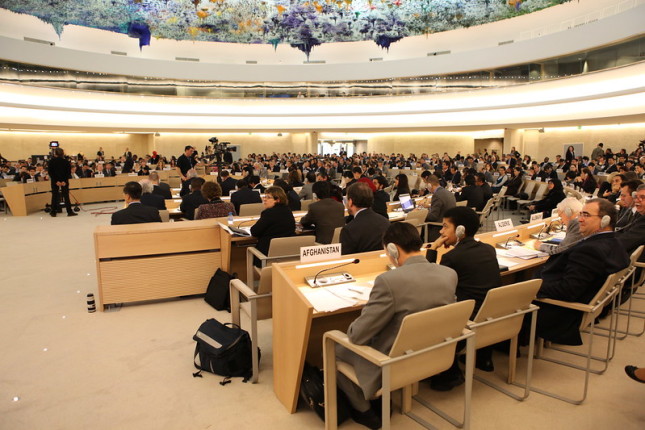
›“To attack the most vulnerable—babies, children, pregnant women, and those already suffering from illness and disease, and health workers risking their own lives to save lives—is an act of unconscionable cruelty,” says a Joint Statement from UNICEF, UNFPA, and WHO in response to the ongoing war in Ukraine. To monitor human rights abuses such as this and improve human rights conditions around the world, the United Nations (UN) General Assembly established the Universal Periodic Review (UPR) in 2006. The UPR produces purposeful engagement by all 193 UN member states participating in the periodic reviews. Despite the UPR’s potential to advance human rights—and by extension improve human security—this novel human rights mechanism receives little attention among scholars and policymakers. This lack of interest in the UPR needs to change. More research could shed light on its role in improving human rights outcomes in conflict-free countries as well as in countries experiencing conflict like in Ukraine, Syria, and Ethiopia.
-
An Earth Day Appeal for Sustainable Market Solutions
›April 22, 2022 // By Roger-Mark De SouzaGlobal insecurity driven by the conflict in Ukraine and pandemic-induced instability has come powerfully into confluence to increase threats to livelihoods across the world.
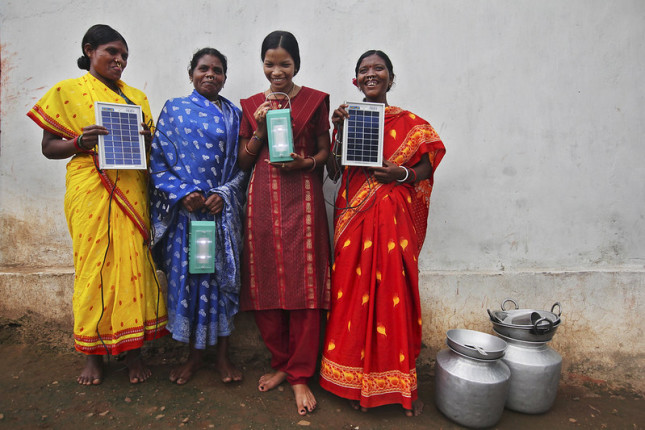
What can we do to stem the tide? This Earth Day is an opportunity to rally for action that will help us all face such challenges now and in years to come. One of the most powerful ways to do so is to solidify and expand the reach of sustainable markets. There are a number of ways that this process can begin right now.
-
Farming for Our Future: Climate-Neutral Agriculture in the United States and Beyond
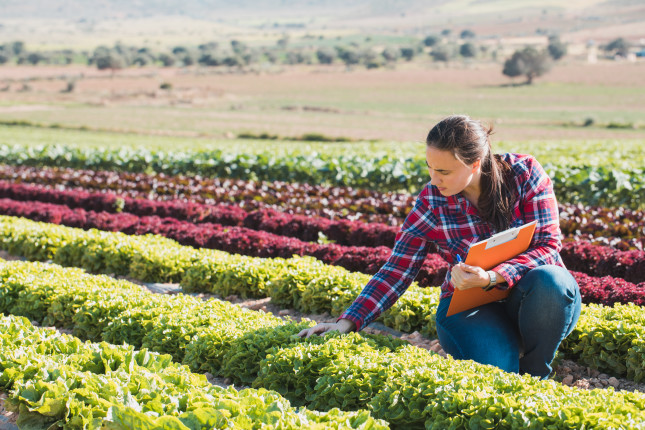
›The realities of climate change — including more frequent floods, droughts, wildfires, heat waves, and more — are becoming ever more visible in every country. Agricultural producers face immediate impacts from these weather events. A marked increased in the incidence of pests and more challenging working conditions further harm their ability to grow plants and raise animals to feed people.
-
Gender Inequality in Mexico’s Fractured Public Health System
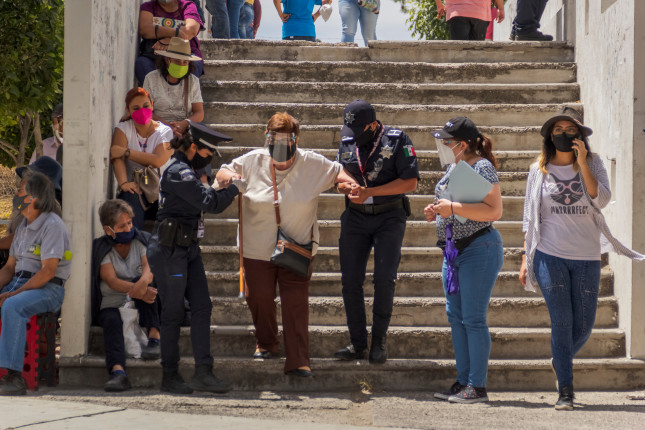
›Dot-Mom // From the Wilson Center // Guest Contributor // April 20, 2022 // By Samantha Kane JiménezIn recent years, Mexican women have experienced a significant downgrade in the quality and accessibility of public healthcare – and not due to the COVID-19 pandemic – said Irene Tello, Executive Director of Mexican impunity watchdog Impunidad Cero, at a recent event hosted by the Wilson Center’s Mexico Institute. The expert panel agreed that the greatest barriers for Mexican women seeking medical attention lie in the current government’s nearsighted health policies and mismanagement of the public health sector.
 A Publication of the Stimson Center.