-
Community and Collaboration: Maternal Mental Health in the Infant Formula Crisis
›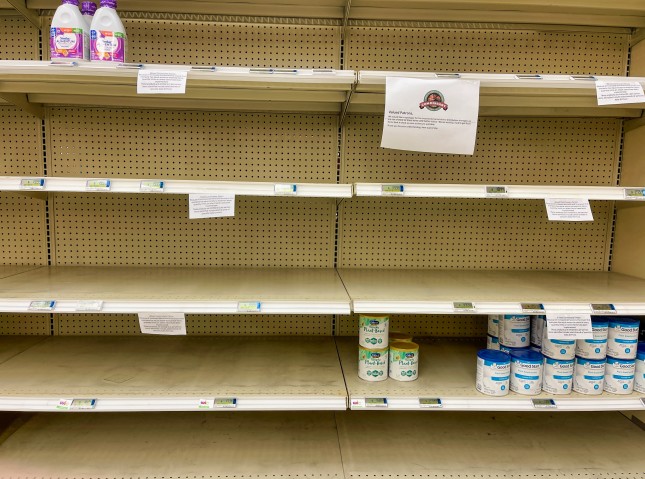
The infant formula shortage and the COVID-19 pandemic have added fuel to an already existing fire in maternal mental health in the United States.
As Adrienne Griffen, Executive Director of Maternal Mental Health Leadership Alliance pointed out at a recent event on the COVID-19 pandemic, maternal mental health, and policy solutions, “maternal mental health conditions, including anxiety, depression, and other issues, affect 1 in 5 pregnant or postpartum people [in the U.S.].”
-
Public Participation: A Counter to Climate Policy Backdraft?
›
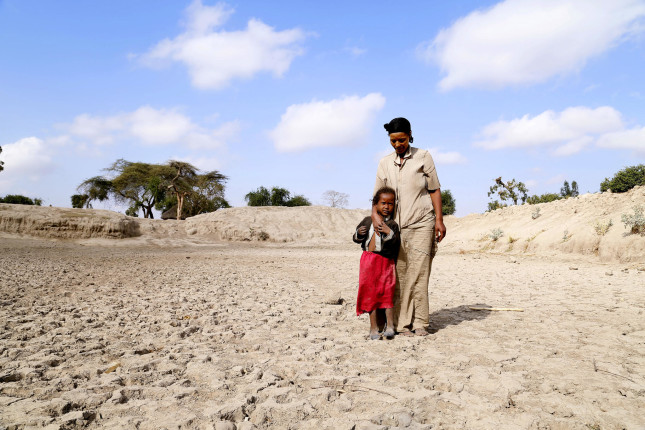
In an increasingly unpredictable world of pandemics, conflict, and disasters, climate change is often at the center of conversations about the instability of global affairs. From California wildfires to droughts across East Africa, the role of climate cannot be ignored in any analysis of global unpredictability. And citizens around the world know it. Growing global public support for governments to aggressively act on climate change has led to an increase in policy action on climate issues.
-
Plastic River: Following the Waste That’s Choking the Chao Phraya
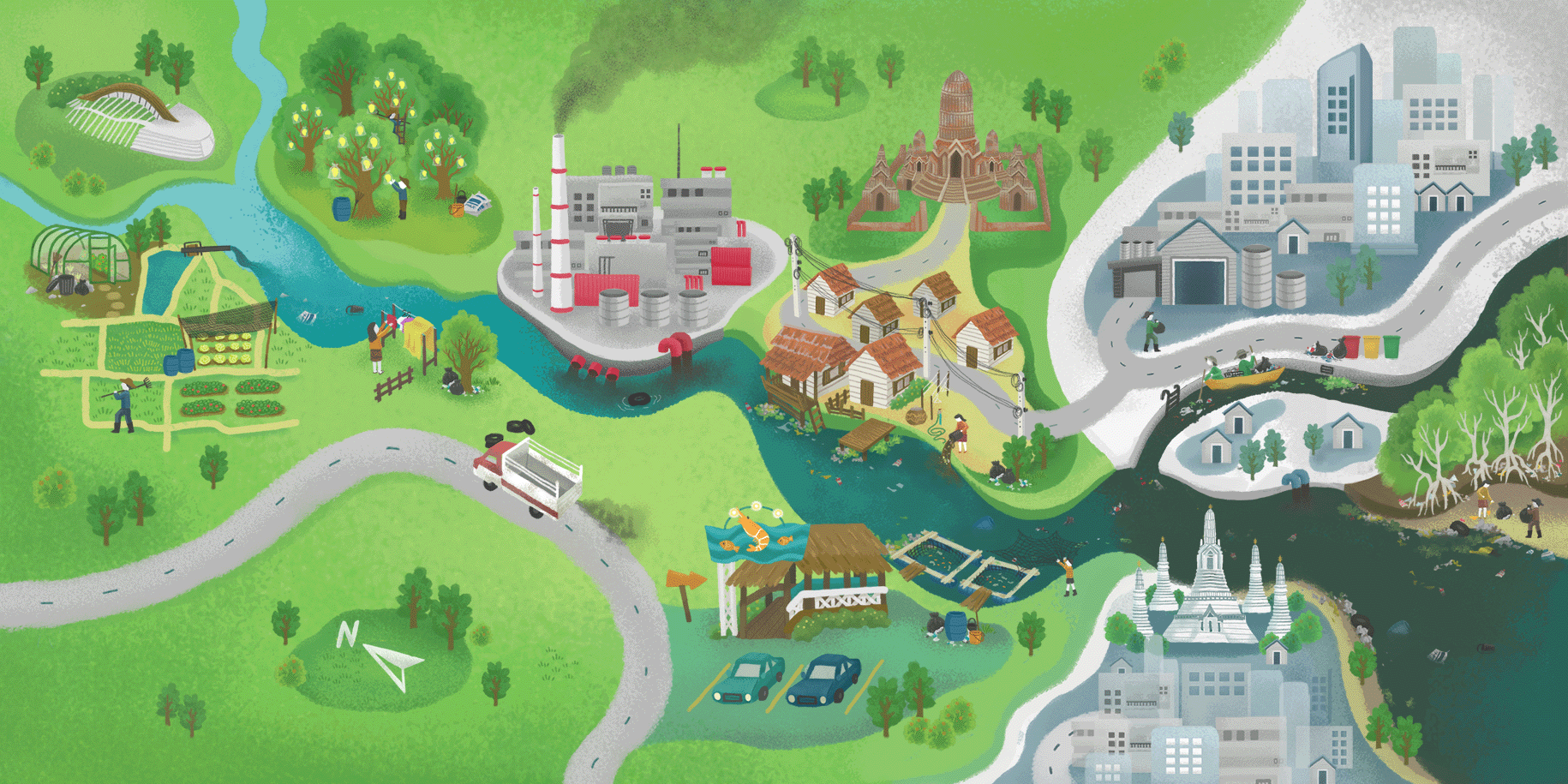
›China Environment Forum // Guest Contributor // Vulnerable Deltas // June 16, 2022 // By Wanpen Pajai & Mailee Osten-Tan (Photographer)The Chao Phraya River is born from mountain streams in northern Thailand, flowing hundreds of kilometers south to the sea. By the time the river travels through Bangkok and empties into the Gulf of Thailand, it is carrying huge quantities of plastic waste – an estimated 4,000 metric tons every year, equal to the weight of 26 blue whales. The plastic clogs the river along its course, drastically impacting communities and the waterway’s ecology. The Third Pole traveled from the Chao Phraya’s beginnings to the sea to explore what’s happening to one of Southeast Asia’s most important rivers. -
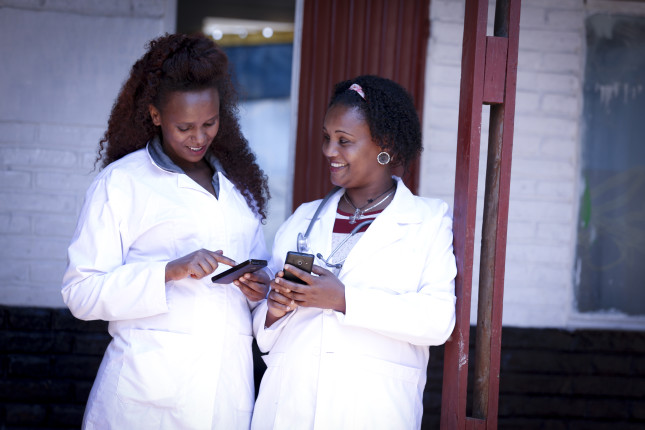
The Safe Delivery App Puts Better Maternal and Newborn Outcomes in the Palms of Health Workers’ Hands
›Reducing maternal mortality is key to promoting population health. It is also a main priority of the UN General Assembly’s Sustainable Development Goals. And the reasons for concern are clear. Globally, 800 women and 6,500 infants die during pregnancy and birth every day. More than 94 percent of these deaths occur in low-and-middle-income countries (LMICs).
-
A Climate Finance Rethink Can Help Those Most Impacted by Climate Change
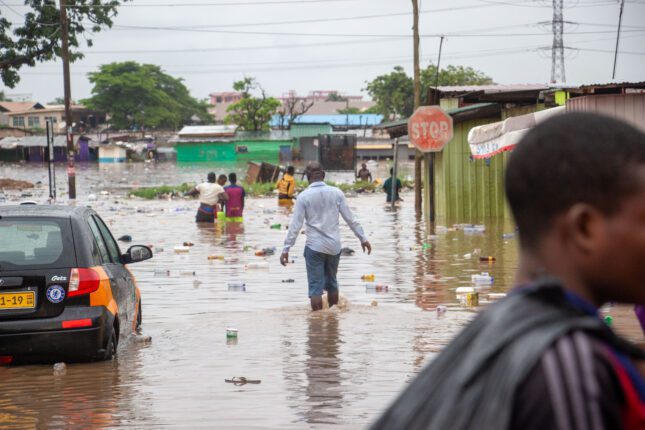
›The massive floods, heat waves, raging wildfires, and devastating droughts of 2021 brought the present reality of climate change’s catastrophic impacts on people and ecosystems home to our doorsteps.
-
Extracting Opportunity in the Renewable Energy Transition
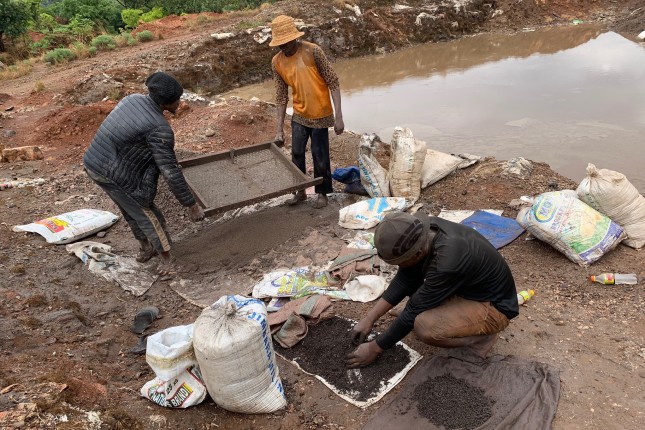
›Few people can name from memory the materials required for wind turbines, photovoltaic panel semiconductors, and electric car batteries. The list is too long, but among the more recognizable minerals used in renewable production are aluminum, lithium, cobalt, iron, copper, lead, and nickel.
-
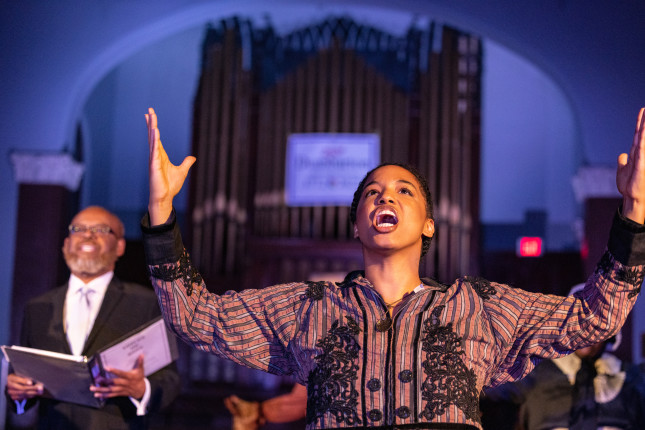
Reclaiming Community Identity through Opera: Voices of Zion
›Community resilience rests on shared experience and history. And while lectures, historic markers, and walking tours commemorate what has come before, only the arts can bring those events—and the people who made them happen—back to life. -
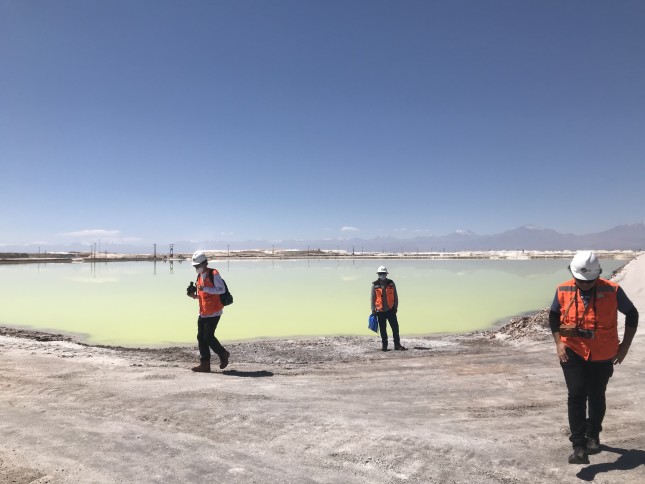
Chile’s Conundrum: Will Saving a Desert Hinder Global Energy Transition?
›Cristina Dorador has decided that science is not enough. The Chilean microbiologist’s decades of research have convinced her that the unique ecosystem of her country’s Atacama desert is threatened by ever-expanding lithium mines. She has spent years trying to convince the nation’s leaders to protect the place, with little success.
Now, she’s seizing a historic opportunity: Her election to Chile’s constitutional assembly in 2021 has given Dorador a chance to try to change not only Chile’s lithium industry, but the country’s whole approach to natural resources. But will her endeavor have broader implications for the worldwide shift to renewable energy?
 A Publication of the Stimson Center.
 Community resilience rests on shared experience and history. And while lectures, historic markers, and walking tours commemorate what has come before, only the arts can bring those events—and the people who made them happen—back to life.