-
Media and Climate Security: Mutual Miscomprehension?
›
There’s a scene near the climax of Agatha Christie’s Murder on the Orient Express when Hercule Poirot starts to plot out the possible murderers. There’s Colonel Arbuthnot, who had opportunity and motive. There’s Mr. McQueen, suspicious in his transparent attempts to misdirect the detective. There’s even the haughty, toad-faced Princess Dragomiroff. Like practically everyone on the train, she had good reason to wish the evil Ratchett dead.
-
The Forgotten Greenhouse Gas: Nitrous Oxide as an Issue for U.S. and Chinese Agriculture
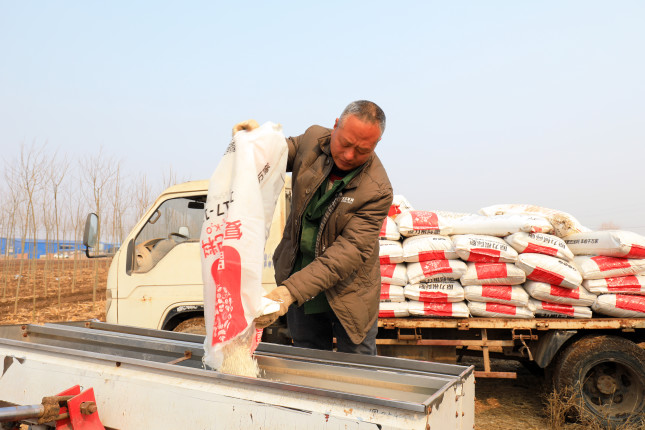
›China Environment Forum // Cool Agriculture // Guest Contributor // December 1, 2022 // By Karen ManclDuring the November COP27 climate talks in Egypt, Presidents Xi and Biden agreed to restart bilateral climate talks that would build on the clean energy and the green and climate-resilient agriculture priorities highlighted in the U.S.-China Climate Crisis Statement and the U.S.-China Glasgow Declaration. While details remain to be ironed out, the renewed dialogue could open up a new area of collaboration around greenhouse gas emissions from food production, targeting an oft-overlooked long-lived climate pollutant, nitrous oxide (N2O).
-
COP27: Growing Roles for Agriculture and Food Security
›Every year, more than two billion farmers around the world work the land day in and day out to earn a living and produce what is needed to feed and clothe an ever-growing global population that reached 8 billion in November 2022. Though they bear the brunt of climate change on the front lines, many of the world’s farmers, ranchers and fishers are unaware of the international processes that affect their livelihoods.
-
Gender-Based Violence Continues to Impede Progress Towards Gender Equality
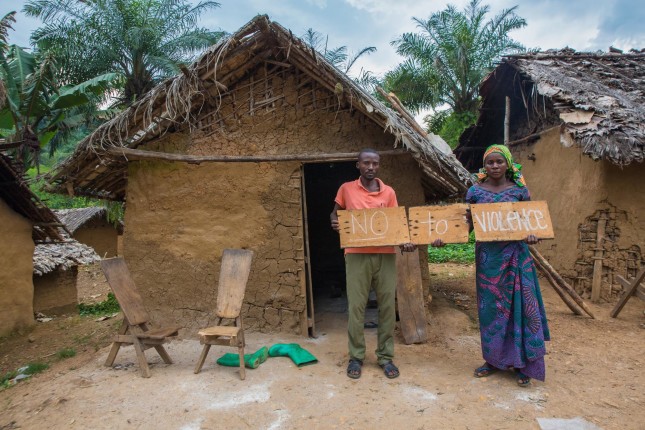
›“COVID-19 and the backlash against women’s sexual and reproductive health and rights are further diminishing the outlook for gender equality,” states a recent report on the current progress toward gender equality across all 17 Sustainable Development Goals (SDGs) from the United Nations Entity for Gender Equality and the Empowerment of Women (UN Women) and the Department of Economic and Social Affairs. Yet the new report also zeroes in on another factor that is diminish progress on gender equality: violence. The authors observe that “violence against women remains high, global health, climate and humanitarian crises have further increased risks of violence, especially for the most vulnerable women and girls, and women feel more unsafe than they did before the pandemic.”
-
COP27 in Egypt: Putting Human Rights on the Climate Agenda
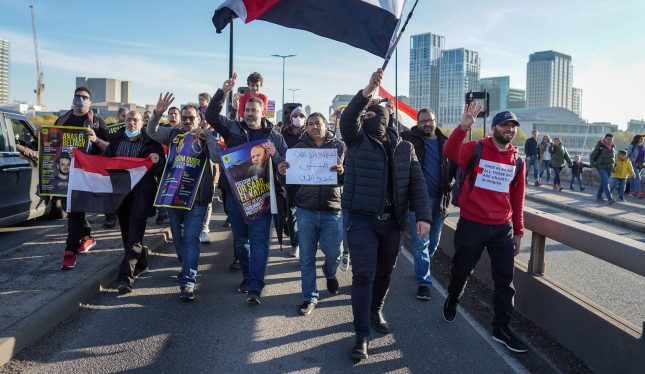
›Cairo hoped that COP27 would focus on its stated agenda: climate change adaptation. Yet it was human rights concerns—such as jailed pro-democracy activist Alaa Abdel Fattah’s hunger strike and rumors of restricted internet access to human rights platforms—that often stole headlines from climate policy or funding pledges. The persistence of human rights coverage demonstrated that Egypt and many other governments fail to recognize that strong governance, human rights protections, and climate change adaptation are mutually reinforcing and have overlapping policy actions.
-
Answering the Amazon’s Call: Can the Private Sector Mobilize for its Protection?
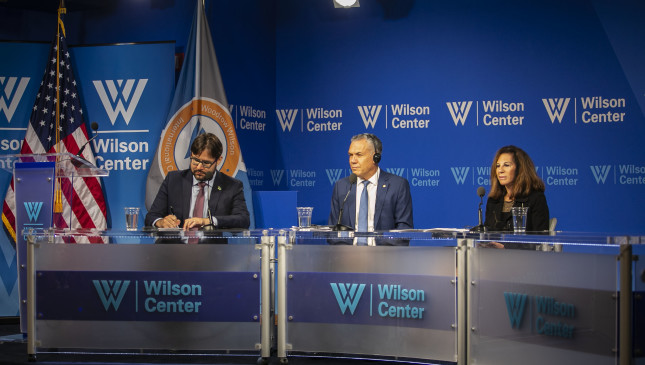
›Luiz Inácio Lula da Silva’s victory in Brazil’s presidential election on October 30, 2022—and his appearance at the COP27 summit on November 16—have put protecting the Amazon basin back on the agenda. Speaking at a Wilson Center event on November 4, Iván Duque Marquez, Former President of the Republic of Colombia and a Distinguished Fellow at the Center, highlighted why it was vital to counter the threat to this magnificent biome: “The Amazon is the most biodiverse area in the planet. The Amazon River discharges in one hour the same amount of fresh water that is consumed in a year by 7000 million people; and, at the same time, the Amazon in terms of size is twice the size of the EU and is larger than the United States without Alaska.”
-
One Earth, one security space: from the 1972 Stockholm Conference to Stockholm+50 and beyond
›The 1972 United Nations Conference on the Human Environment marked a watershed in world environmental politics. Gathered in Stockholm, Sweden, the international community collectively recognized that the technologies and economic models that enable modern development were also driving unsustainable environmental degradation, compromising the vital natural systems on which human well-being depends.
-
The Cost of Going Solo in Solar
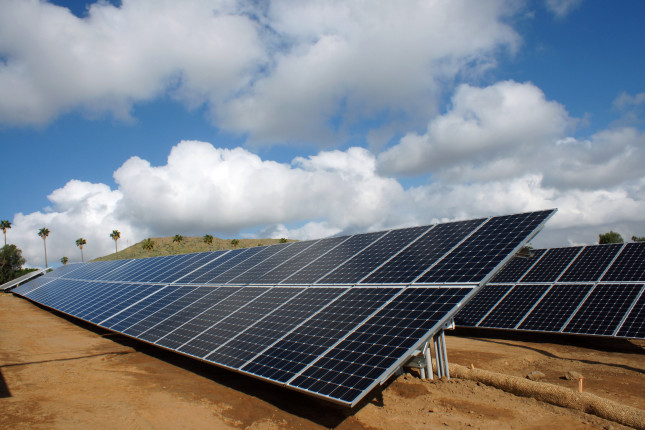
›Three decades. That is how much time is left to decarbonize the world’s energy systems to limit global warming to 1.5°C, according to the latest Intergovernmental Panel on Climate Change (IPCC) report. Achieving this feat requires renewable energy systems be deployed at an unprecedented speed and scale. While daunting, however, the good news is that this transformation may not cost as much as many expected just a decade ago, thanks to rapid cost declines in renewable energy technologies.
 A Publication of the Stimson Center.