-
Top 5 Posts of November 2022
›
As the COP27 climate talks in Sharm El-Sheikh, Egypt fade from the headlines, governments are convening now at another COP in Montreal, Canada: The 15th Conference of the Parties (COP15) to the UN Convention on Biological Diversity. In the most-read post for November, Jesse Rodenbiker describes how China’s active leadership as COP15 president is crucial to achieving the meeting’s central aim: The adoption of a new set of global biodiversity targets. Yet China’s role in shepherding this international forum is not without complications. Rodenbiker observes that the country’s extensive protected area program—which could influence the nature of global conservation efforts—includes controversial practices that have displaced communities and reinforced inequality.
-
Environmentalism for Sovereignty’s Sake
›
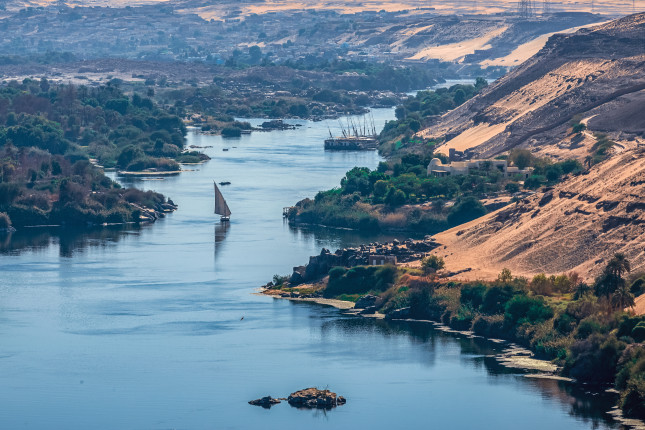
Egypt’s Gebel Elba National Park is, by all accounts, a spectacular place. But it better be to justify the fuss it takes to visit. First you have to apply for a permit. If that’s approved (and almost none have been in recent years), you need to travel with an approved tour operator. Even then, you must be accompanied by police at all times.
-
Buen Vivir in Ecuador: An Alternative Development Movement for Social and Ecological Justice
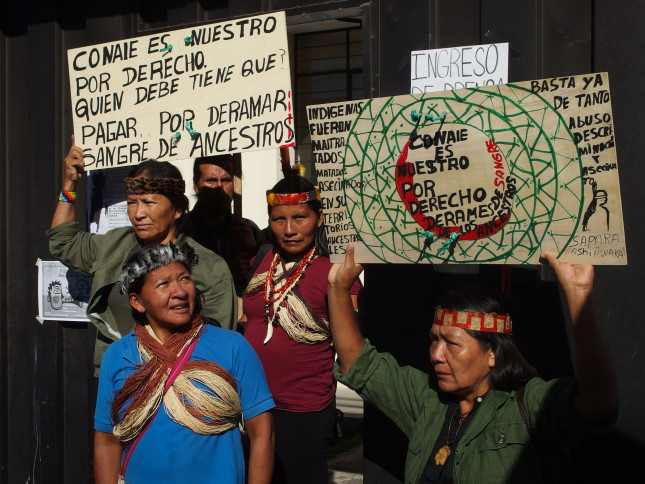
›China Environment Forum // Guest Contributor // Vulnerable Deltas // December 8, 2022 // By Yiran NingEarlier in 2022, Ecuador’s capital was left “virtually paralyzed” after some 14,000 people, mainly Indigenous Ecuadorians, participated in 17 days of sometimes violent nationwide protests. The actions forced the Lasso government to the negotiating table for a 90-day dialogue with Indigenous leaders. By early September, the parties signed a temporary moratorium on the development of oil blocks and the allocation of new mining contracts. -
Klamath Dam Removal: A Key Step in Freshwater Restoration and Protection Goals
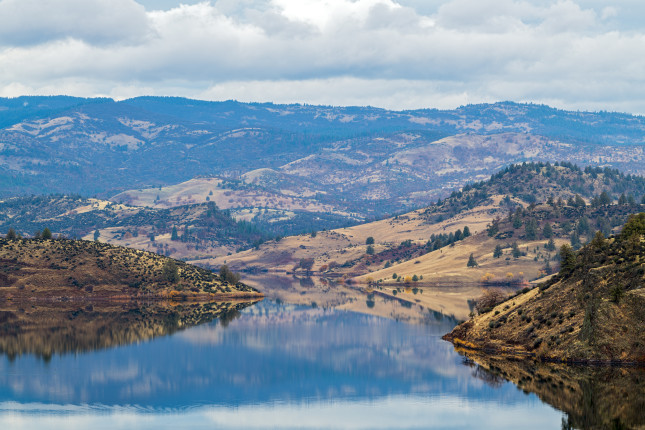
›The Klamath River Dam removal, slated for early 2024, is a significant milestone in the journey towards bringing back healthy rivers in the United States. This action will restore nearly 300 miles of river habitat in the Klamath and its tributaries across Southern Oregon and Northern California, allowing salmon, a critical source of economic and nutritional value for the local communities, to return. As the world’s largest dam removal and river restoration project in history, this project will have lasting impacts on the health of this river and represents an opportunity for building momentum to continue global river protection and restoration.
-
Global Population Growth is an Opportunity to Invest in People
›Just in the last minute, 169 more people were born on planet Earth, and everyday more than a quarter of a million are added to that total. John Milewski, Moderator of Wilson Center NOW, laid out these astonishing facts at the beginning of a Wilson Center NOW conversation on the implications of global population growth with Wilson Center Fellow Jennifer Sciubba on November 14— the eve of the historic day when the number of people on the planet officially surpassed 8 billion.
-
Water at COP27: Hydrating Climate Policy Negotiations in the Desert
›Is water important in climate policy? It seems obvious. Water has a well-established link as the medium of most negative climate impacts. Yet when it comes to addressing the climate crisis, the answer depends very much on who you ask.
-
Climate Change and Ecological Security
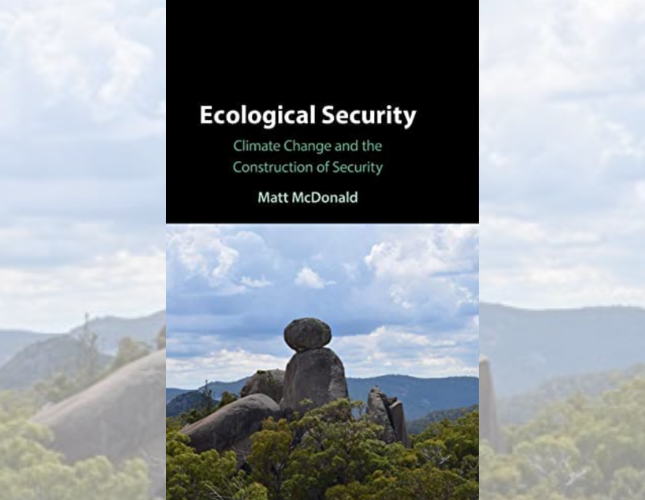
›As climate change is increasingly recognized as a security issue, a parallel understanding is also developing. Traditional categories and approaches may not be the optimal way to address the threats posed by climate impacts.
The nation states and international institutions at the center of security discussions now are shifting their approach. For instance, the U.S. has affirmed and moved to institutionalize its commitment to address the national security implications of climate change under the Biden Administration. In doing so, it is joining an increasing number of other nation-states (the UK, France, Sweden, Germany and New Zealand) that have also developed institutional arrangements and plans for their national response to climate insecurity.
-
What Can California Teach the Federal Government on Air Pollution? A Conversation With Richard Corey
›In August 2022, California’s Air Resources Board (CARB) announced a new regulation requiring all new vehicles sold in California to be zero emission by 2035, paving the way for an emission-free future. But what exactly is CARB—and why do its decisions carry such weight? To answer those questions and more, the Wilson Center’s Environmental Change and Security Program partnered with Climate Break (with support from the Henry M. Jackson Foundation) for a joint podcast featuring CARB’s former Executive Officer, Richard Corey. The conversation ranged from the agency’s history, to what Corey has learned about how to implement effective policy, and his view of lessons for the federal government as it moves more aggressively on climate action.
 A Publication of the Stimson Center.