-
The Cost of Going Solo in Solar
›
Three decades. That is how much time is left to decarbonize the world’s energy systems to limit global warming to 1.5°C, according to the latest Intergovernmental Panel on Climate Change (IPCC) report. Achieving this feat requires renewable energy systems be deployed at an unprecedented speed and scale. While daunting, however, the good news is that this transformation may not cost as much as many expected just a decade ago, thanks to rapid cost declines in renewable energy technologies.
-
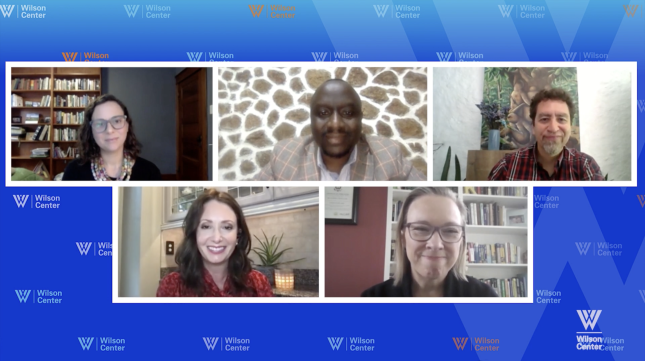
Mobile Clinics and Mental Health Care: The NGO Response to Ukraine’s Health Crises
› The war in Ukraine is not only displacing millions, straining the economy, and ravaging infrastructure. It’s also creating a mounting health crisis. In this week’s New Security Broadcast, ECSP’s Director Lauren Risi hears from Ambassador Daniel Speckhard and Dr. Mariia Dolynska about the health impacts created by the war in Ukraine and what is still needed to strengthen the health system—as well as what one NGO is doing to deliver healthcare in the embattled nation.
 -
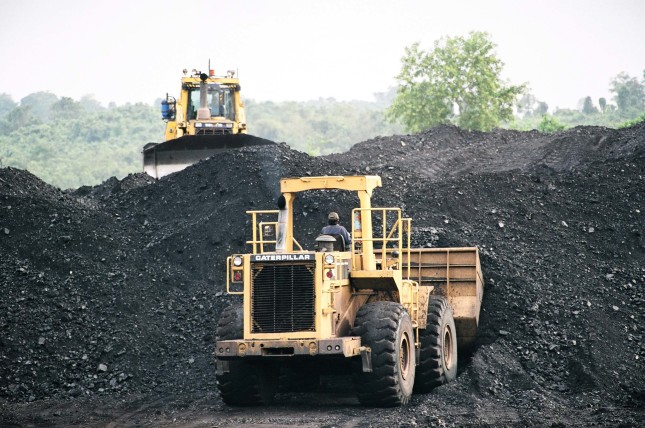
Retiring Coal? The Prospects Are Brighter Than They Appear
›As COP27 draws to a close, the conference is proving to be a disappointment for environmental advocates focused on eliminating the planet’s number one emitter: coal-fired power.
Yet only a year ago, at the UN climate talks in Glasgow, it felt different. At that time, one could be forgiven for getting excited about the prospects for phasing out coal fired power. Countries had committed to ending its use. Tantalizingly, coalitions of international partners and multilateral development institutions also introduced mechanisms that could help finance closures at scale.
-
Peafowls Halt Dam: A One-off or One Step Forward for China’s Environmental Public Interest Law?
›The slogan “lucid waters and lush mountains are invaluable assets” seemed omnipresent in China in 2015, highlighting a crucial part of Xi Jinping Thought on Ecological Civilization. Yet this powerful formulation proved vague in execution, giving local policymakers new headaches on how to strike the balance between development and conservation in making new laws. China’s judiciary faced an even stickier problem. How do you try such cases in the absence of concrete legal text and sufficient legal precedents?
-
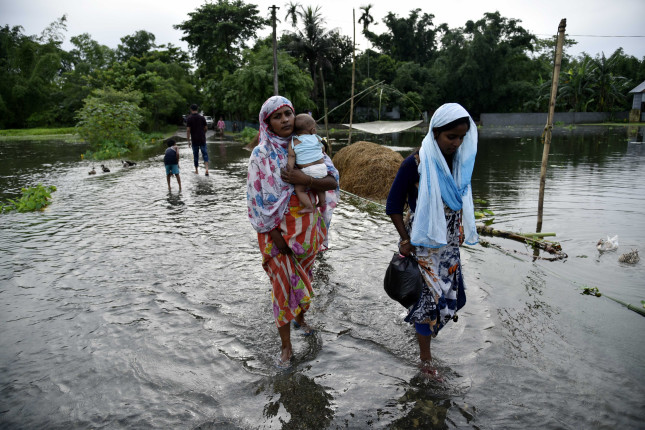
An Inextricable Link: Maternal and Newborn Health and Climate Change
›“The effects of climate change can begin in the womb,” said Sarah Barnes, the Project Director of the Maternal Health Initiative at the Wilson Center at a recent event on the impact of climate change on maternal and newborn health outcomes, hosted by the Wilson Center and UNFPA. It is a connection that “[makes] it imperative that climate change and maternal and newborn health leaders work together to tackle climate change and improve maternal and newborn health outcomes, globally.”
-
Climate Change, Population, and the Shape of the Future
›As the world’s attention has turned in November 2022 to the UN COP 27 climate change conference, another important global milestone is also drawing attention. Today, November 15, 2022, the global population is predicted to reach 8 billion. By 2050, it will be 9.7 billion.
-
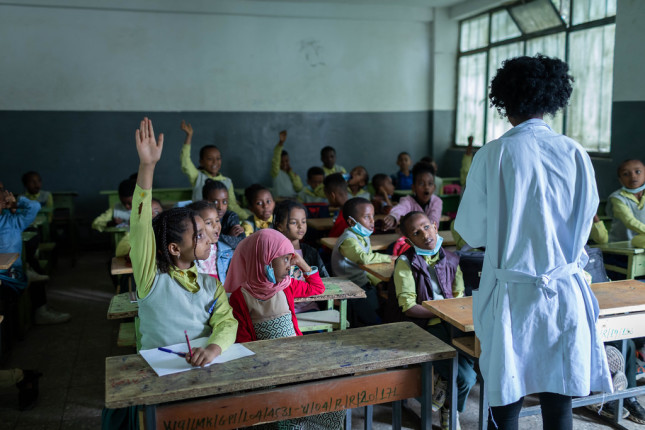
Meeting Africa’s Demographic Challenge
›Often cast into the backwaters of U.S. foreign policy, sub-Saharan Africa now looms large as the Biden Administration grapples with a wide range of global challenges. President Biden will soon host the upcoming Africa Leaders’ Summit in Washington, that acknowledges the U.S. government must do much more in Africa in order to advance U.S. interests and global prosperity.
-
Meeting the Global Energy Transition: A Conversation with Jonathan Pershing
›“Things that we used to think were 20 or 30 years into the future are in fact happening today… Climate change is noticeably changing the extent, the severity, and the frequency of these kinds of events.”
This stark assessment from Jonathan Pershing, Program Director of Environment at the William and Flora Hewlett Foundation, is at the center of a discussion of progress made and needed for international climate commitments, the role of critical minerals in the green energy transition, and climate-related migration trends with ECSP Senior Fellow Sherri Goodman and ECSP Program Associate Amanda King in this week’s episode of New Security Broadcast. Pershing brings a wealth of perspective to the conversation, drawing on his roles formally supporting Special Presidential Envoy for Climate John Kerry, and serving both as a Special Envoy for Climate Change at the U.S. Department of State and lead U.S. negotiator to the U.N. Framework Convention on Climate Change.
 A Publication of the Stimson Center.