-
Gravity and Hope in Environmental Peacebuilding: Two Young Leaders Share Their Stories
› In today’s episode of the New Security Broadcast, ECSP’s Claire Doyle partnered with Elsa Barron at the Center for Climate and Security for a conversation with two young leaders who are working to tackle climate change and build peace: Christianne Zakour and Hassan Mowlid Yasin. Christianne is a volunteer with UNEP’s Major Group for Children and Youth and Hassan is co-founder of the Somali Greenpeace Association. On the episode, Christianne and Hassan share about the climate, equity, and conflict issues that motivate their work and describe how they think we can make progress towards a livable future for all.
 -
Soil’s Key Role in Fighting Climate Change in U.S. and Chinese Agriculture: The Wisdom of Dr. Rattan Lal
›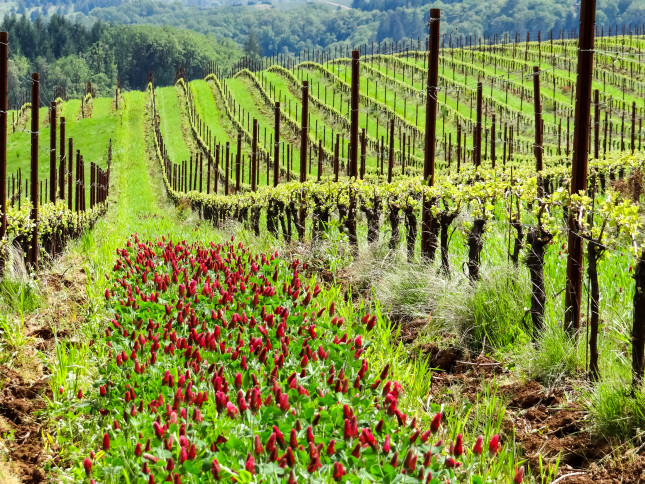
Soil degradation affects one-third of the Earth’s surface, triggering dust storms, floods, and landslides. It is also a global threat to our food supply, and diminishes the soil’s ability to sequester carbon to mitigate climate change. China has only 0.21 hectares of agricultural land per person, which is well below the global average. Worse yet, over 40 percent of that land is already degraded.
-
Sexual and Reproductive Justice: A Vehicle in Progress
›The pace of change towards advancing sexual and reproductive health and rights is piecemeal and far too slow, said Dr. Natalia Kanem, Executive Director of the United Nations Population Fund (UNFPA), at a recent panel hosted by The Columbia University Global Health Justice & Governance Program (GHJG), in partnership with UNFPA, Columbia World Projects, and the Ford Foundation. The event launched the November 2022 report, Sexual and reproductive justice as the vehicle to deliver the Nairobi Summit commitments, published by the High-Level Commission on the Nairobi Summit on ICPD25 Follow-up.
-
Climate Security and Critical Minerals Mining in Latin America: How Can Business Help?
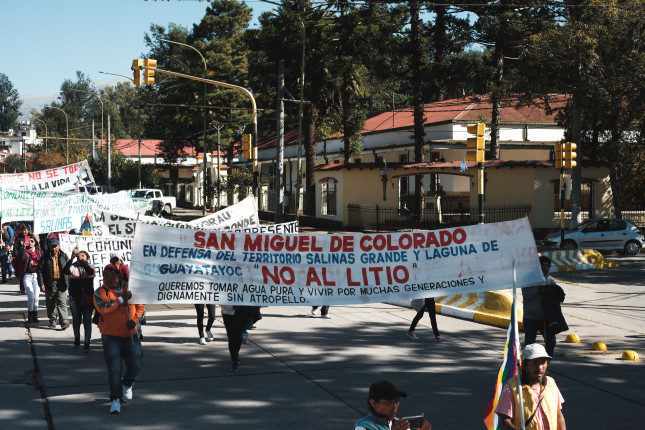
›Guest Contributor // March 7, 2023 // By Héctor Camilo Morales Muñoz, Johanna Dieffenbacher, Raquel Munayer & Beatrice MoselloThe amount of critical minerals required to develop low-carbon energy technologies is predicted to be six times higher than what is needed today. Yet meeting this demand is necessary to enable a global transition that will address climate change and comply with agreements such as the European Green New Deal.
-
Can the Growing Trans-Pacific Wildlife Trade Be Stopped?
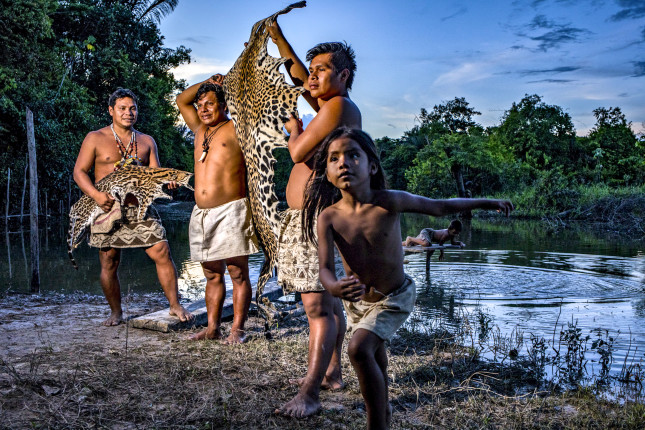
›Today’s celebration of World Wildlife Day is a perfect time to focus greater attention on the rapidly growing Latin America-to-Asia wildlife trade. It now has reached crisis proportions, with both illegal and legal shipments rising in tandem with China’s economic investment in the region.
Experts link this mushrooming trans-Pacific animal trade to large-scale development projects by Chinese companies. Over the past 15 years, two state-owned Chinese banks have loaned more than $140 billion for infrastructure, road, railway and mining projects in Latin America.
-
Milking the Dairy Industry for Lower Greenhouse Gas Emissions in China
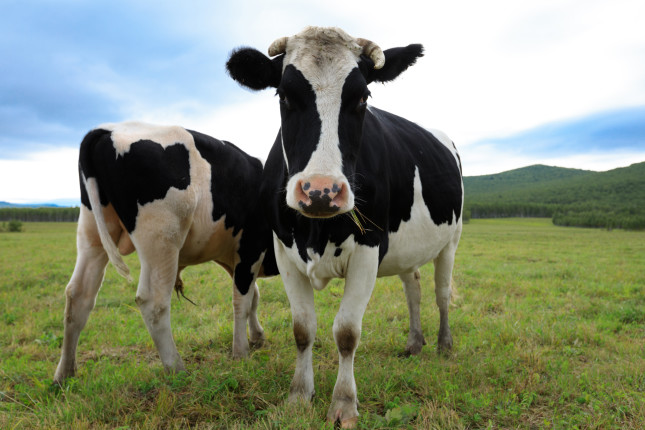
›When Kevin Chen began his agricultural research 20 years ago, most dairy farms in China were small and family-owned. People of his generation did not grow up with milk deliveries or ice cream. Today, however, these farms have been replaced by massive agri-businesses raising tens of thousands of dairy cows, and dairy is a regular part of many people’s diets in China, thanks to rising incomes and years of governmental promotion of cheese, yogurt, and milk.
-
One Year Later: An Interview with Ukrainian Member of Parliament, Kira Rudik
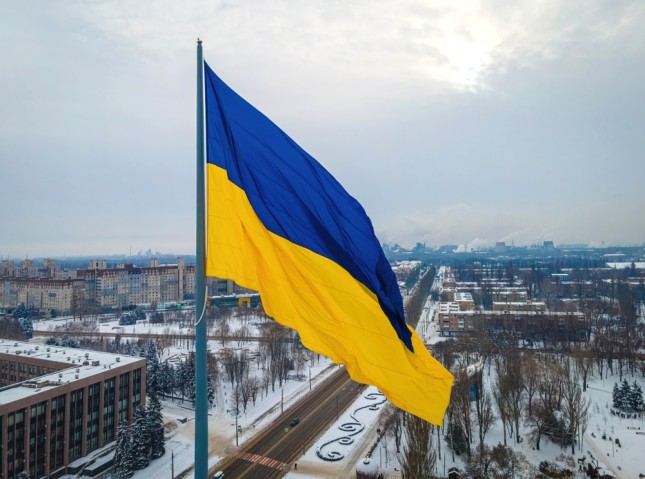
›Nearly a year ago, after Russia’s invasion of Ukraine, the Wilson Center’s Sarah B. Barnes spoke with Member of Parliament Kira Rudik about the impact of the war on Ukraine’s women and children. Barnes and Rudik spoke again a few days ago, as the first anniversary of the conflict approached. Their conversation touched on the current state of the war, including impacts on infrastructure, the ongoing refugee crisis, schooling for Ukraine’s children, and retaining Ukraine’s heritage.
-
Water and Conflict: Updates from the Russia-Ukraine War
›The first anniversary of Russia’s invasion of Ukraine is also a reminder of the long-term challenges faced by that embattled country, including one of the most important resources for human survival: water.
“For Ukrainians, water has been under fire for nearly a decade,” observed Erika Weinthal, Professor of Environmental Policy and Public Policy at Duke University, at a recent Water @ Wilson Series event: “Water and Conflict: Updates from the Russia-Ukraine War,” co-hosted by the U.S. Water Partnership.
 A Publication of the Stimson Center.