-
Climate Security in The Horn: Crafting a Broader Role for Non-State Actors in IGAD
›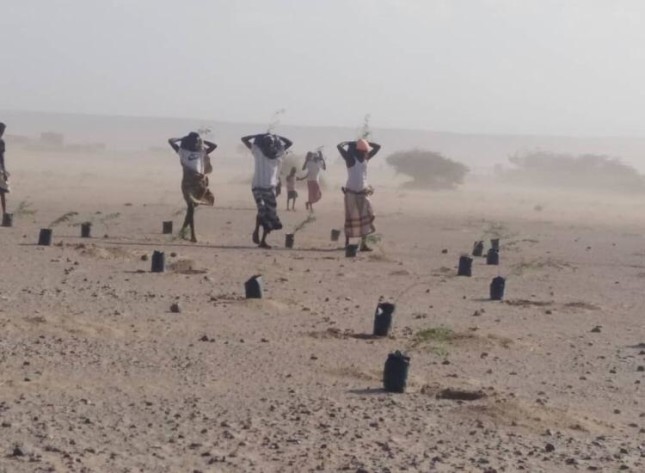
The Horn of Africa now faces an unprecedented drought, with conditions not seen in the last 40 years. The implications of this looming catastrophe reach beyond the most recent severe drought periods in the region, which occurred in 2010 and 2011 and again in 2016 and 2017.
As of November 2022, over 36 million people in the Horn were affected by drought, including 24.1 million in Ethiopia, 7.8 million in Somalia, and 4.2 million in Kenya. More than 20 million children in Djibouti, Ethiopia, Kenya, and Somalia need immediate water and food assistance. In addition, nearly 1 million pregnant and lactating women are acutely malnourished. Since mid-2021, more than 9.5 million livestock have perished in the region due to a lack of water, starvation, and disease.
-
Lancet Series Launch: Breastfeeding and the Fight Against Formula Marketing
›
“Too many children are dying in the first month of life,” said Richard Horton, Editor-in-Chief of The Lancet at a recent launch event for the 2023 Lancet Series on Breastfeeding, hosted by The Royal Society of Medicine, London. Indeed, the global numbers are staggering. Horton observed that 2.3 million children died in the first month of life in 2021—that’s more than 6,000 newborns dying every single day.
-
Climate, Poverty, Democracy: What Is at Stake in Nigeria’s 2023 Election?
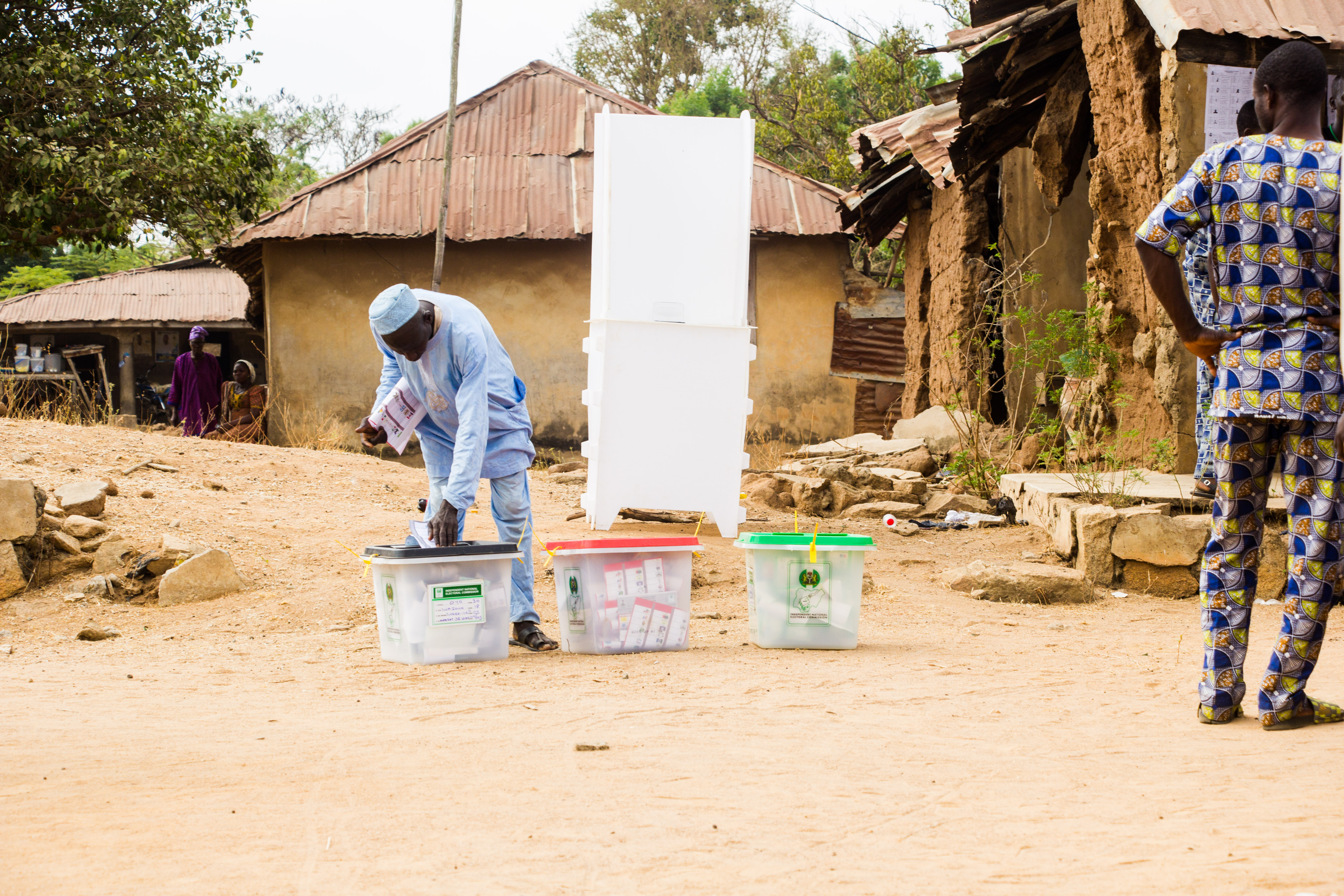
›On February 25, Nigeria will hold its presidential election. The stakes of this ballot could not be any higher—especially for the climate. Climate change is an existential and current reality in Nigeria, and the coming decade will be crucial to meet the nation’s sustainable development goals. It will take political will to make climate justice a reality, and Nigerians now have the opportunity to choose leaders who will either make or mar the action to address this threat.
-
States Show Leadership on Climate Action
›In a time of increasing urgency and regulatory restraint in U.S. climate policy, state-level climate work has been critical. States such as California, Louisiana, and Washington have taken the absence of federal policy as an opening to innovate, and responded thoughtfully and creatively to the challenge.
-
New Security Broadcast | US Climate Envoy John Kerry on the Importance of Our Oceans
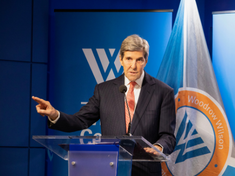
›It is fully within our power to guarantee a healthy ocean and protect it for the future, says Special Presidential Envoy for Climate John Kerry in today’s episode of the New Security Broadcast. Kerry spoke at a recent Wilson Center event hosted in partnership with the Embassy of Panama to spotlight the 8th Our Oceans Conference, scheduled to take place in March in Panama. In his remarks, Kerry emphasized the vital role the ocean plays in supporting global food security and economic prosperity as well as the imperative to take action to protect the ocean from climate change. -
Arms Are Not Enough: Solutions for the Sahel Must Consider Climate
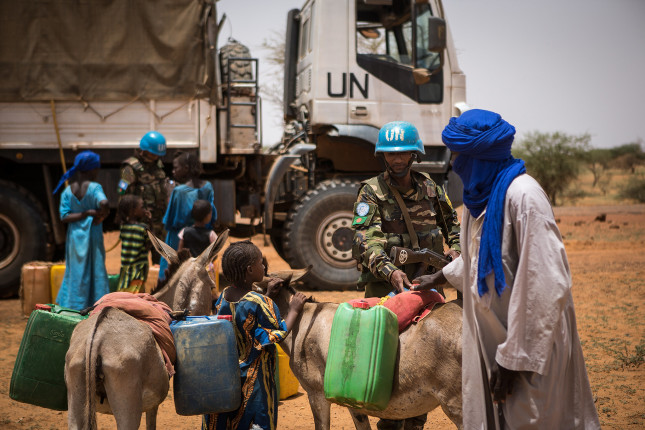
›On February 25, Nigeria will begin voting for its new president in one of the most tightly fought elections in decades. And the most likely winner has already set down a marker in his campaign. “You can’t be talking about climate change when people are taking cover from bombs,” observed Nigerian presidential hopeful Peter Obi.
-
Planning, Pleasure, and Progress: How ICFP 2022 Advanced the Family Planning Dialogue
›The sixth International Conference on Family Planning (ICFP) held in Pattaya, Thailand in November 2022 offered an important reason for celebration: tens of millions more people are using a modern method of family planning now than were doing so when the first ICFP was held in London ten years ago. How has this happened? One key reason is that governments, corporations, non-governmental organizations, and donors globally are taking steps to advance reproductive freedom through providing voluntary family planning.
-
Should Demography Weigh in on U.S. Response to Coups d’Etat?
›The research presented in this article was subsequently published in a peer-reviewed article: https://www.degruyter.com/document/doi/10.1515/spp-2023-0029/html
When a military-led or military-influenced coup d’état occur in a foreign country, does evidence from demographic research merit consideration in the U.S. foreign policy response? It’s a question that U.S. policymakers should be asking as deteriorating political conditions in West Africa come increasingly into confluence with the limited tools available either to deter or respond to illegal and extra-legal forms of political succession.
 A Publication of the Stimson Center.