-
Critical Mineral Recycling: What Does It Offer?
›
The technology that is an essential part of clean energy and the future economy relies heavily on critical minerals. Electric vehicles (EVs), computers, wind turbines, and even defense technology require large mineral inputs, raising concerns over the stability of supply chains and the ability to meet growing demand. An IEA report published in 2021 predicts that demand for critical minerals will escalate over the next two decades, with increases of “40 percent for copper and rare earth elements, 60 to 70 percent for nickel and cobalt, and almost 90 percent for lithium.”
-
8 Billion and Counting: Rethinking Rhetoric on Population and Choice
›
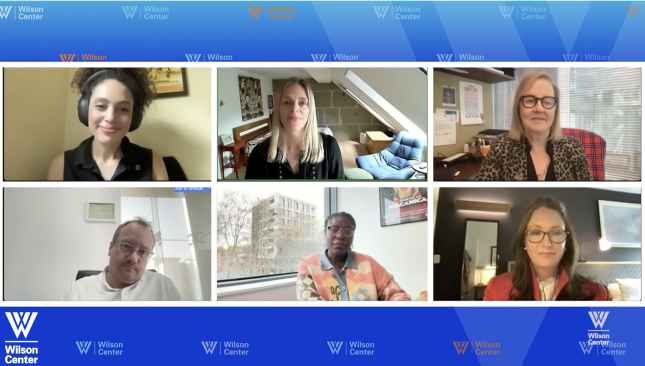
The United Nations Population Fund (UNFPA) 2023 State of the World Population (SWOP) Report offers a chance to reflect on what’s at stake in debates over global population. “The question is not whether the human population is too large or too small. The question is whether everyone can exercise their fundamental human right to choose the number and spacing of their children,” said Sarah Craven, Chief of the Washington Office of UNFPA at the virtual D.C. launch of the report at the Wilson Center on April 26, 2023.
-
Carbon and Hydrogen in Meeting Climate Goals: Framing Matters
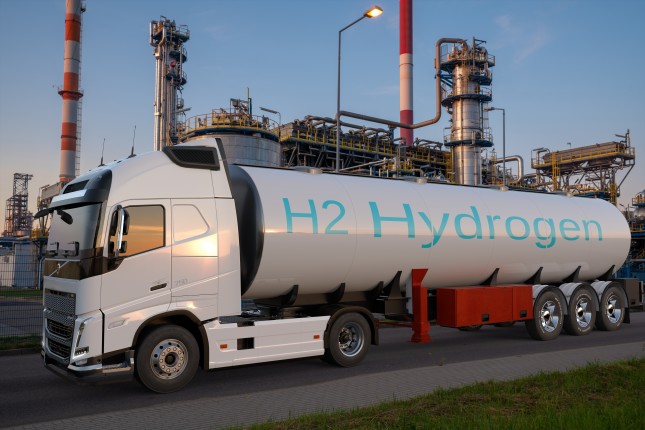
›As international cooperation to mitigate climate change gathers pace, most European nations have adopted strategies to decarbonize their economies. It is a signal that these countries recognize the need to reduce the concentration of carbon dioxide in the atmosphere in order to limit global warming to 1.5 degrees Celsius above pre-industrial levels.
-
Russia’s War in Ukraine: Green Policies in a New Energy Geopolitics
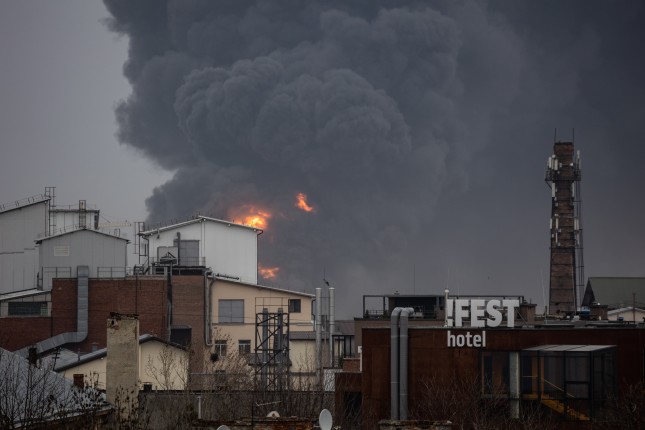
›Russia’s brutal aggression has wreaked devastation in Ukraine for more than a year. It has also forced a fundamental rethink of geopolitics. Central to that new thinking is the role of energy security and how to manage the insecurities created by the lopsided dependencies exposed by the conflict.
-
What’s Next in Climate Security Studies? Exploiting Synergies Between Practice and Research
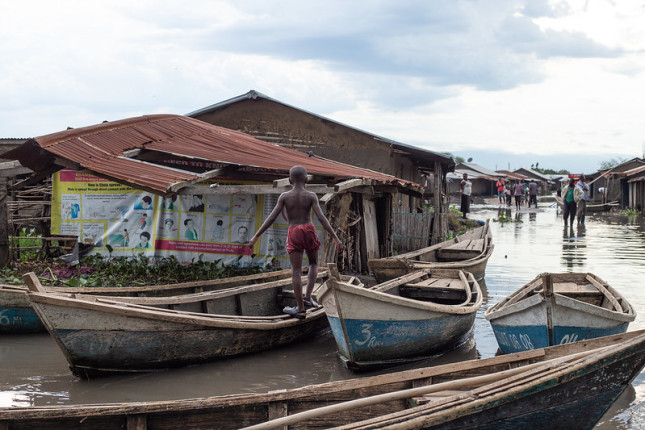
›The increase in global temperatures by over 1 degree Celsius since preindustrial times is already having broad and significant impacts. An ongoing multi-year drought in Eastern Africa, for instance, has been attributed to global warming. Hunger crises, displacement, and exacerbated conflict between pastoralist groups are some of the reported dire consequences.
-
Gender Equality and Health Equity Through Foreign Policy: A Progress Report
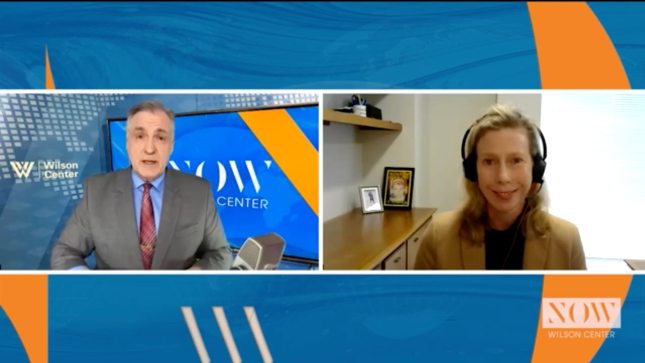
›In this edition of Wilson Center NOW, Gender Equality and Health Equity Through Foreign Policy: A Progress Report, John Milewski, Moderator of the Wilson Center NOW series, interviews Valerie Percival, Wilson Center Fellow and Associate Professor at the Norman Paterson School of International Affairs (NPSIA) at Carleton University and a Commissioner with the Lancet-SIGHT Commission on Peace, Justice, and Gender Equality for Healthy Societies. Percival and Milewski discuss the role of gender equality and health equity in achieving social and political progress, and the importance of these topics in conversations about foreign policy. Percival also explains her project at the Wilson Center, titled “Promoting Gender Equality and Health Equity through Foreign Policy: Panacea or Fool’s Game?”
-
New Security Broadcast | The Link Between Food Insecurity and Conflict: A New Report from World Food Program USA
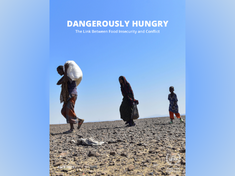
›To better understand the complex dynamics of global hunger and the urgent need for more collective action to address this humanitarian crisis, Chase Sova, Senior Director of Public Policy and Research at World Food Program USA, and his colleagues recently launched a new report, “Dangerously Hungry.” In today’s episode of New Security Broadcast, ECSP Program Coordinator and Communications Specialist, Abegail Anderson, speaks with Sova about the report’s analysis on the current state of global hunger and its devastating impacts on vulnerable populations. -
Integrated Health Security Depends on Primary Health Care—and Engaging Men
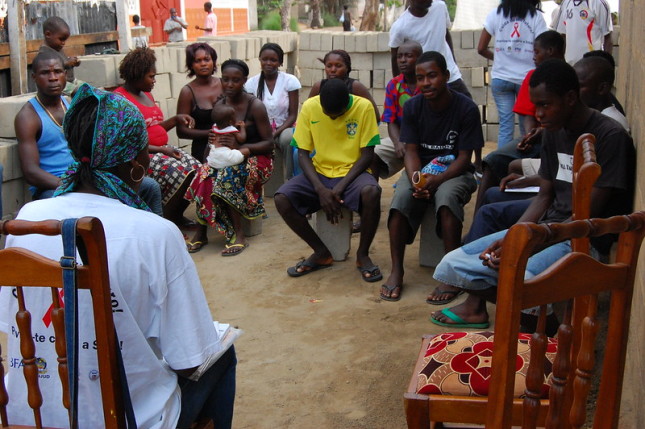
›USAID’s primary health care (PHC) partnership—which was announced in late 2022—brings new momentum to a long-neglected reality: Robust PHC is necessary for robust global health security (GHS). But it has taken some time to fully recognize this fact.
 A Publication of the Stimson Center.